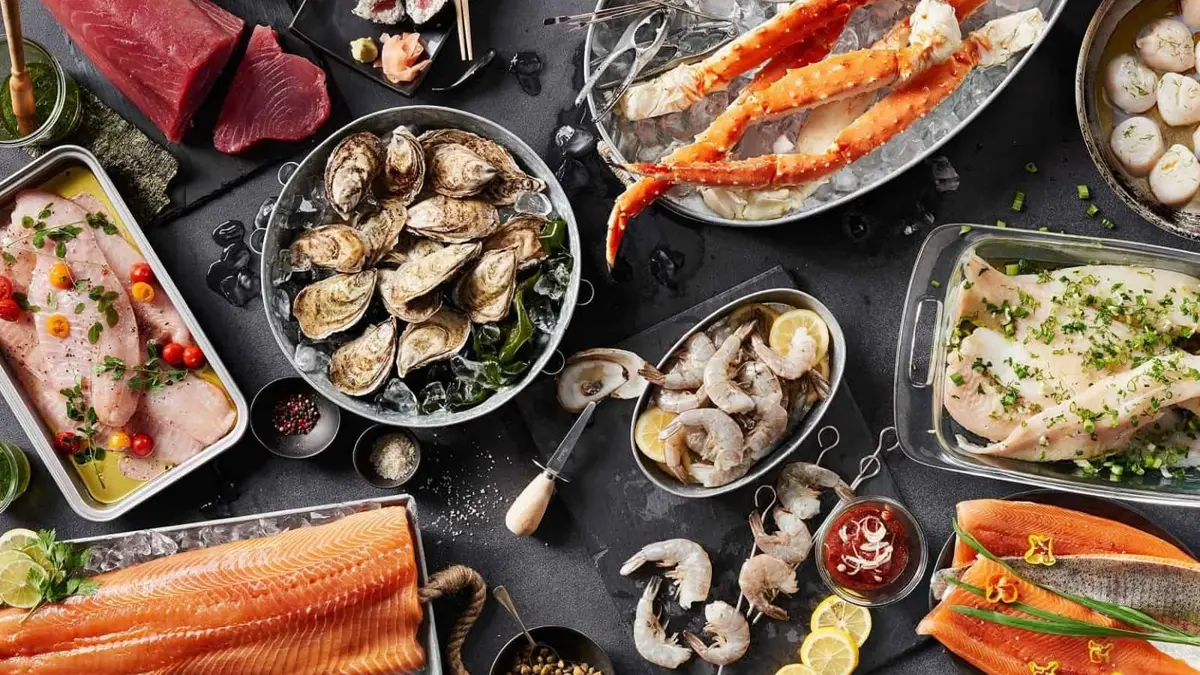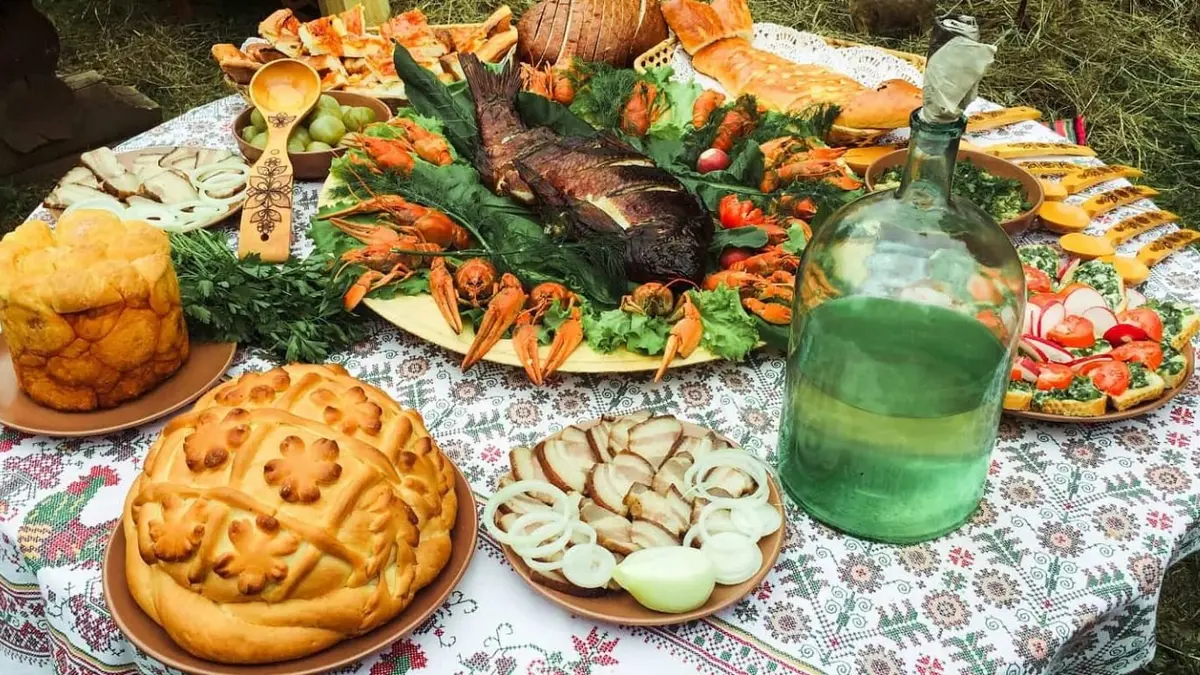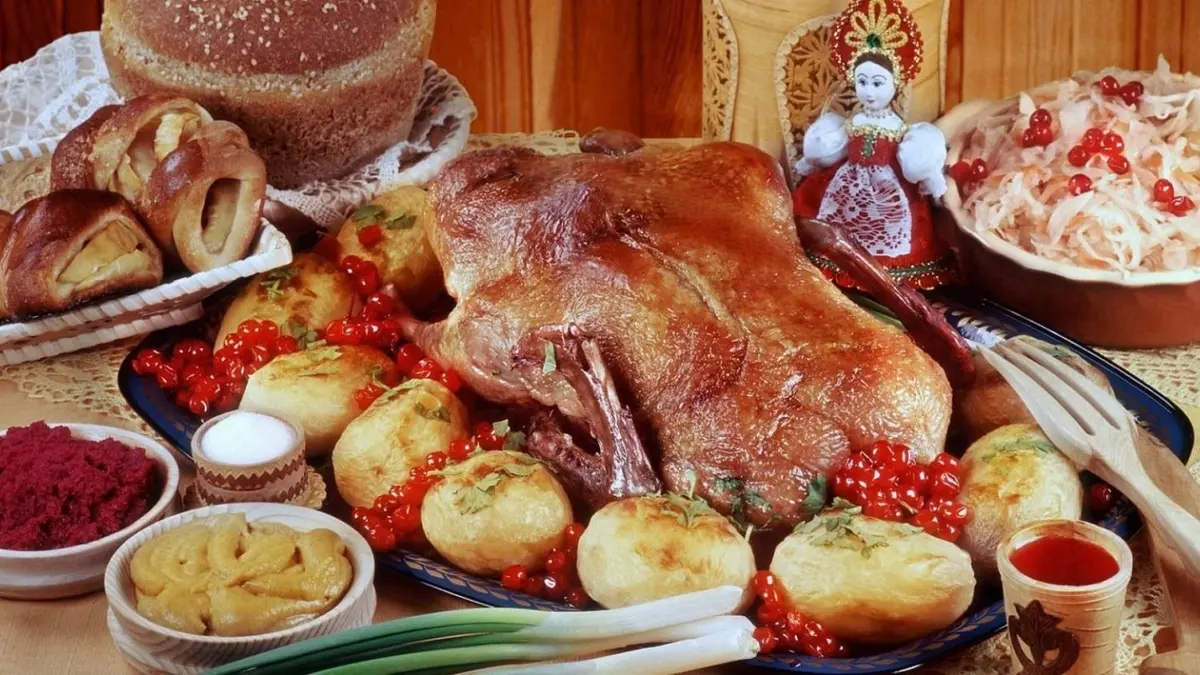
To crown our lavish journey through Russian cuisine with a golden flourish, we make an essential stop brimming with history and hospitality: The Volga Region Cuisine, a land universally celebrated as the true home of river delicacies.
The Melting Pot of the Volga Banks: Adaptation and Folklore
Over past centuries, a constellation of diverse peoples and ethnic groups coexisted and put down roots along the vast banks of the Volga River: Chuvashes, Tatars, Hill and Meadow Mari, Erzyas, and Mokshas, among others. Each of these communities faithfully safeguarded its ancient culinary traditions, which were progressively and flexibly adopted into the everyday recipe books of Russian settlers.
Certain formulas passed from one cultural sphere to another while preserving their original form and ingredients; in other cases, homemakers carefully substituted local components with more familiar staples.
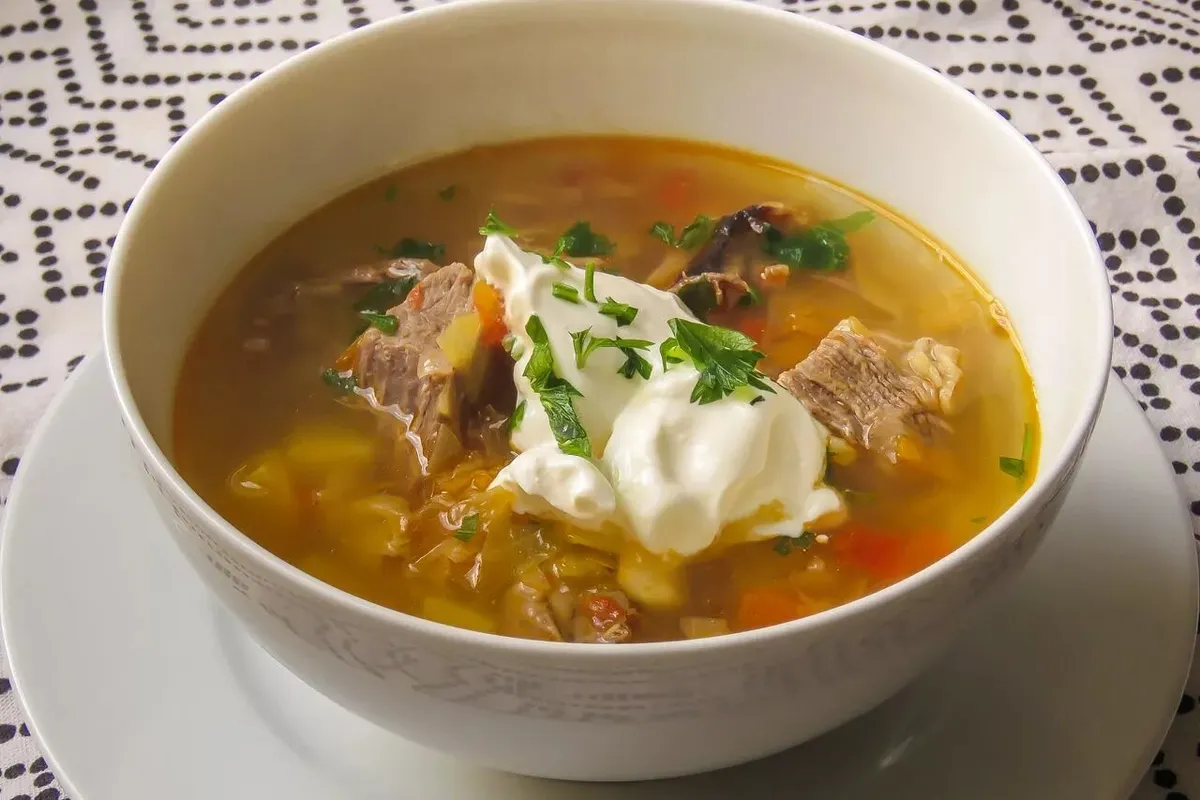
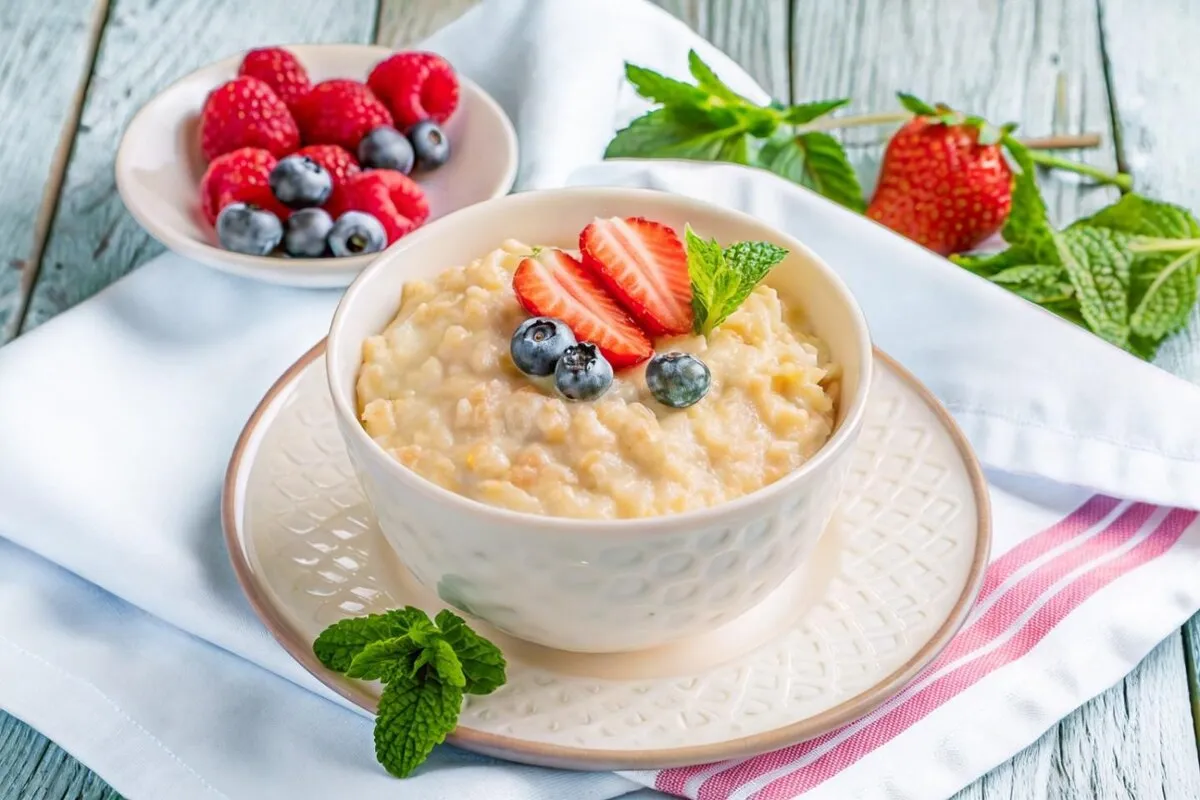
From the traditions of Central Russian cuisine, the Volga basin preserved the widespread consumption of Shchi cabbage soups, Kasha grain porridges, and rich river fish dishes boiled or baked under the gentle, fading heat of brick ovens, complemented by berries and botanicals from the neighboring taiga.
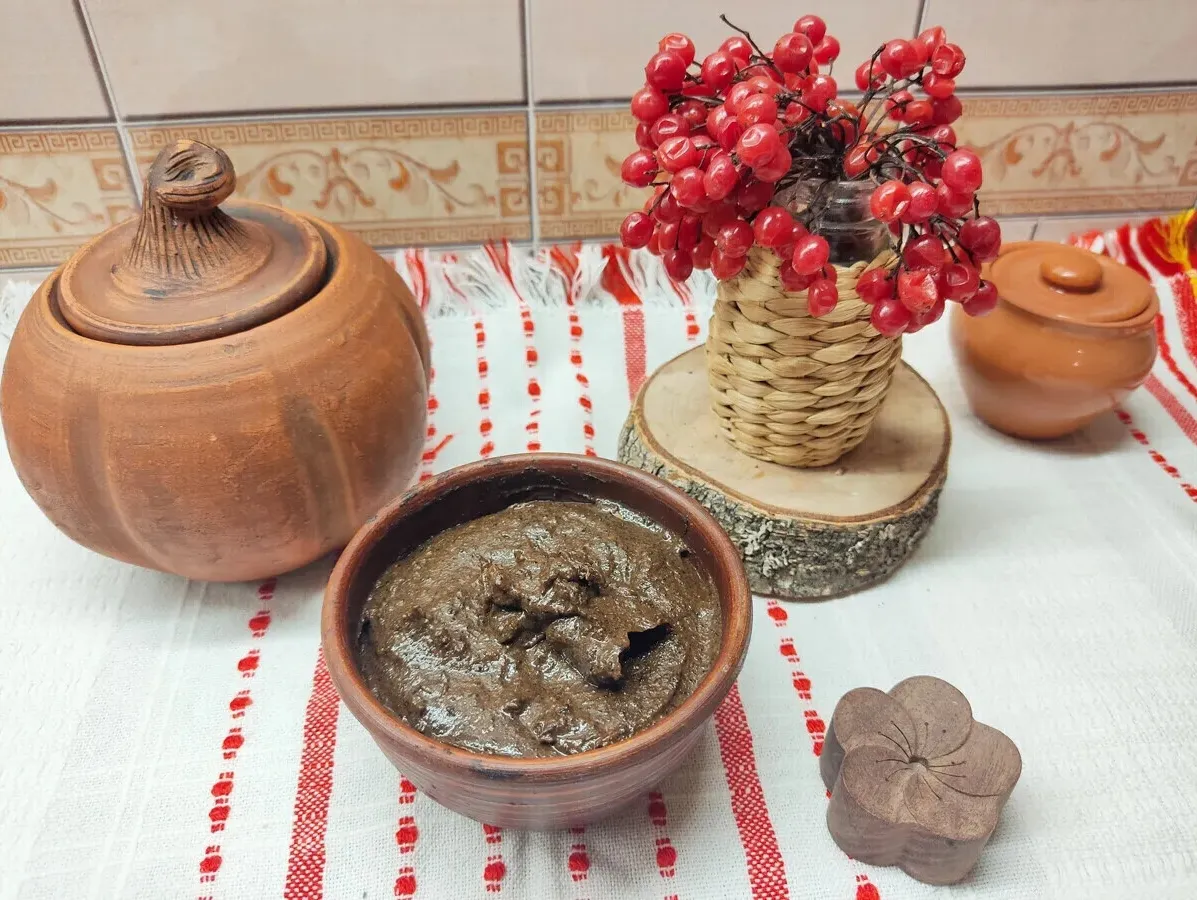
When summer arrived, kitchens processed ripe strawberries, raspberries, and wild blueberries into refreshing cold milk soups, while infusing the sweet, intense flavors of cherries and viburnum into pastry fillings and the sumptuous warm dessert known as Kulaga.
Ethnic Influences: From Sorrel Shchi to Tatar Plov
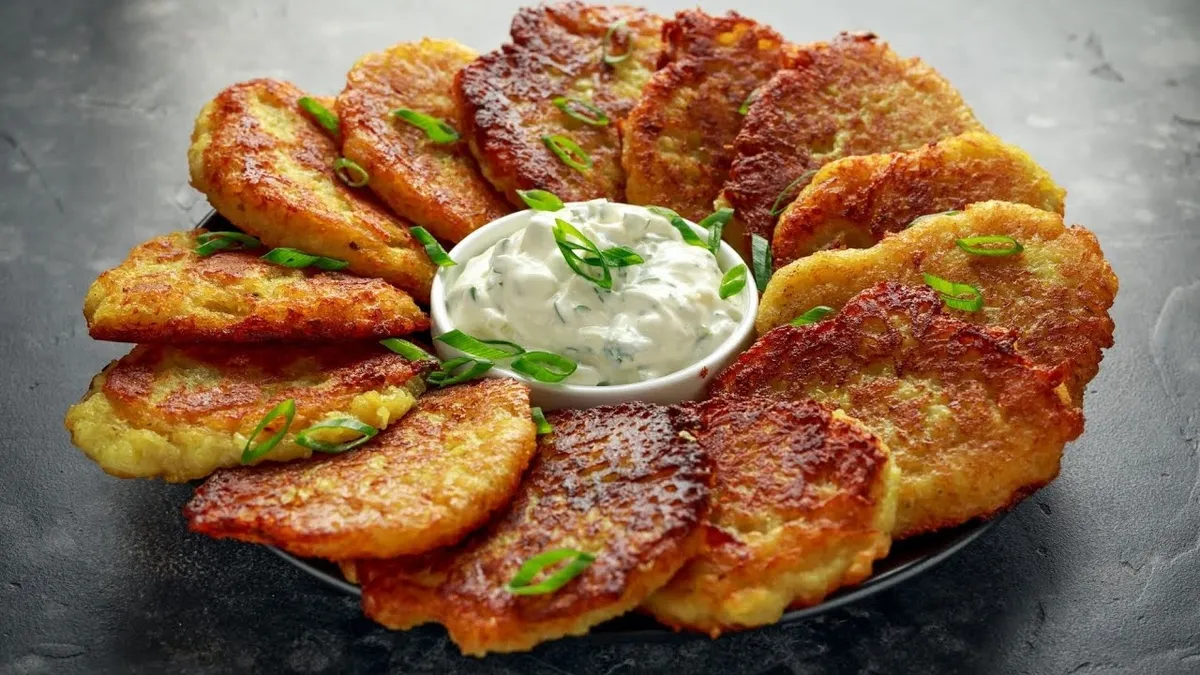
The daily diet of the Mari people revolved around hearty broths and thick porridges. In their pots of Shchi, instead of traditional cabbage, they regularly used wild sorrel, nettle shoots, and garden herbs, enriching the base with cleaned river fish, floury potatoes, viburnum, or forest mushrooms; from potatoes, the Mari also fried crispy, high-energy potato pancakes remarkably similar to the famous Belarusian Draniki.
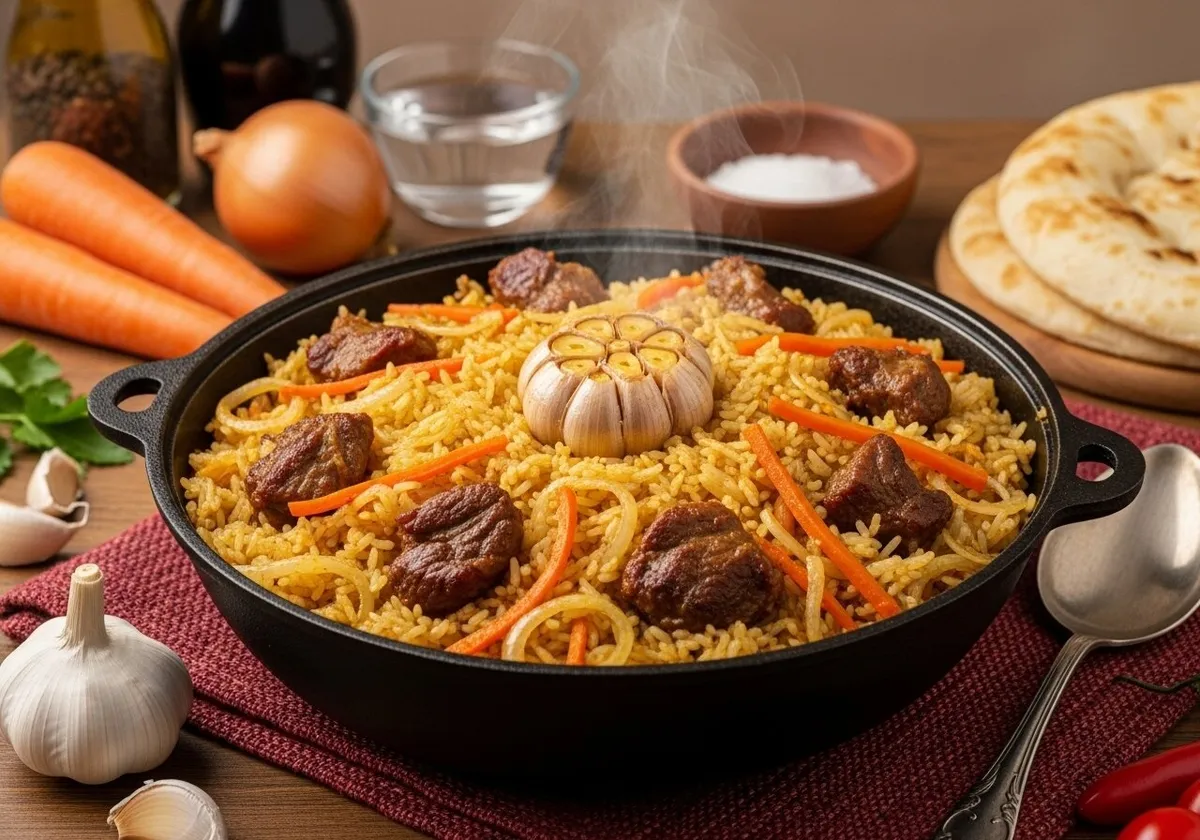
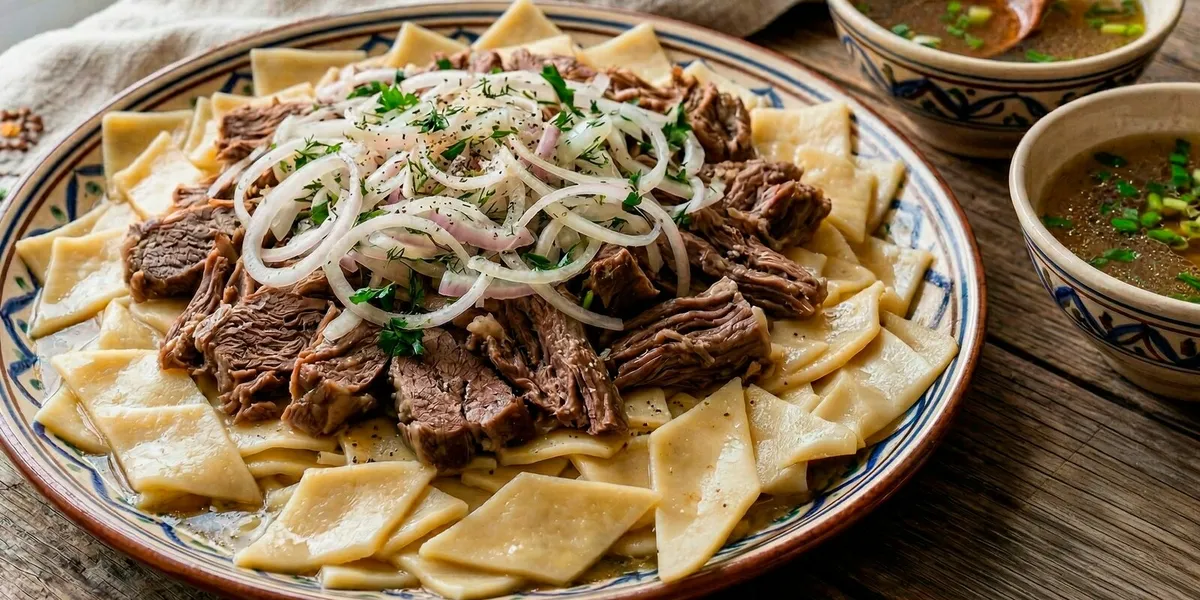
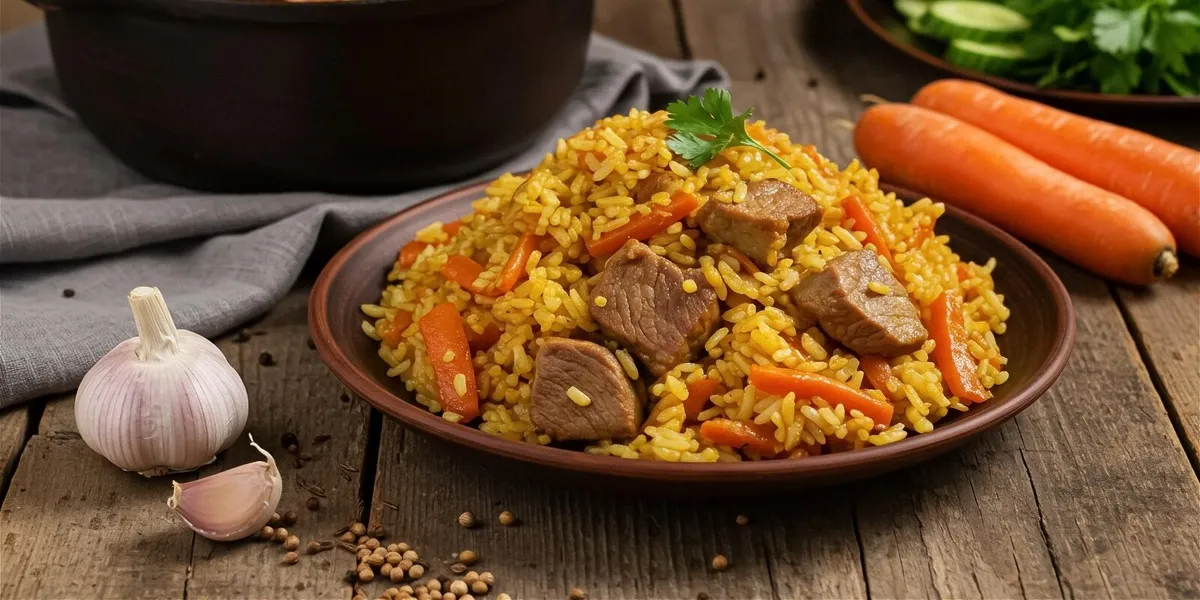
Meanwhile, the influence of Tatar cuisine injected into the Volga region a passion for savory pastries and stuffed doughs, popularizing the meat-and-noodle stew Beshbarmak and vibrant seasoned Plov; specialties traditionally prepared with forest hare, lamb, or horse meat.
Bound by a strict dietary code, Tatars abstained from pork on religious grounds. However, as these dishes were adopted into local Russian households, adaptable variants quickly emerged incorporating pork, cured fatback, beef, or chicken, toning down exotic spices in favor of the clean flavors of dill, parsley, and spring onions from riverside gardens.
The Volga German Heritage: Sausages, Strudel, and Coffee
In the second half of the 18th century, answering the invitation decrees issued by Empress Catherine II the Great, waves of German colonists and immigrants settled permanently in the Volga basin, founding prosperous agricultural communities. These Germanic settlements proudly upheld their culinary customs, introducing eating habits entirely novel to the Slavic region at the time.
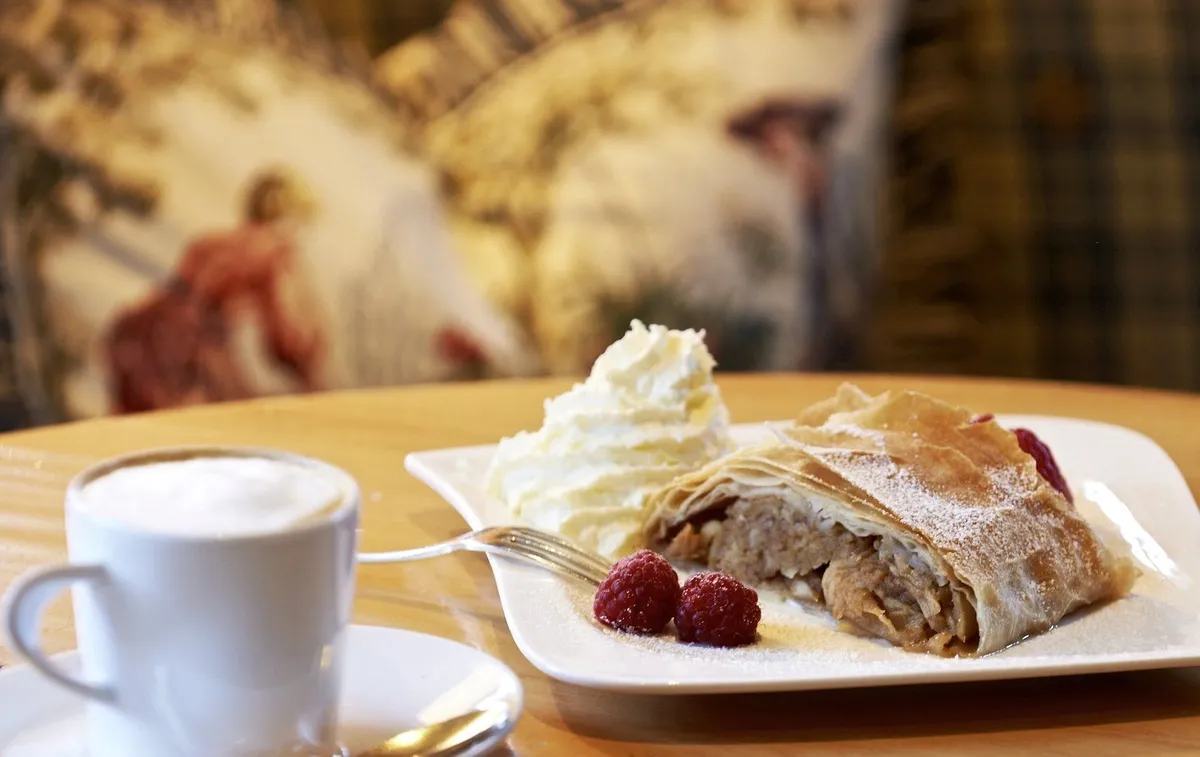
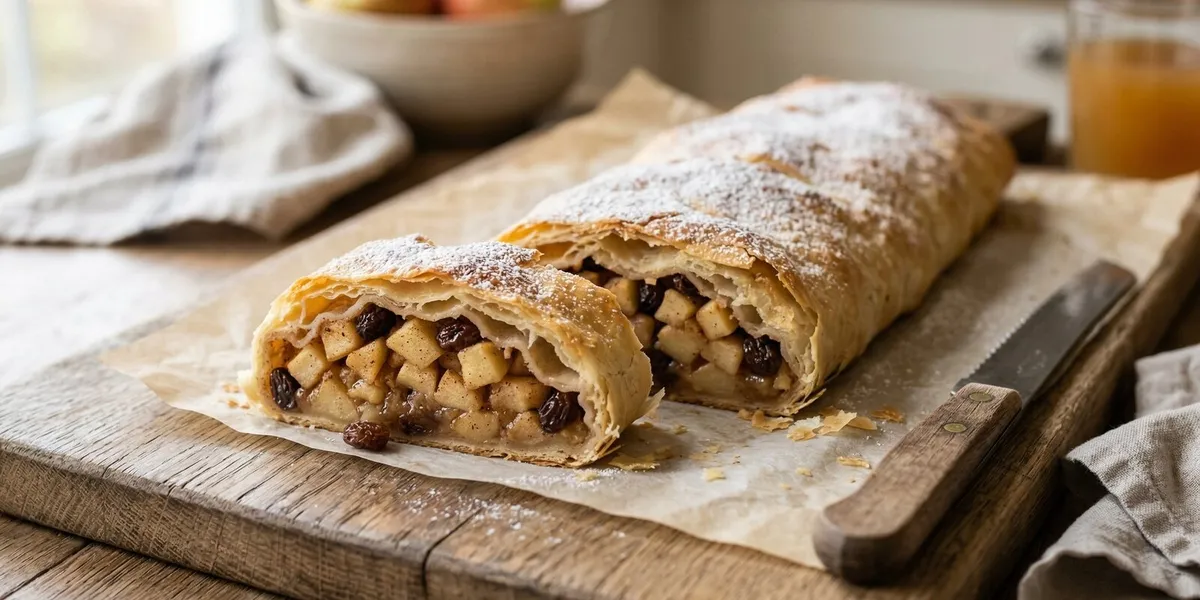
German homemakers popularized breaded pork schnitzels, creamy butter-whipped mashed potatoes, and rich chicken soups cooked with hand-rolled fine noodles. Grand festive banquets were crowned with stately platters of roast goose stuffed with tart apples and homemade sausages seasoned with Western spices, concluding the feast with majestic baked apple Strudel layered in thin pastry.
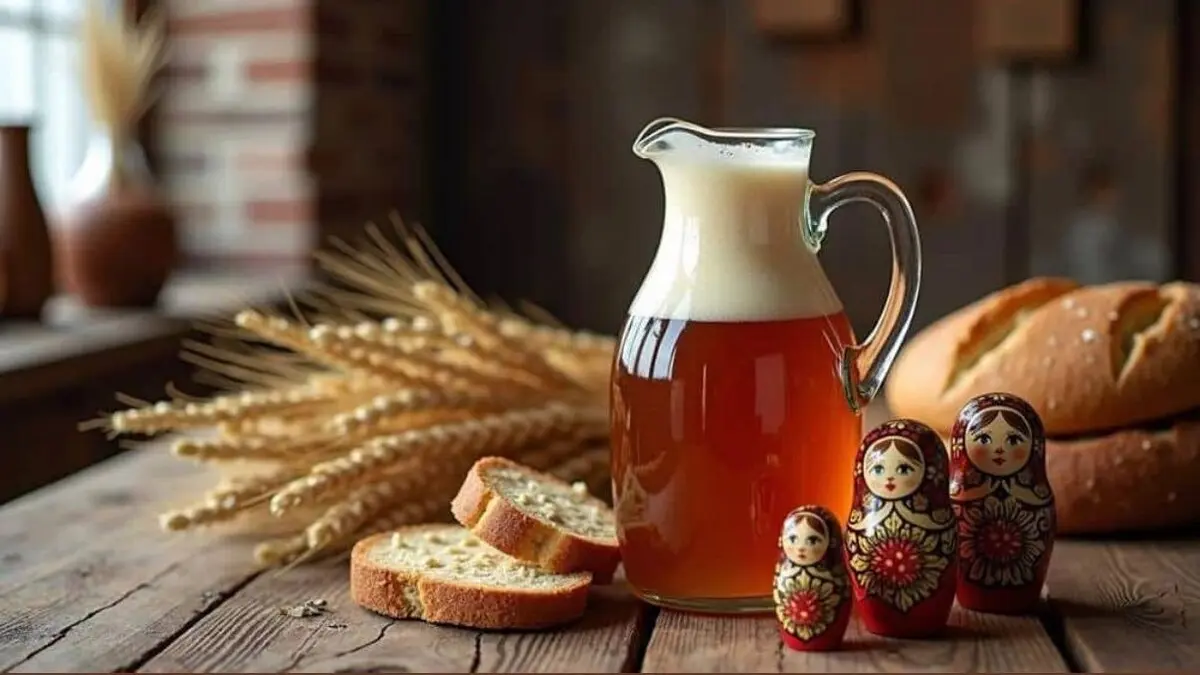
Unlike the Slavic and Turkic peoples of the region, who favored herbal infusions or kvas, German colonists drank large quantities of coffee daily, turning during times of supply shortages to roasted chicory or ground grain substitutes. The Volga thus established itself as the great fusion laboratory of the Eurasian table.
Let Us Design Your Next Signature Experience Together
Discovering Russia through the rich diversity of its regional flavors is an unmatched sensory and cultural journey. Our entire team will be delighted to open the doors to the most authentic historic taverns of Moscow and St. Petersburg, crafting VIP itineraries in English so you and your family enjoy your trip with the highest standards of comfort, safety, and exclusivity.
Imperial Culinary Connection Gateway
This chronicle of cultural fusion and Volga German baking is part of our series on Eurasian gastronomy. To explore the complete map of Russia’s culinary regions or the heritage of the Don Cossacks, we invite you to read our cornerstone article: Journey Through Russian Cuisine: The Map of Imperial Flavors.
Would you like to savor authentic Tatar Plov or traditional Volga German apple Strudel assisted by a VIP service of official English-speaking guides? We take care of all your logistics. Contact our travel advisors directly or explore our multicultural heritage by discovering our curated Catalog of Private Tours in Russia.