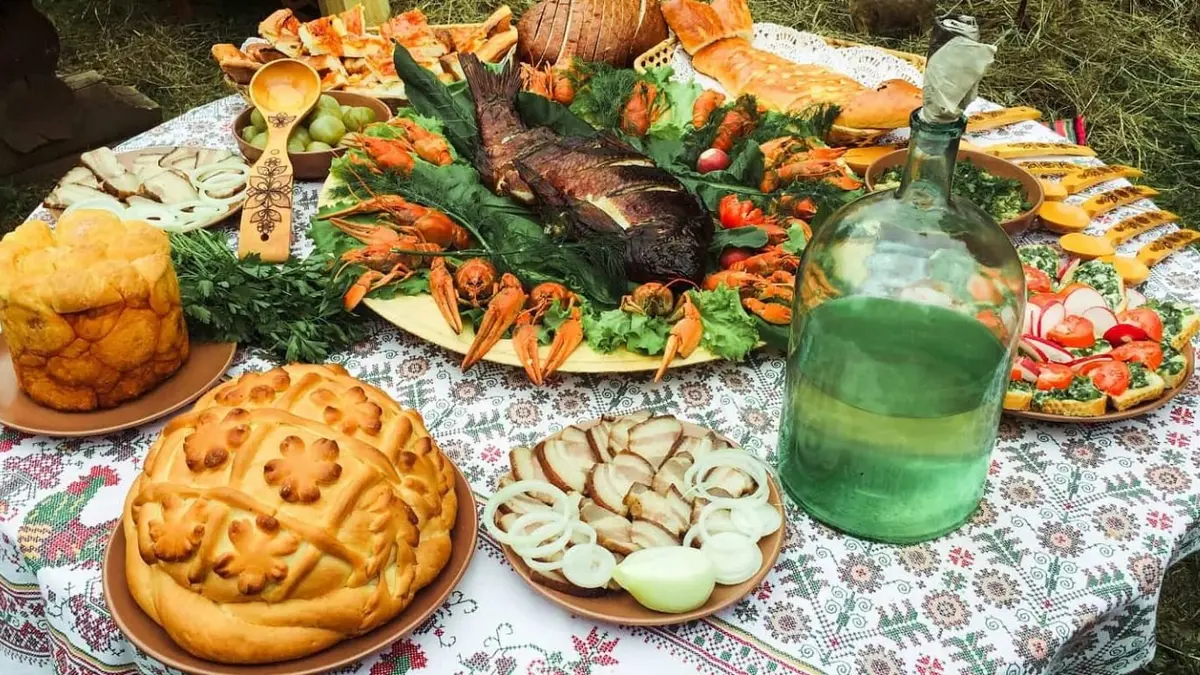
Undertaking a thorough journey through Russian cuisine, it becomes an obligatory step to stop and analyze the particularities of the Urals Cuisine, one of the most majestic, beautiful, and wild geographical regions of the Russian Federation. The immensity of its untamed and imperial nature is directly and organically reflected in the physiognomy of its traditional gastronomy.
Signature Pies: Pasikunchiki and the Monumental Kurnik
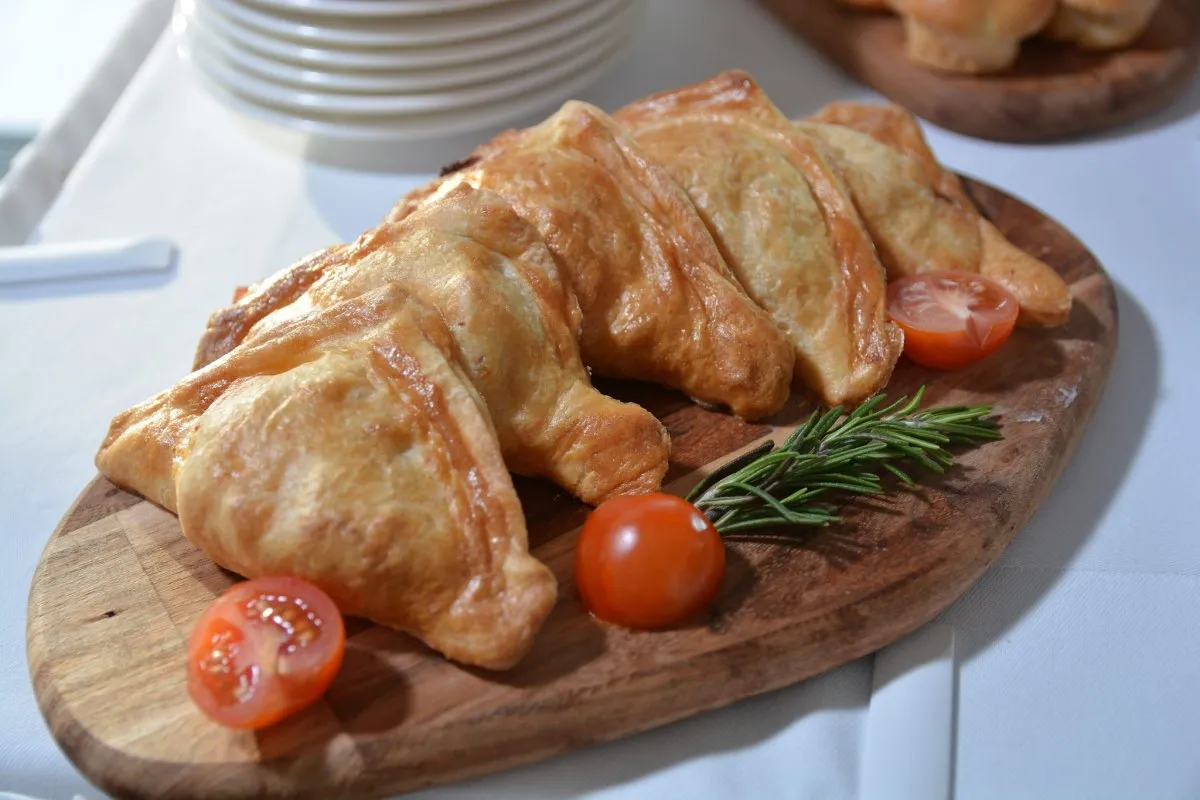
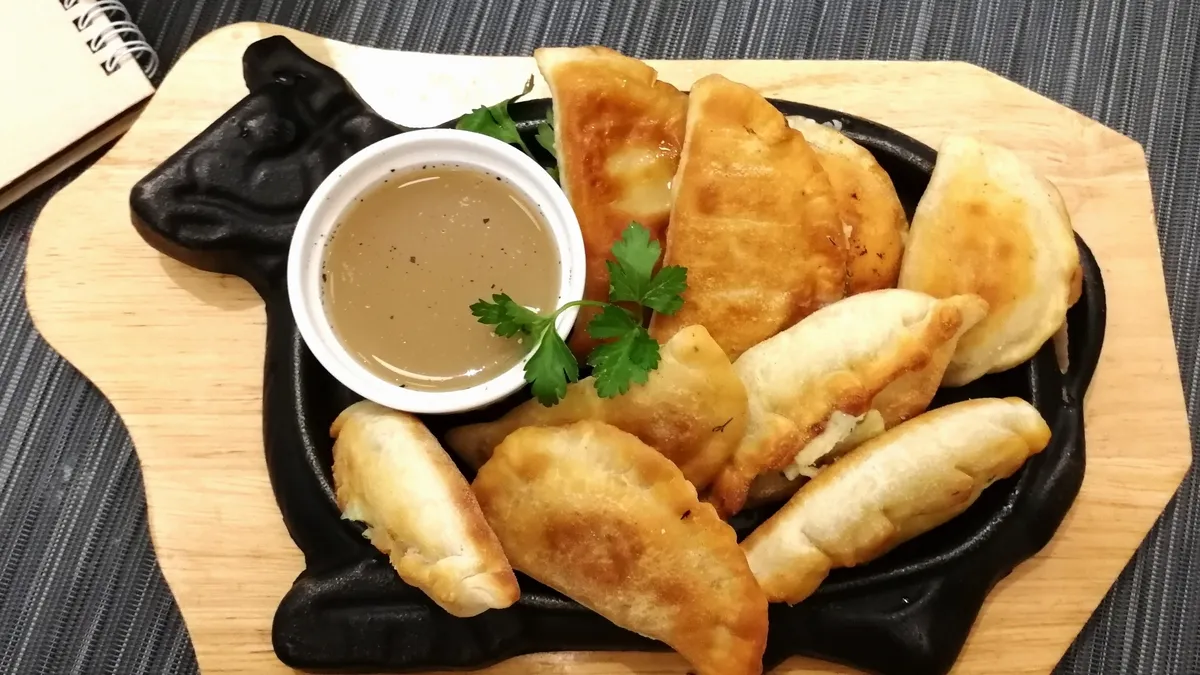
The recipe book of the Ural mountain ranges has harvested a legitimate international fame due to its massive abundance, variety, and mastery in the baking of traditional pies. In the historical urban hubs of Perm and Yekaterinburg, families consecrated their kitchens to molding the celebrated Pasikunchiki, meat pastries or small pies of a highly compact size, barely larger than traditional Pelmeni.
The phonetic origin of their name derives directly from the Slavic roots describing the action of “finely chopping” or “bursting”: a technical reminder that the lean beef or pork filling was cut millimetrically by hand with a knife so that, when biting into the crispy crust fried in fat, the concentrated boiling juice burst in a succulent way on the diner’s palate.
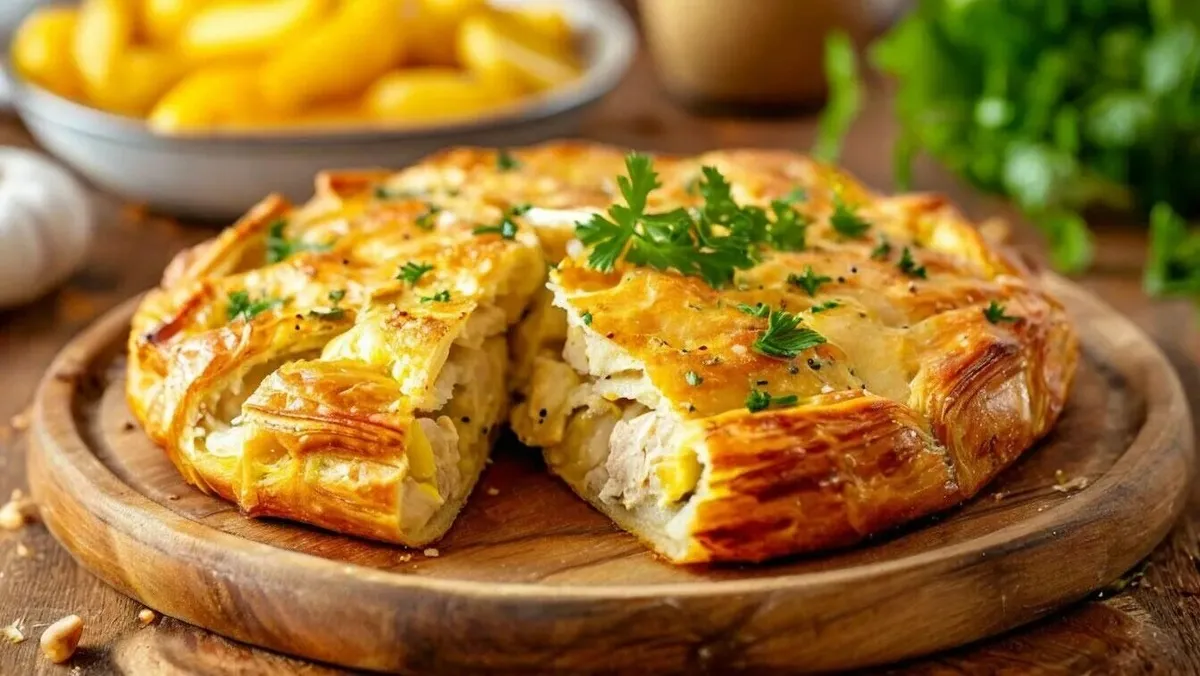
Meanwhile, in the Cossack pastures of the Orenburg province, the undisputed king of gala celebrations and wedding banquets was the monumental Kurnik. This is a large-scale pie whose internal structure symmetrically sheltered multiple levels of alternating fillings: from fine cuts of poultry, chicken breast, and venison, to glutinous rice, chopped farm eggs, sauerkraut, and forest boletus mushrooms.
The feat of this baking lay in the fact that each layer of ingredients was strictly separated from the next through the placement of thin Russian pancakes (Blinis), with each family lineage guarding an exclusive spice formula passed down with zeal from generation to generation.
The Urals as a Multicultural Melting Pot: The Turkic and Kazakh Influence
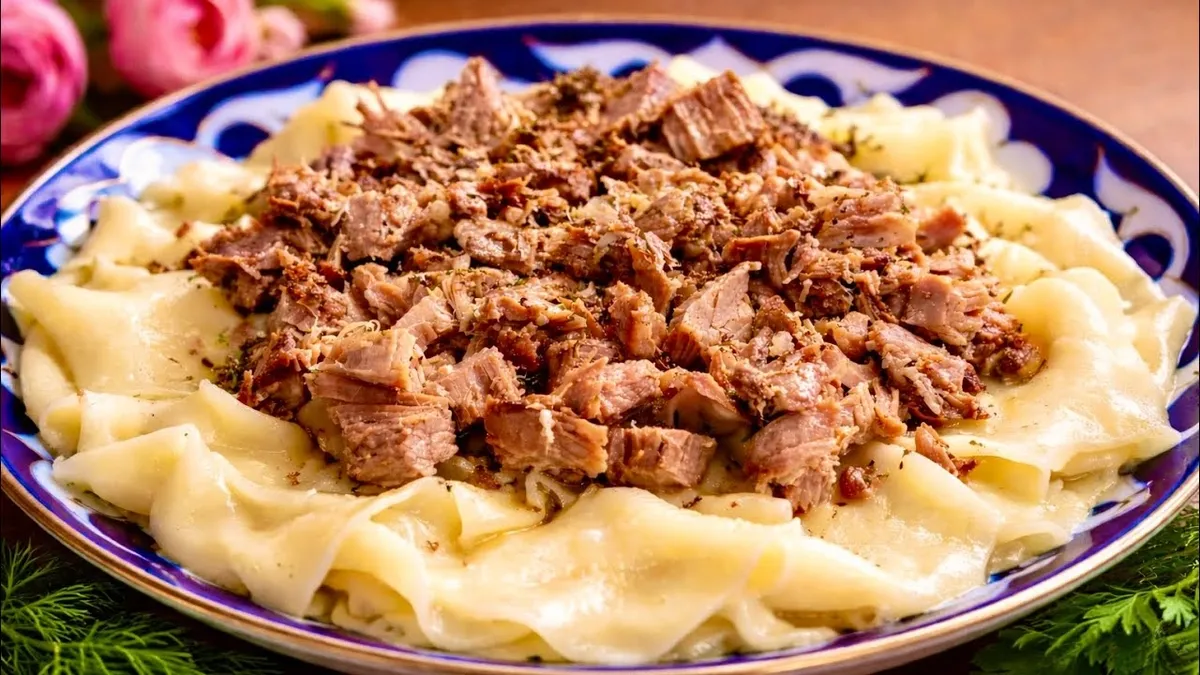
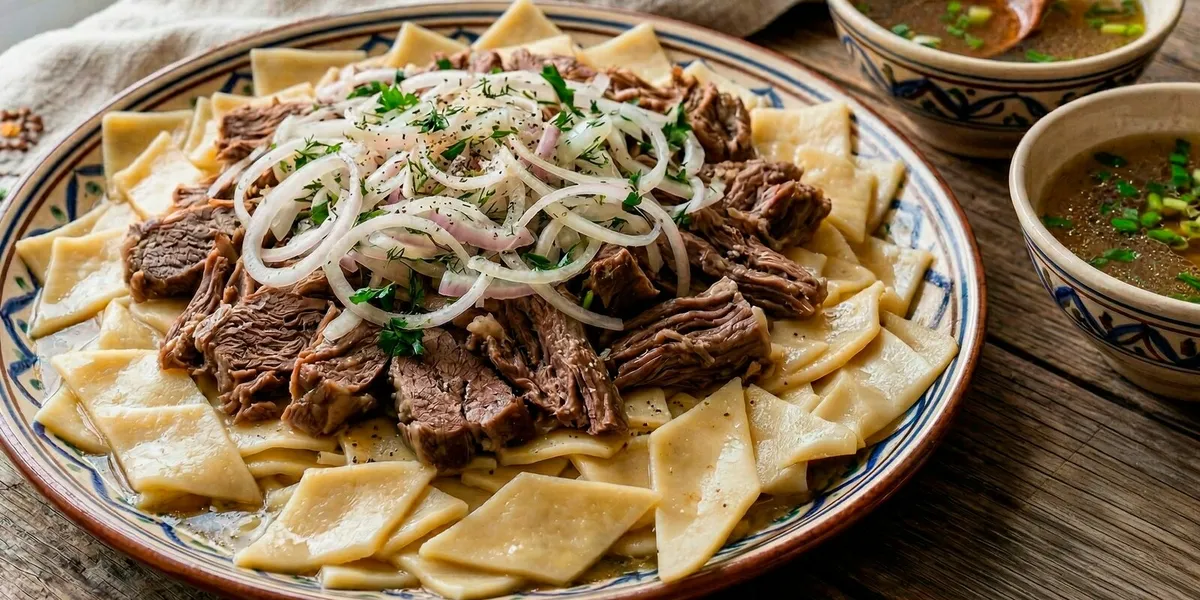
Due to its condition as a natural border between Europe and Asia, the Urals region operates as a multicultural melting pot where Russian values intertwined peacefully with the eating habits of the Eurasian steppe ethnic groups. From this symbiosis, Russian settlers assimilated the mastery of the Turkic Beshbarmak, a hearty specialty based on stewed meats served over wide ribbons of hand-cut fresh dough; cooks adapted the formula using fatty lamb meat respecting the customs of the Bashkirs, or by incorporating beef and starchy potatoes in the style of the Kazakh tribes.
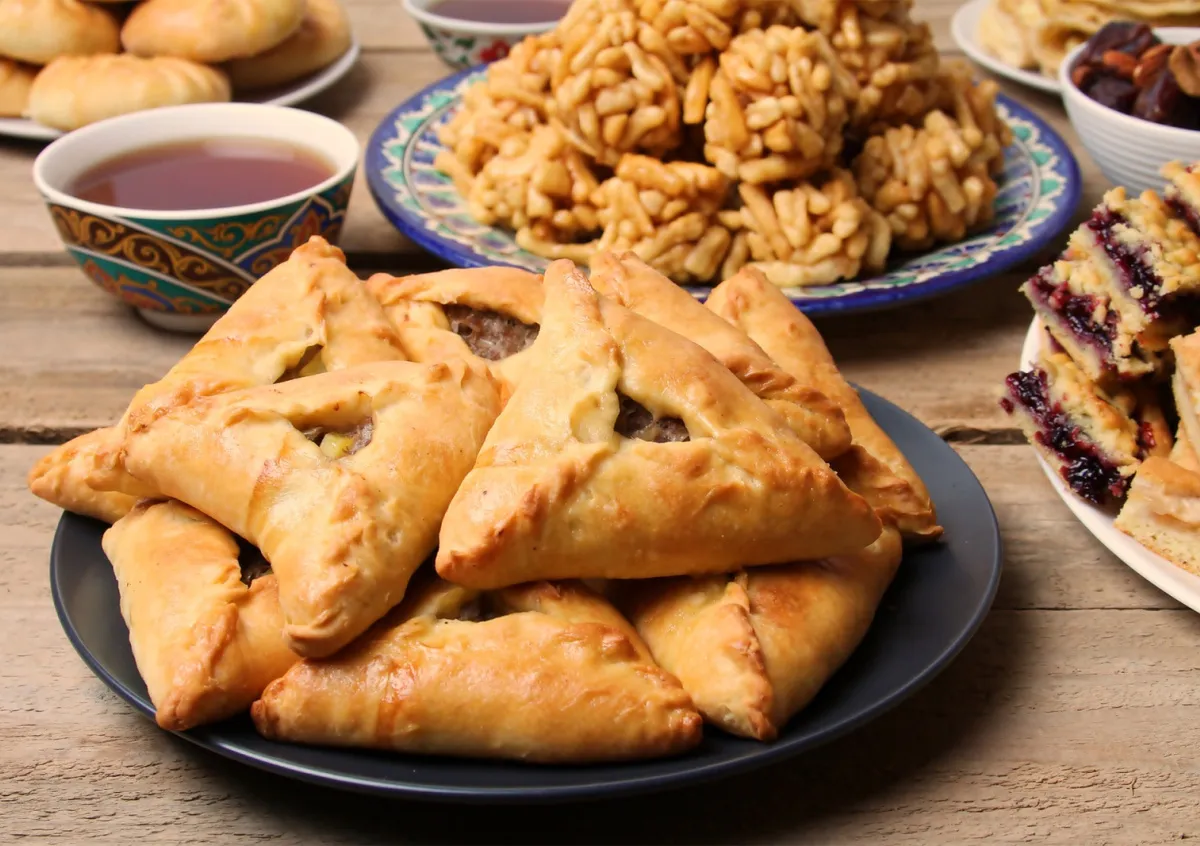
Of an equal level of adoption was the Echpochmak of Tatar roots, sumptuous pastries provided with a striking triangular shape filled with raw minced meat, spring onions, and diced potatoes, with the cooking taking place jointly inside the oven so that the dough absorbed the juices of the live stew.
The Shangas of Kasha and the Harvesting of Kislica
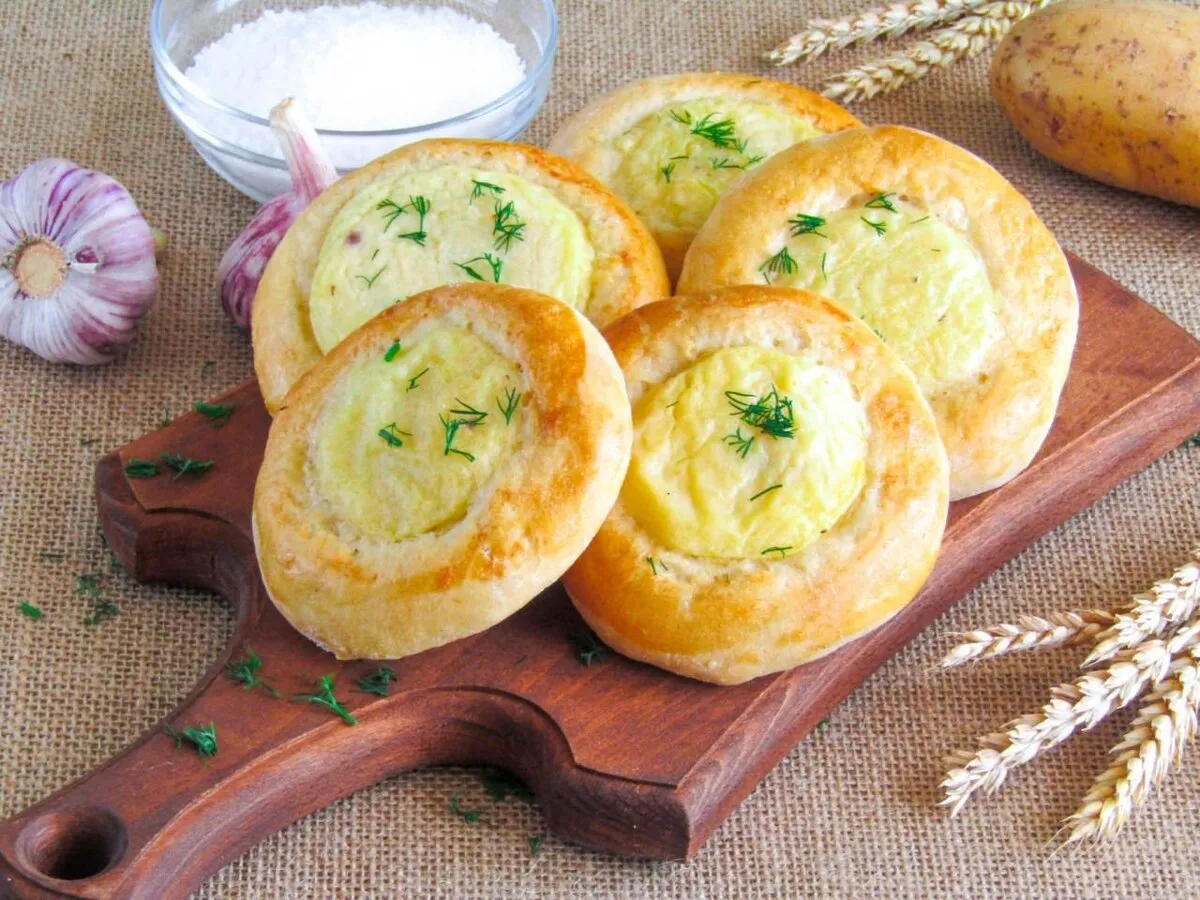
Another indispensable element in Ural lunches is the Shangas (Shanga), round tarts made with unleavened dough whose top surface remains completely open. Unlike sweet Western pastries, the Ural shangas boast a savory and substantial character, with the open centers filled with sour cottage cheese, mashed hard-boiled egg, or abundant cereal porridge (Kasha).
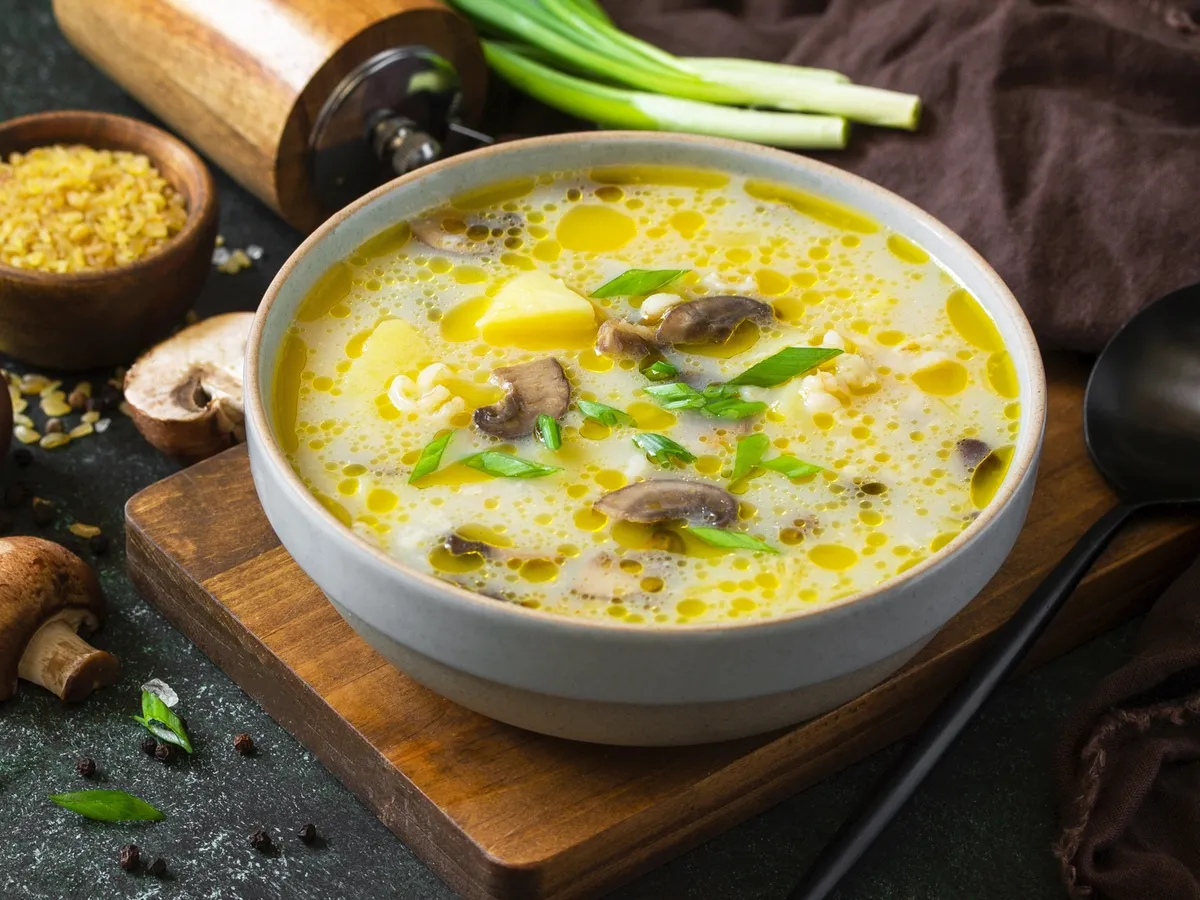
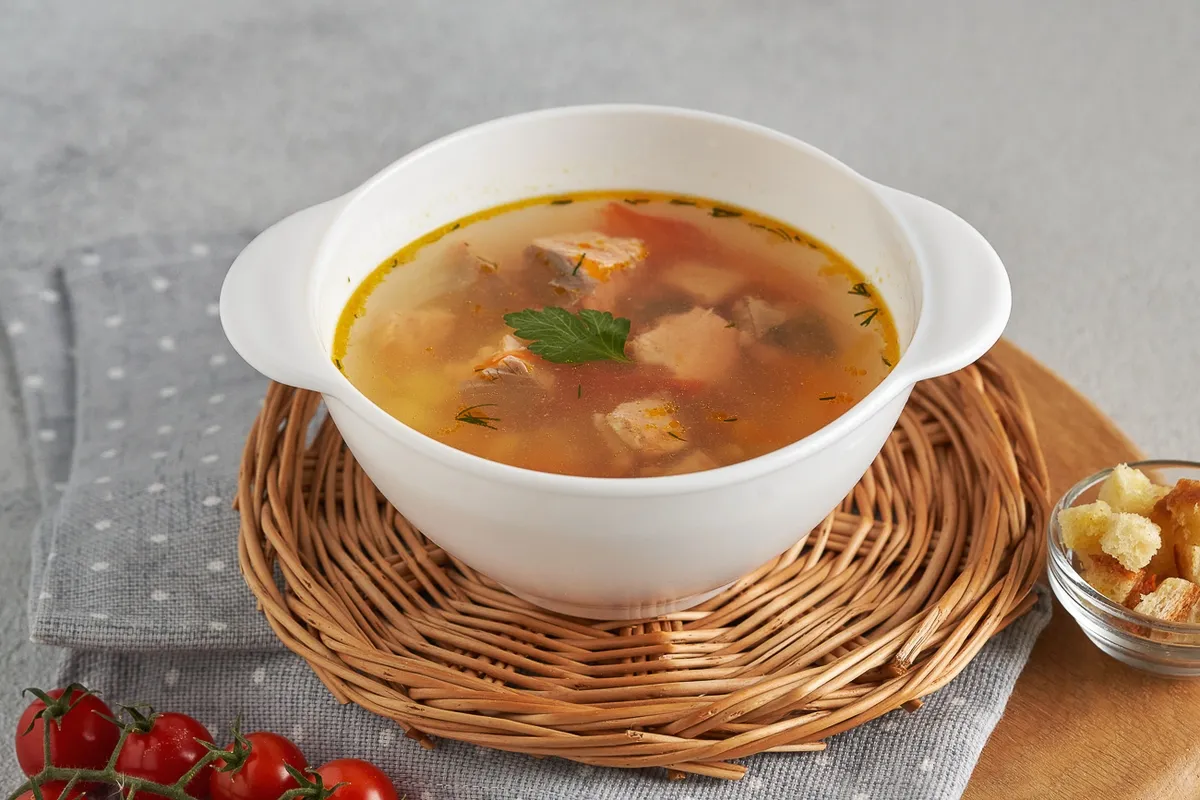
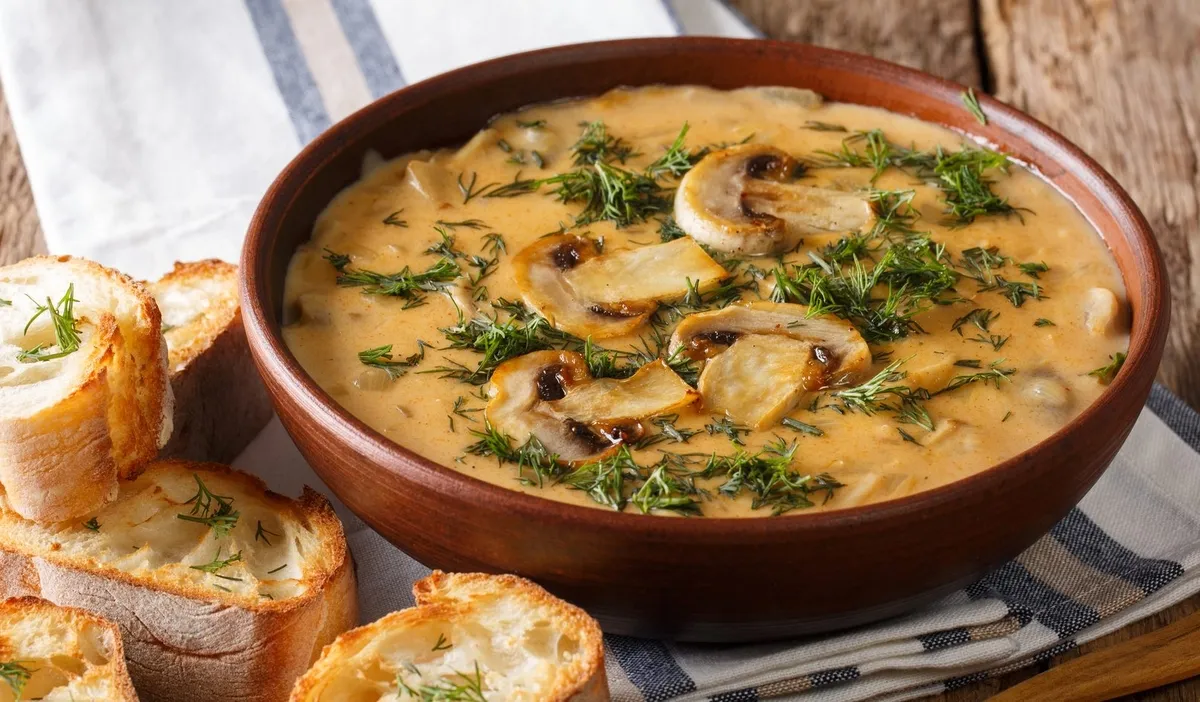
In terms of broths, the Urals Ukha competes on equal terms against northern soups, being elaborated using salted river rockfish. Likewise, given the forest exuberance of its mixed and coniferous woods, the region stands out for its monographic mushroom soup, known in recipe books as Gruzdyanka.
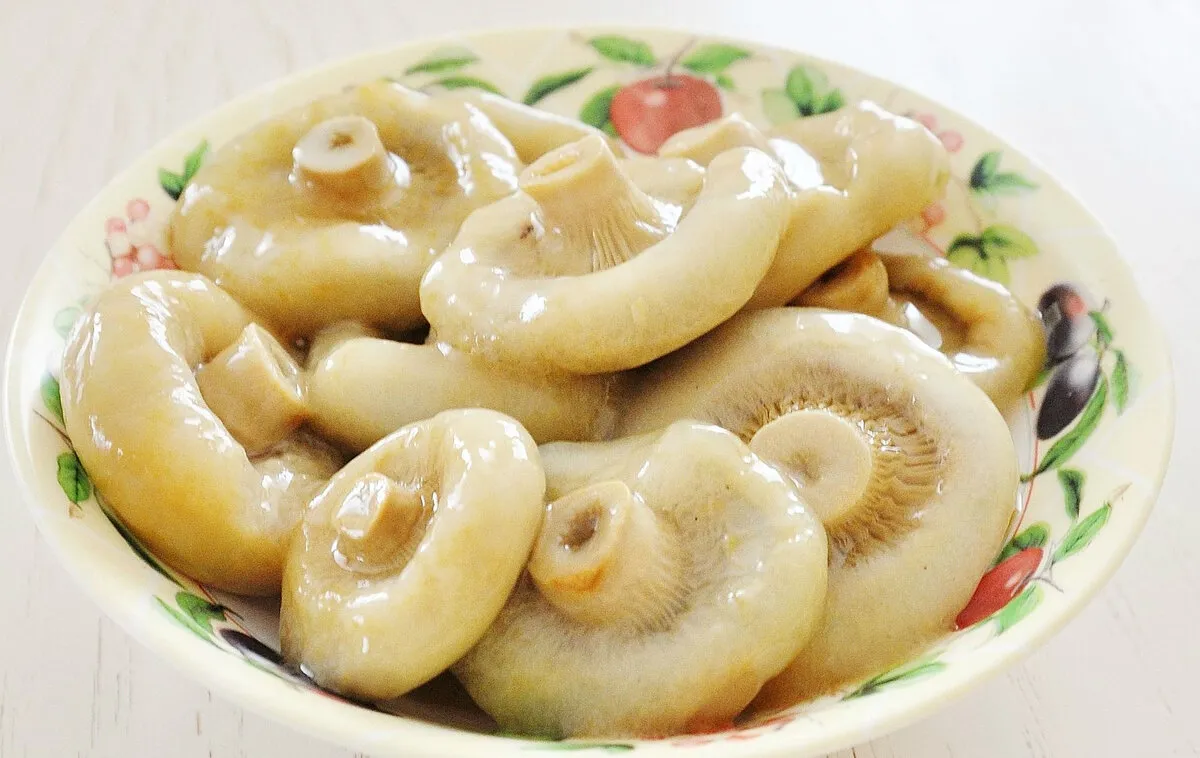
To execute a gala Gruzdyanka, the mushrooms (mainly the highly prized white milk caps Gruzdi, chanterelles, and podosinoviki) are never crushed or ground following the trends of European cream soups; the fungi are cleaned and stewed whole or cut into large portions so that the diner appreciates the forest texture in each spoonful.
To put a sweet golden finish to the menu, the inhabitants of the mountain slopes of Chelyabinsk harvest at the end of May the flowers and stems of the Refreshing Kislica (Oxalis), a wild perennial plant with a markedly acidic taste. Housewives process this herb by simmering it over low heat with honey to make fine mountain jams, refreshing compotes, and rich elastic fillings for spring pies.
Imperial Culinary Connection Pathway
This chronicle of juicy pastries and multicultural melting pots is part of our regional gastronomic knowledge network. If you wish to analyze in detail the secrets of the 60 Moscow Shchi soups or the riches of the Pacific, we invite you to explore our master chronicle: Journey Through Russian Cuisine: The Map of Imperial Flavors.
Do you wish to discover the taverns of Yekaterinburg and savor authentic, crispy Pasikunchiki with the peace of mind of a VIP service coordinated in your language? We ensure your experience is flawless. Contact our official guides directly or explore Slavic history in our exclusive Private Tours Catalog in Russia.