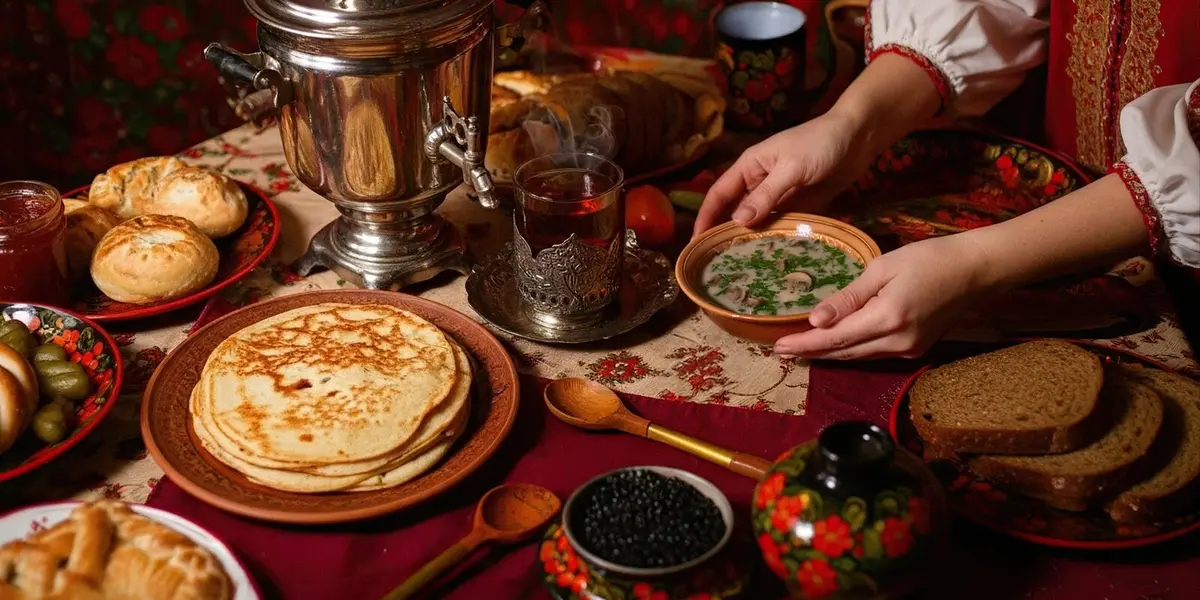
Following in an orderly fashion with the stations of our journey through Russian cuisine, in this editorial chronicle we will lead you to explore the depths of Central Russian Cuisine, the true stately cradle of Slavic gastronomy.
The Russian Oven: The Engineering of Slow Cooking
Until the arrival of the 14th century, the culinary guidelines of Central Russia were characterized by an apparent structural simplicity and a palette of ingredients determined strictly by the cycles of the land. The grand particularity of Moscow cuisine lay in its total reliance on the traditional Russian oven (Russkaya Pech), an immense brick and clay masonry structure that presided over residential dwellings.
Blessed with a decreasing passive heat retention system that lasted for hours after the embers were extinguished, hot dishes were cooked by being placed in covered clay pots inside: boiled, stewed, or subjected to prolonged simmering. In those medieval centuries, the technique of frying in an open pan was a practically non-existent practice; food softened and concentrated its juices without oils.
Lean meat was rarely cooked consecutively: religious regulations stipulated that for about 200 days a year it was forbidden to consume red meat, poultry, or dairy products, keeping a rigorous zeal of food abstinence every Wednesday and Friday of the week obligatorily.
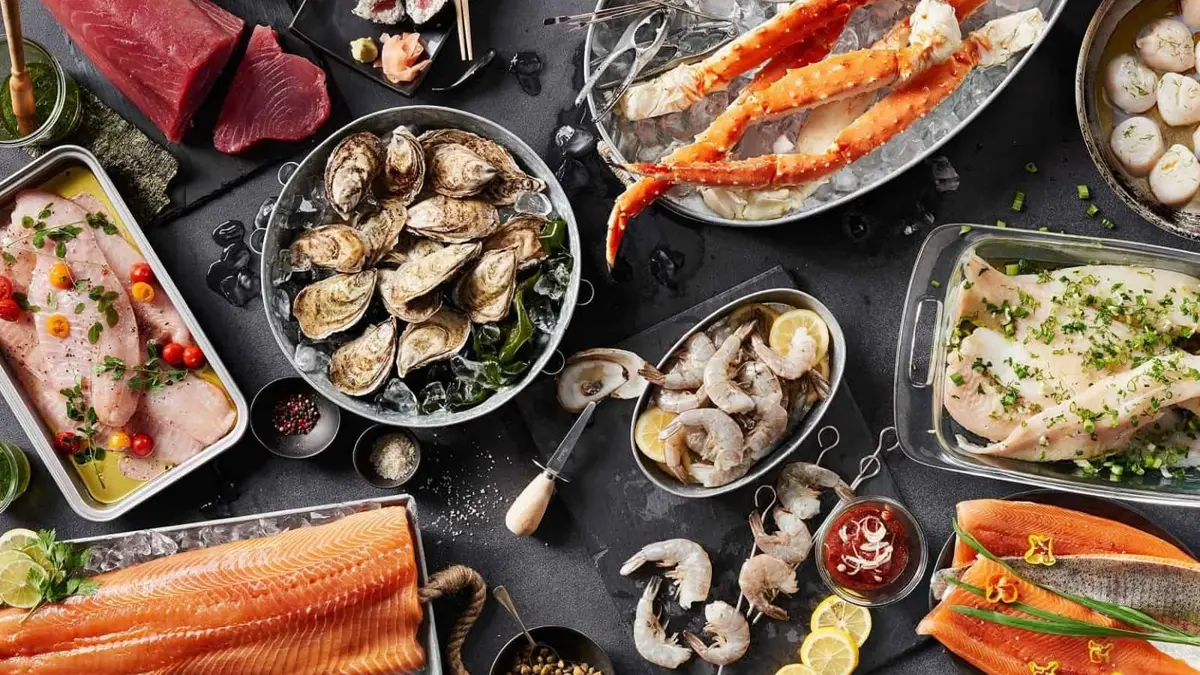
The restrictions varied in rigidity: during the eve of the Great Lent prior to Easter or on the evening of Good Friday, families tried to absolutely do without all solid food. Only on designated ecclesiastical festivities were diners authorized to break their fast by consuming river fish, prepared boiled, baked, stuffed, or sun-dried.
Rye and Doughs of the Moscow Table
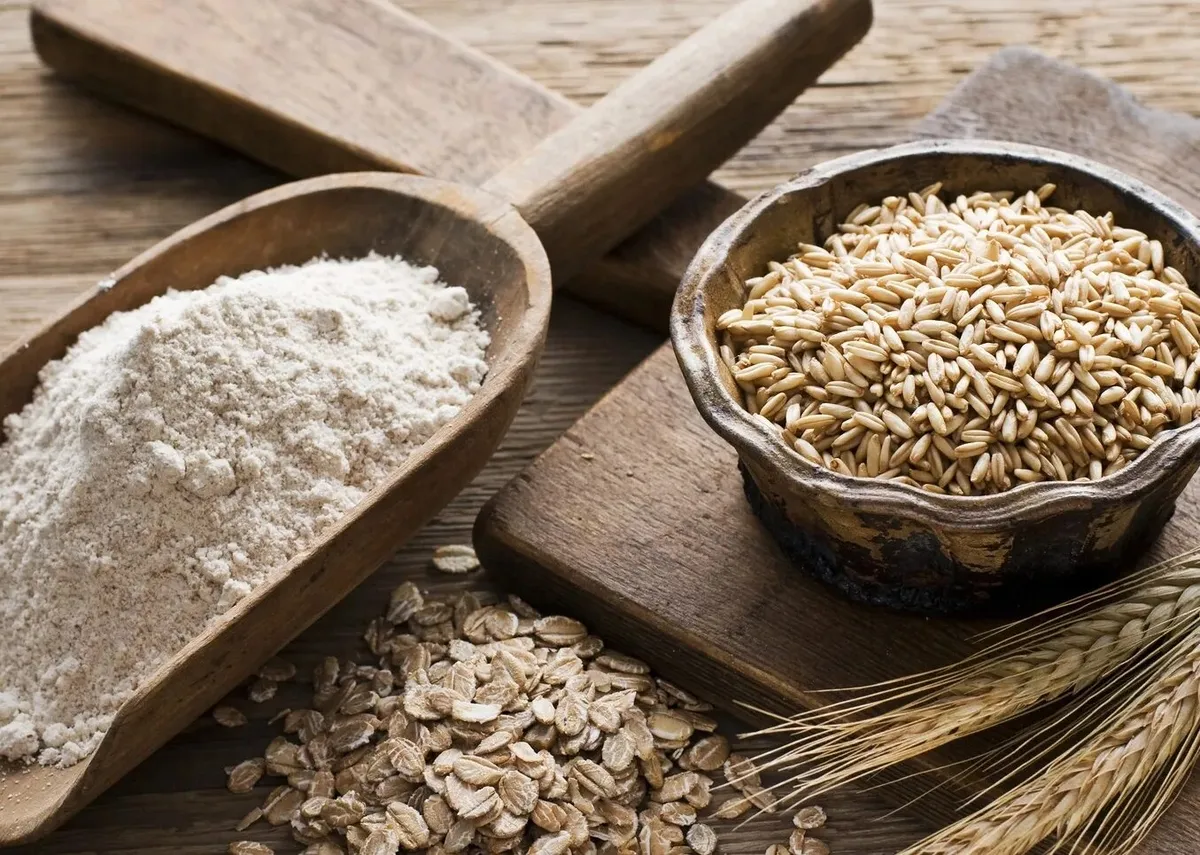
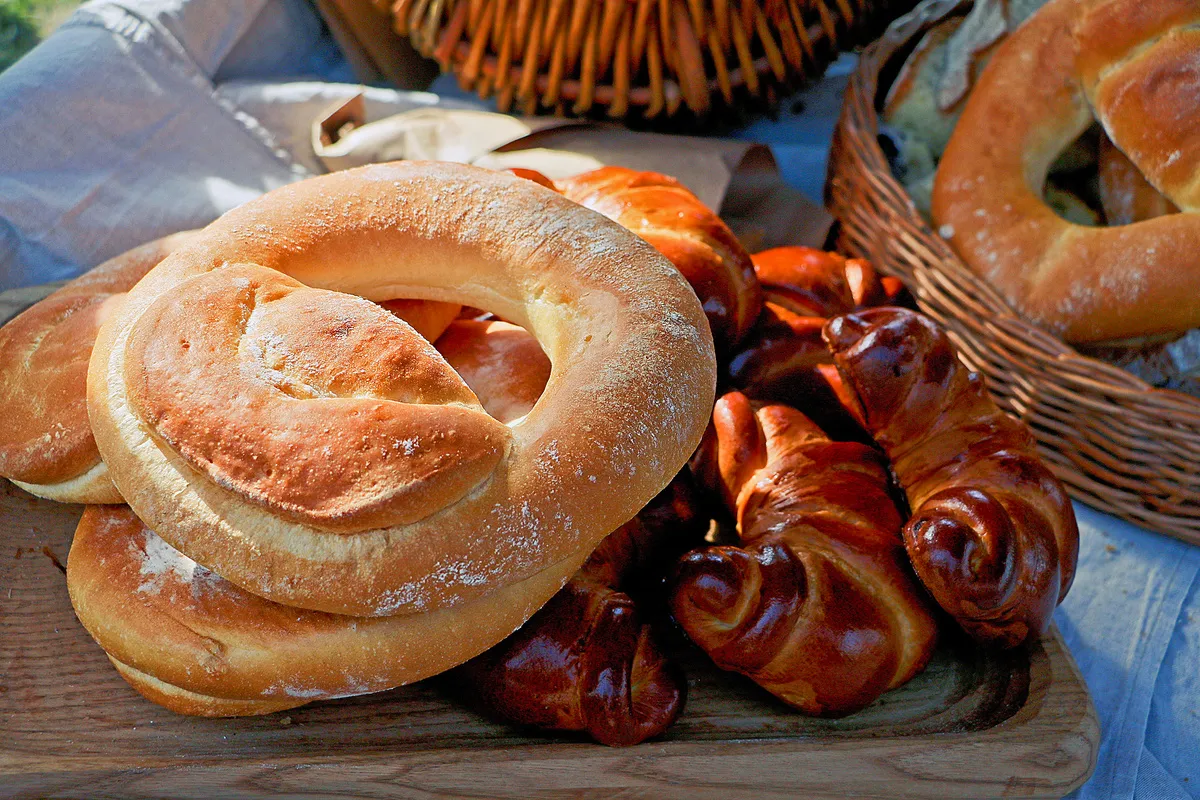
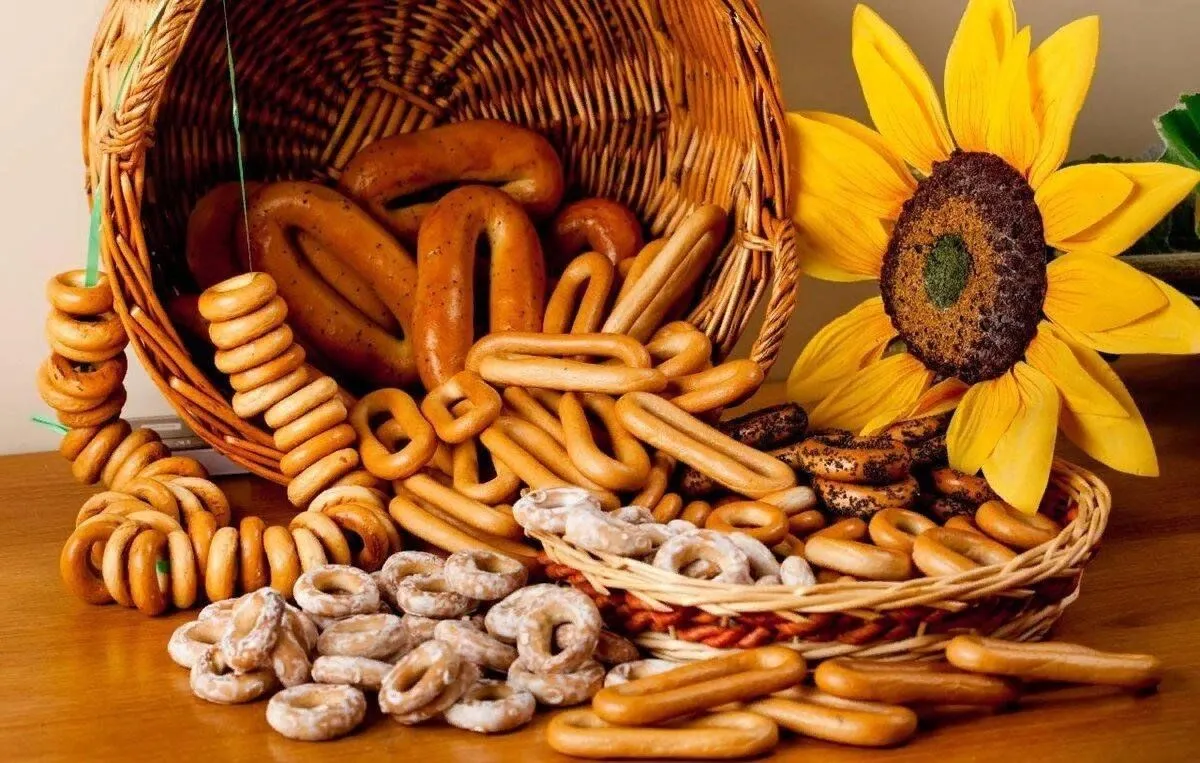
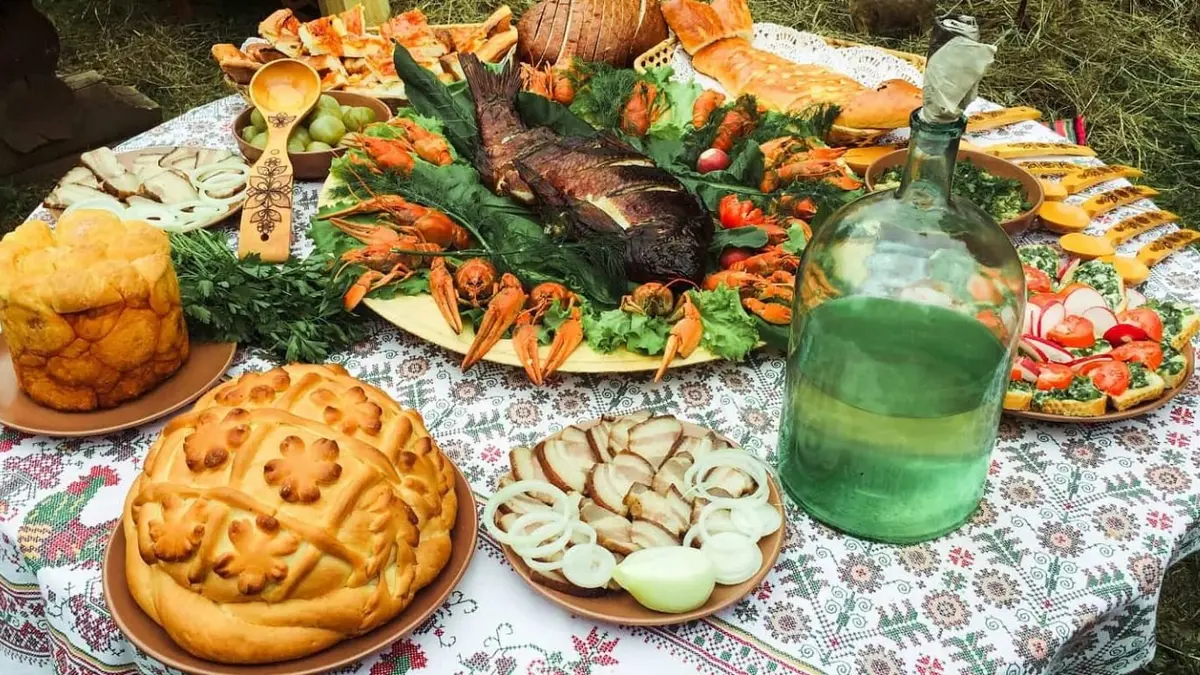
Bread was baked most frequently using dark rye flours, making rustic barley cakes for months of scarcity. Fine refined wheat flour made its appearance in the country’s central markets around the 17th century; due to its high commercial cost, the aristocracy and merchants of the Moscow squares allocated it exclusively to making rich and sumptuous pastry pieces reserved for feast days, such as the iconic Kalachi (lock-shaped white breads), the elastic Bubliki rings, and the small Baranki hard-dough rings.
Flour was not confined solely to kneading loaves; it operated transversally across the Central Russian recipe book:
- Tolokno: Oat flour previously steamed and oven-toasted that was diluted with warm water or fresh milk to constitute dense porridges of high energy value.
- Kisel: A dense, thick, and sweet traditional jelly that housewives cooked using fermented rye or pea flours, served as a comforting dessert.
The 60 Recipes of Shchi Soup and Kasha Porridge
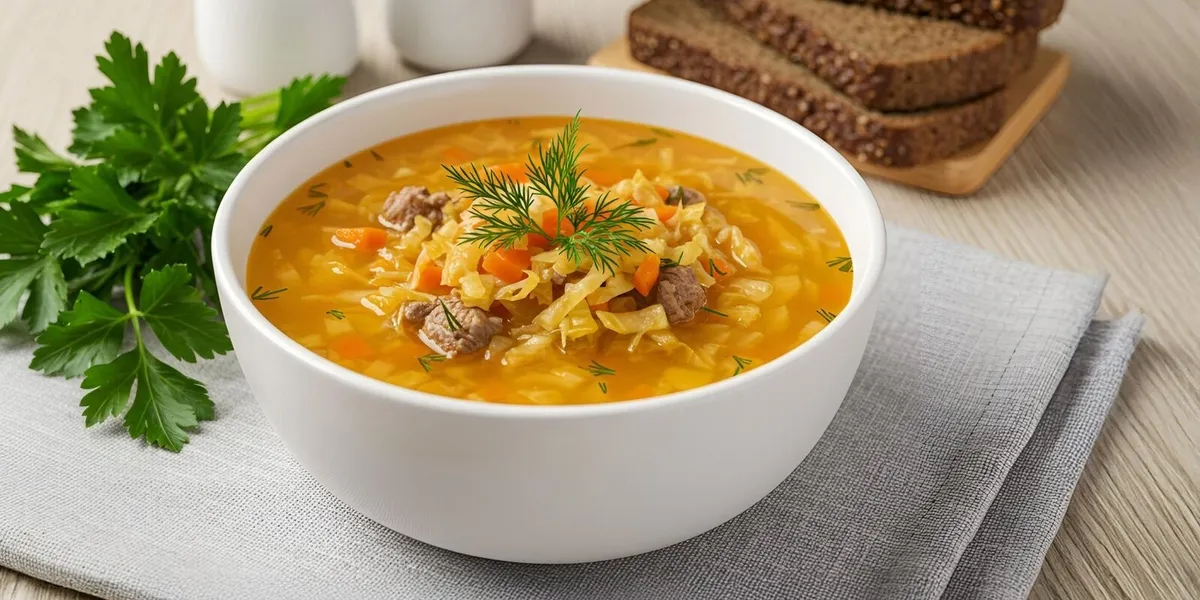
The true daily framework of the Central Russian diet was based on Shchi cabbage soup and Kasha porridge. From Shchi broth alone, families mastered around 60 different recipes: "Full Shchi" was cooked by incorporating dried white boletus mushrooms; several varieties of lean meats were put into "Combined Shchi", while fresh leaves of wild nettle, quinoa, and sorrel were added to give life to "Green Shchi" in spring.
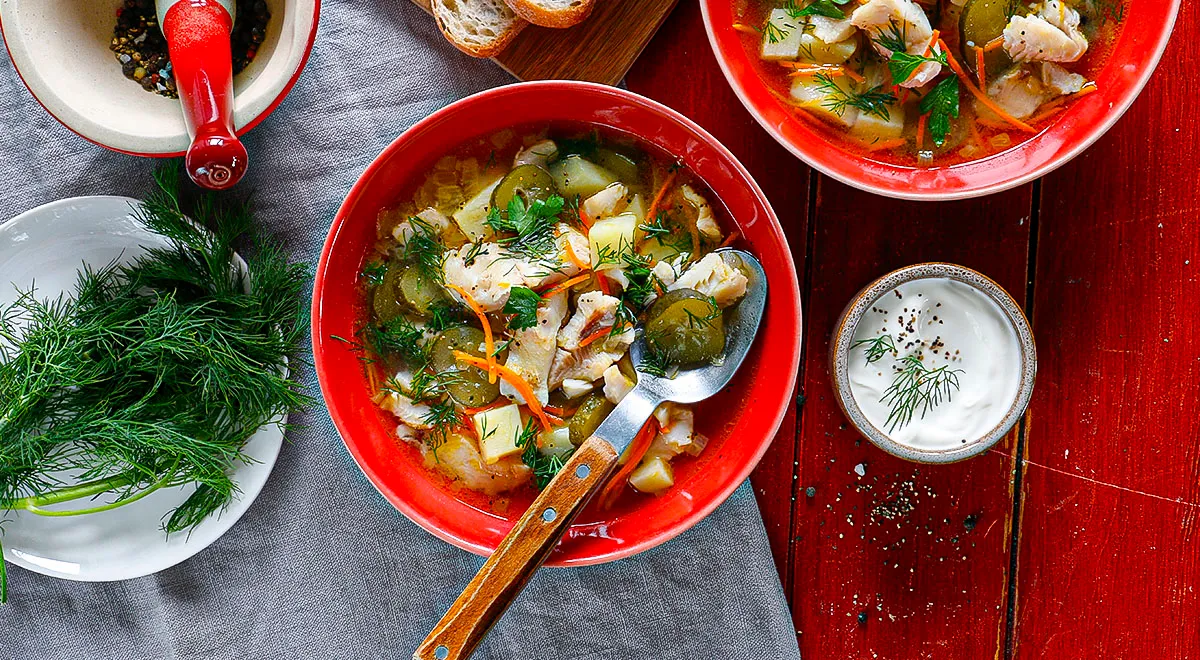
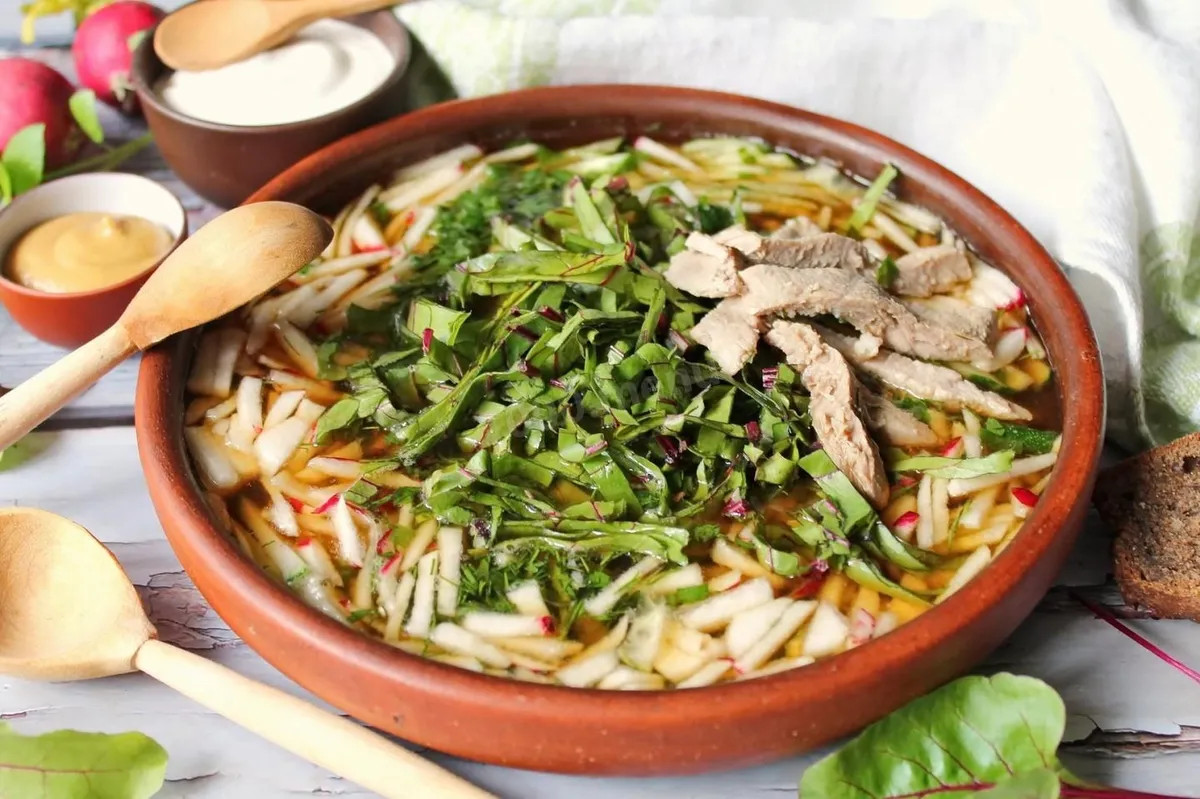
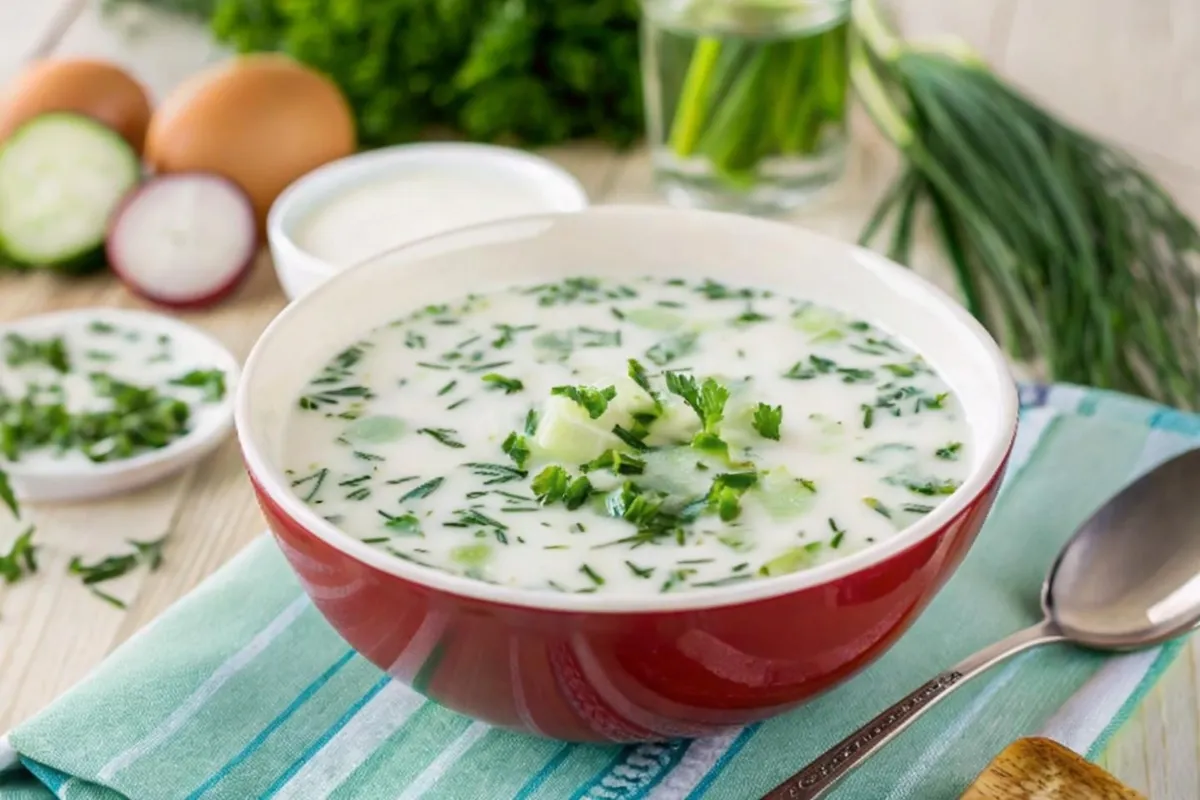
The invariable component of the dish was cabbage, whether cut fresh from the garden or sauerkraut fermented in wooden barrels. In addition to their master soup, housewives prepared Kalya soup made with fish on an acidic base of pickled cucumber brine, refreshing Botvinya based on beet leaves, and the classic summer soup Okroshka diluted in cold kvass.
Kasha (cereal porridge) represented the mandatory companion of each lunch, being cooked with dried peas, buckwheat, clean wheat semolina, or crushed barley semolina, served on its own or enriched with cuts of meat, fish, vegetables, or forest mushrooms.
Turnip Tsukati and Honey Elixirs
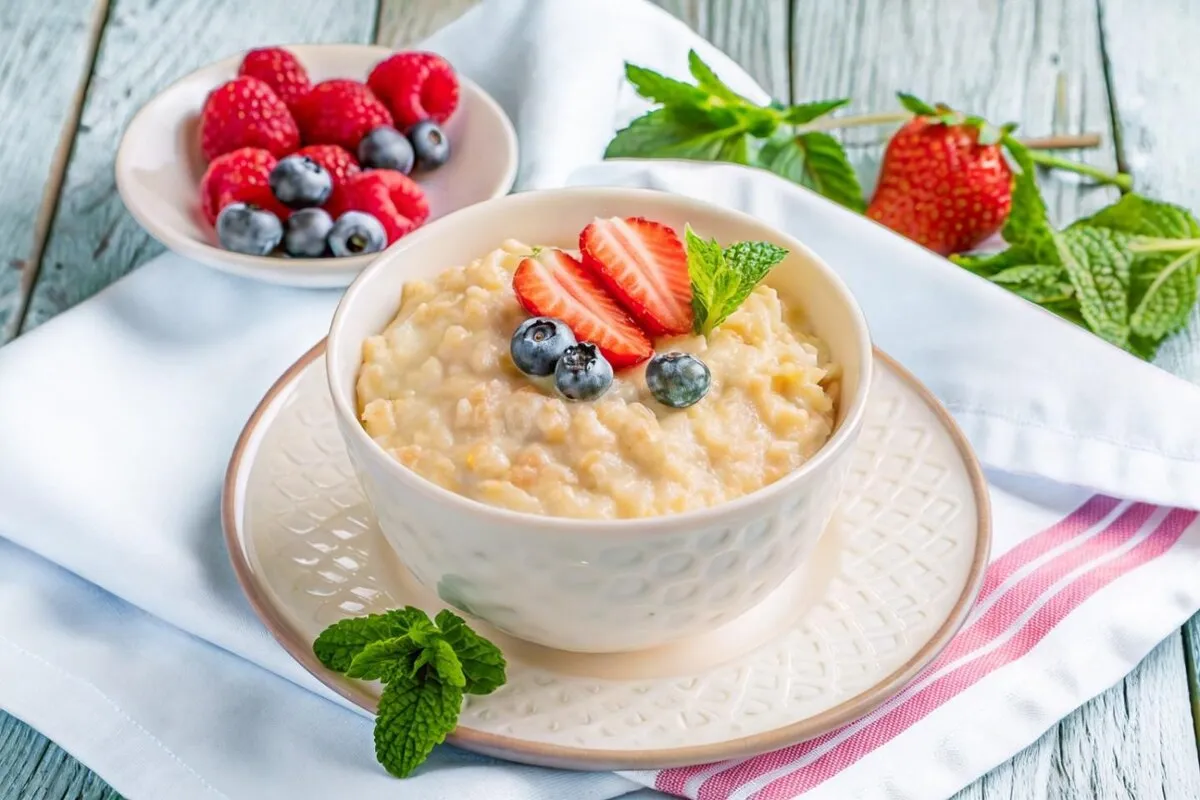
In the absence of modern industrial sugars, the stately tables of Central Russia deployed desserts based on wild gifts: sweet oatmeal porridge with whole milk and hand-picked berries, sour apples baked with forest honey, or aromatic Gingerbread (Pryanik). Until the irruption of imported potatoes in the 18th century, the turnip stood as the main vegetable on the table; they ate them raw, boiled, baked, or fermented for the winter along with cabbage, injecting the green leaves into the broths.
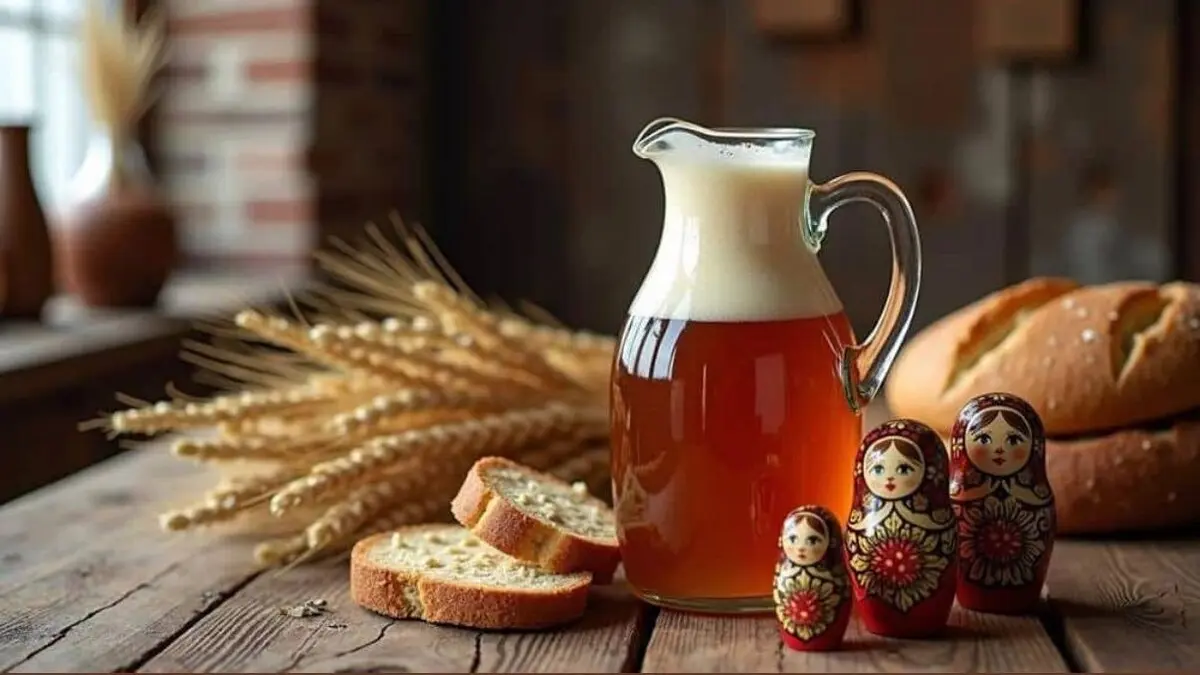
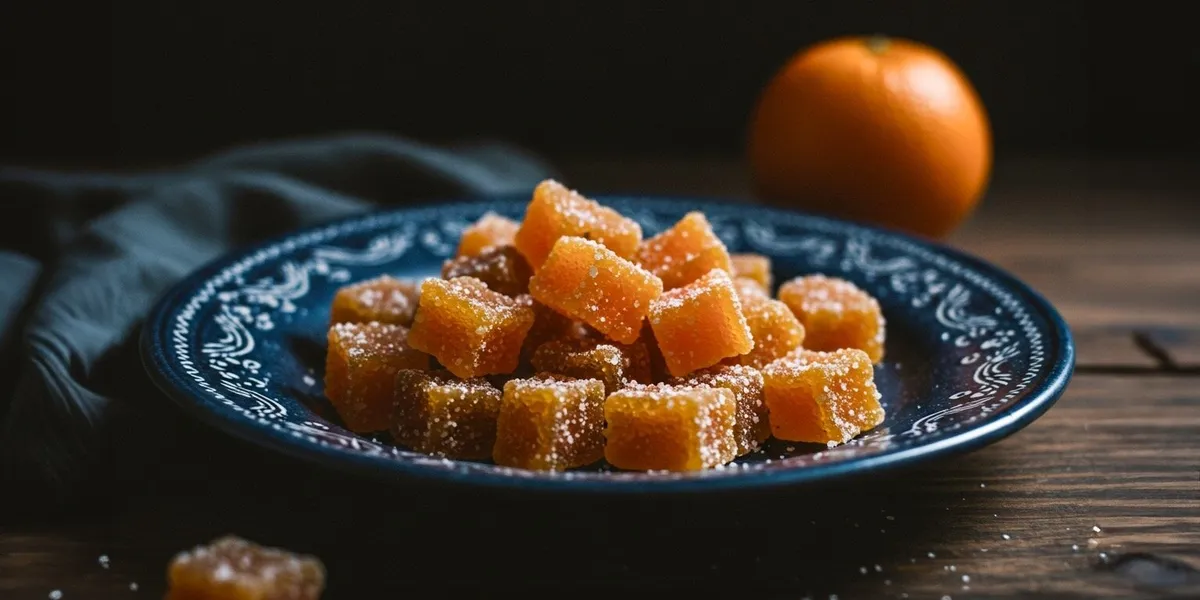
Royal confectioners also made unique vegetable Tsukati: slices of sweet pumpkin, garden cucumbers, and tender carrots that were steamed in honey until the plant fiber became translucent, served washed down with cups of tea or botanical infusions. In summer, cold rye Kvass was preferred as a highly refreshing drink, while upon entering the harsh winter, samovars were consecrated to boiling Sbiten, a succulent hot elixir of water, forest honey, and spices destined to warm up the organism.
We Invite You to Enjoy Your Journey to Russia
If you are tracing the lines of your next landing in the country, we invite you to discover the true flavors of the traditional Moscow table by visiting the most exclusive and authentic restaurants in the company of our Spanish-speaking official guides, guaranteeing you a smooth, safe, and memorable journey.
Imperial Culinary Connection Pathway
This chronicle of slow cooking and traditional breads is part of our Russian gastronomic knowledge network. If you wish to analyze the complete map of the seven culinary stations or the traditions of its multiple ethnic groups, we invite you to explore our master chronicle: Journey Through Russian Cuisine: The Map of Imperial Flavors.
Do you wish to taste a full Shchi cooked in a stone oven or some traditional Kalachi pastries in the center of Moscow assisted by a VIP service in your own language? We shield your vacation. Contact our concierge team directly or explore our select Gastronomic Tours Catalog.