St. Petersburg stands unanimously as the most beautiful, aristocratic, and dazzling city in the entire Russian Federation, according to the deep-rooted testimony of its own inhabitants and the vast majority of international tourists. Its intricate authorial history, the stately layout of its avenues, the romantic flow of its canals, and every meticulous Baroque detail configure a unique urban environment on the planet.
We are looking at a liquid capital endowed with a thrilling path, filled with feats of enormous magnitude, dazzling imperial victories, and the harshest, most severe socio-economic and military challenges that modern civilization has ever had to assimilate. It was precisely on this Baltic cobblestone where the country’s most crucial political events took place, directly determining the subsequent course of development of the history not only of the Slavic giant, but of global geopolitics.
The Foundation of the "New Rome" by Peter the Great
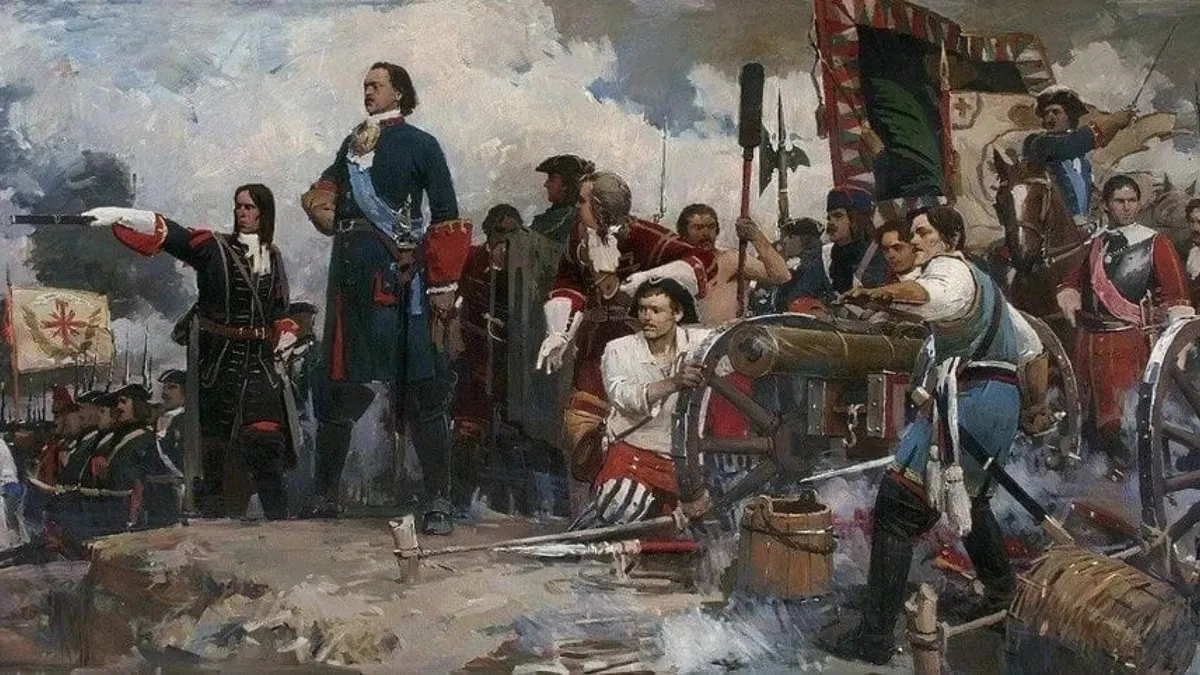
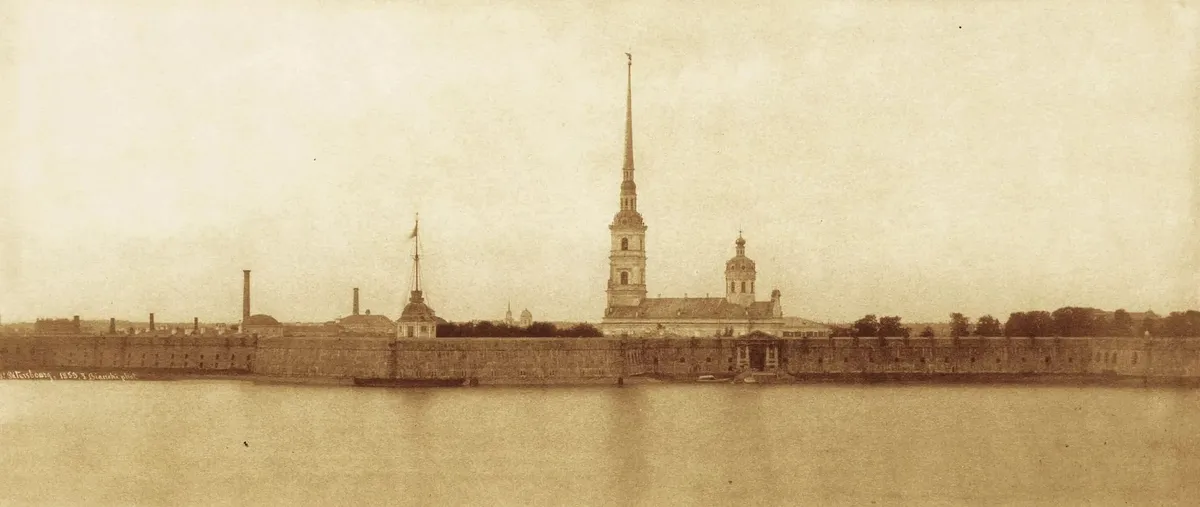
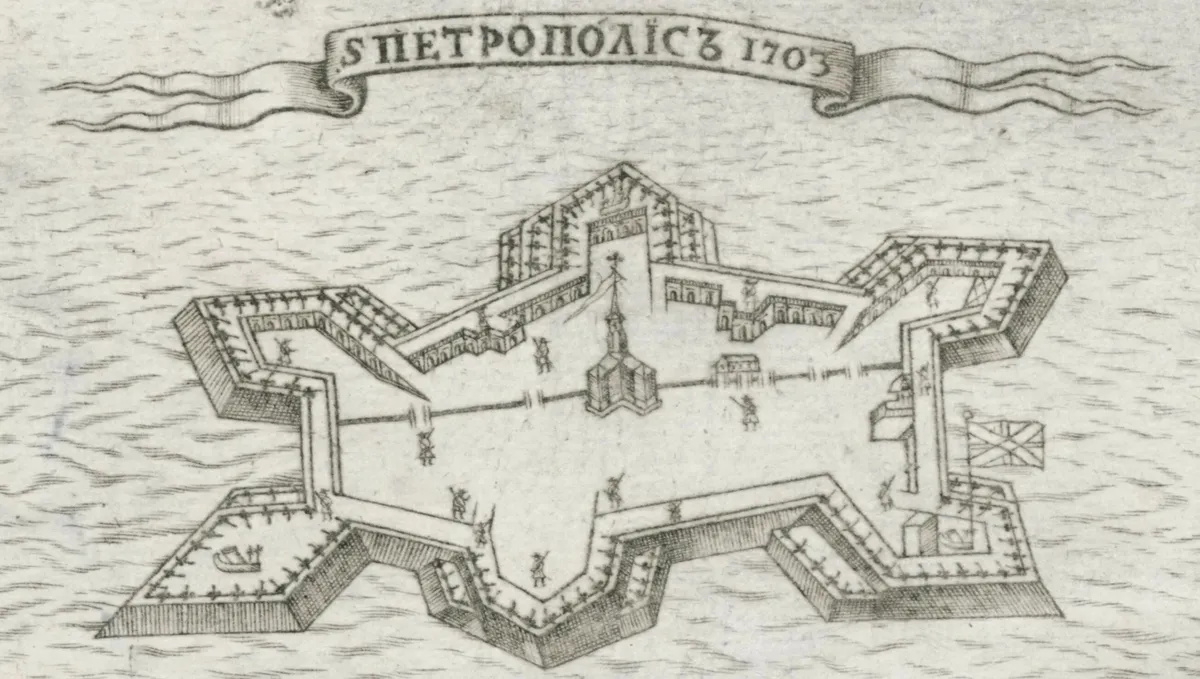
The modern chronology of St. Petersburg formally begins on May 16, 1703, a historic date on which the first stone was laid for the construction of the Peter and Paul Fortress at the insistence and under the strict design of Tsar Peter I the Great. According to court memoirs, the monarch longed for the new city to assume the role of political, commercial, and cultural capital of the nation, rising under the aesthetic concept of a "new Rome" or a Venice of the North that embodied the power of the State and the enlightened influence of Western Europe; a monumental vision that more than justified all the hopes of the great ruler.
Initially, the walled enclosure was founded with an immediate military defensive purpose: to consolidate absolute control over the currents of the Neva River and the Bolshaya Nevka canal, given the military circumstances of the era.
The Northern War: Access to the Baltic Sea
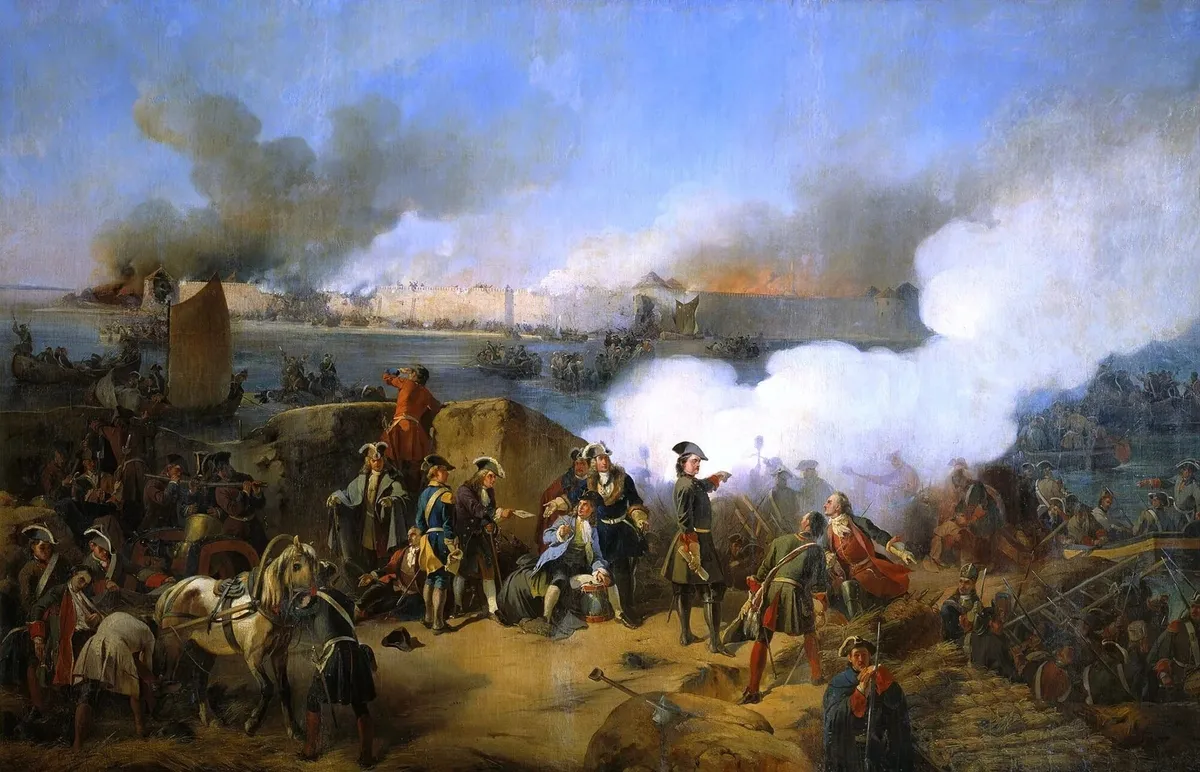
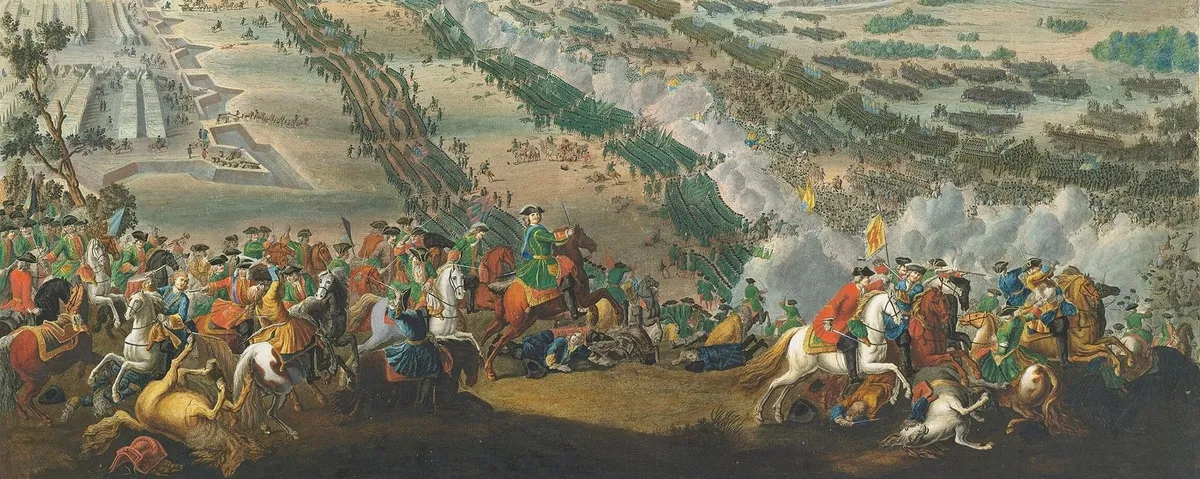
As a direct result of the bloody Northern War, fought between 1700 and 1721 between the Swedish Empire and the allied northern European powers, the Russian Imperial Army managed to conquer the Neva Valley from Swedish hands. On this newly rescued swampy territory, the foundations of the new capital of the rising Russian Empire were meticulously settled, definitively opening a "window to Europe" and providing its navy with direct maritime trade routes with Western powers.
The Birth of the Imperial Capital and Its Nominal Transformations
St. Petersburg was officially invested as the capital of Russia in the year 1712, a cycle in which, by royal decree of Emperor Peter the Great, the royal court, ministries, and the most important government bodies were transferred en masse from Moscow to the new civil dependencies on the banks of the Neva. Peter I thus operated a declarative and historical shift that moved the country’s center of gravity toward the West, injecting entirely novel state, cultural, architectural, and social models for the Russians of the early 18th century.
The nominal physiognomy of the metropolis experienced drastic alterations as the winds of international politics changed:
- St. Petersburg (1703): Originally baptized in honor of the holy apostle Peter, consecrated as the patron protector of the town. At first, only the fortress bore the name, later extending to the civil fabric. Popularly it is called Petersburg, or short as Peter.
- Petrograd (1914): At the outbreak of the First World War, Tsar Nicholas II Russified the name to eliminate the German phonetic resonance (burg) in the midst of the conflict against Berlin.
- Leningrad (1924): Just five days after the death of V. I. Lenin, founder of the Soviet State, the Soviet authorities renamed the city in his memory.
- St. Petersburg (1991): On June 12, 1991, coinciding with the collapse of the USSR, a referendum and a public social survey were called; more than half of the residents voted firmly to return the historic and original name to the city, a ruling that came into force on September 6 of that same year.
The Storm of World War I and the Bolshevik Outbreak
On August 1, 1914, following the Sarajevo crisis in the Balkans, the German Empire formally declared war on Russia, plunging Petrograd into the epicenter of the First World War. With a civil society deeply fractured between the bourgeois factions that supported the military campaigns and the workers’ committees that firmly opposed the conflict, the internal stability of the capital crumbled. By 1915, inspectors recorded more than 125 simultaneous mass strikes in the city’s factories, with the active participation of up to 130 thousand striking workers.
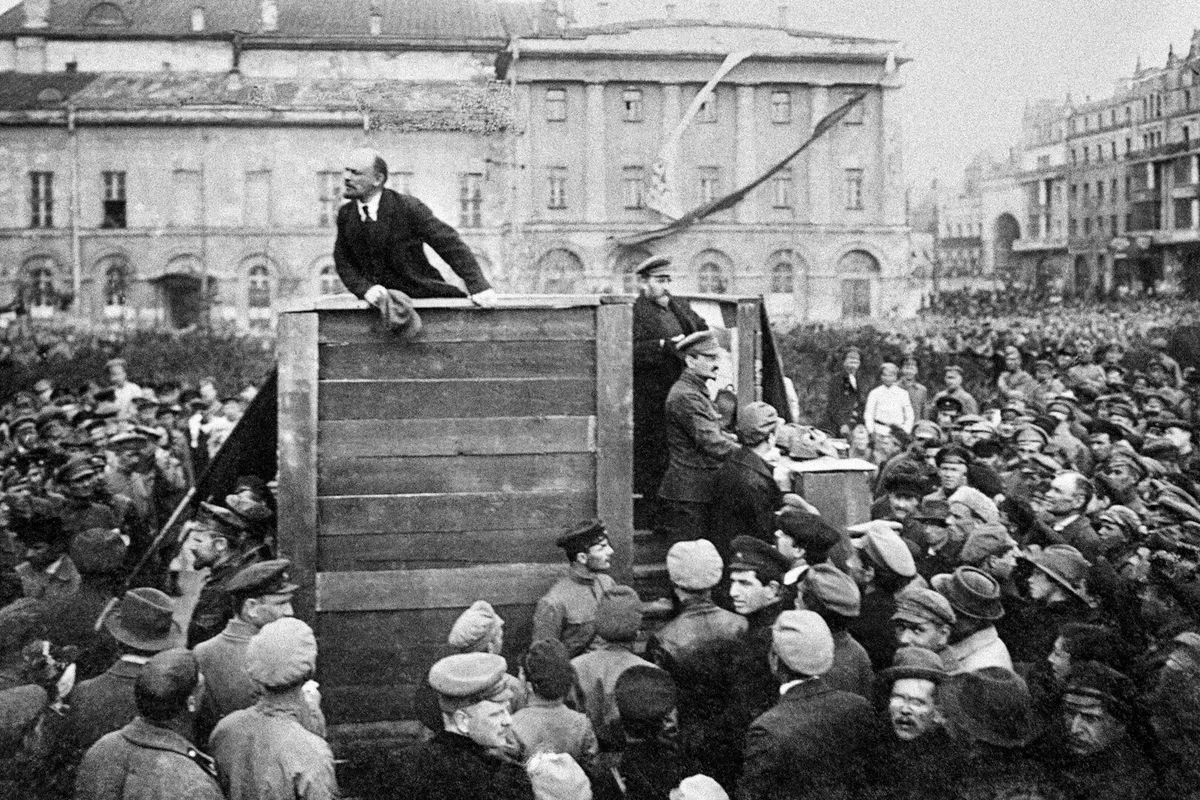
The combination of civil discontent with the Tsarist autocracy, famines, and disastrous results on the military front signed the regime’s sentence: in February 1917, Emperor Nicholas II was forced to sign the act of abdication from the royal throne.
As a domino effect, the Soviet of Workers’ and Soldiers’ Deputies was constituted in Petrograd, living in a fragile dual power alongside the bourgeois Provisional Government. The subsequent return of the exiled leader V. I. Lenin to the city’s Finland Station accelerated the revolutionary process.
Lenin’s brilliant, constant, and energetic agitation orchestrated the armed uprising of October 25, 1917, a date marked in universal history as the Great October Socialist Revolution, which definitively transferred State power into the hands of the Bolshevik Party.
The Martyrdom of Leningrad: The 872 Days of the Nazi Siege
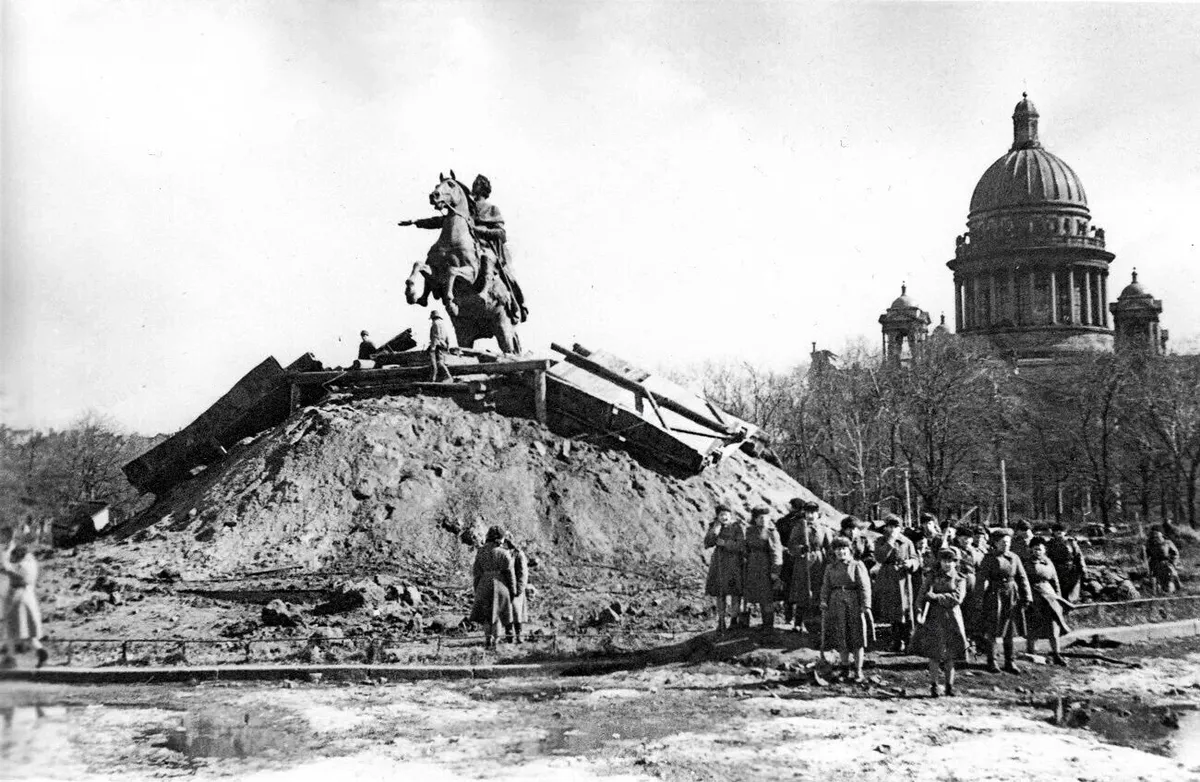
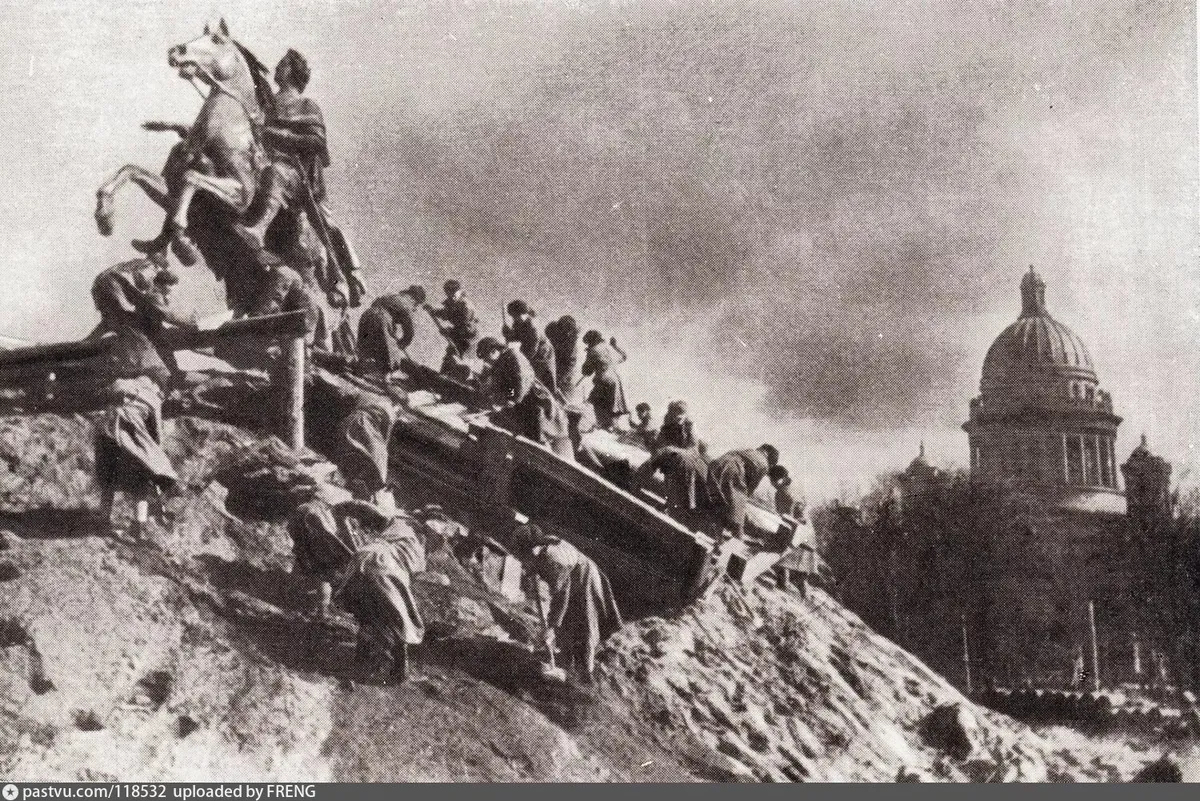
The Soviet Union was forced to enter the Second World War on June 22, 1941, following the German invasion. The divisions of the Wehrmacht advanced rapidly toward the north, surrounding the city’s borders from September 8, 1941. This marked the formal beginning of the Siege of Leningrad, one of the cruelest, most prolonged, and devastating sieges ever recorded in human history, extending over a martyrdom of 872 days.
From the early stages of isolation, there was not enough food or fuel in the city for long-term isolation. The only contact with the rest of the world was through Lake Ladoga, but even this could not always help the besieged city. A general famine began which, under the cold winter conditions of the first years of the siege, turned into a true catastrophe.
The siege lasted until January 1944, leaving a toll of more than 1 million deaths. During the Leningrad-Novgorod operation, the enemy was forced to retreat 220-280 km from the southern borders of Leningrad; this gave a breath of air to the dying northern capital and inspired hope in the hearts of the townspeople.
January 27 marks the day the siege was lifted. For the heroism shown by the brave defenders of besieged Leningrad, on May 8, 1965, the city solemnly received the status of Hero City.
The City in the Soviet Era: Part of Its History
- After the destruction suffered during the war, the most bitter era in the history of St. Petersburg, a large-scale rehabilitation of the city began. In September of the same victory year against the Nazis, 1945, the peaceful academic year started and the concert season began at the Philharmonic.
- Five years after the end of the war, the Kirov Stadium began to operate. A year later, a major plan for the development of Leningrad was officially adopted.
- New urban projects began to be reconstructed: Lenin and Kalinin squares, Engels and Stachek avenues, Primorsky and Sredneokhtinsky avenues. The following year, Pulkovo Airport began to receive its first flights.
- On November 5, 1955, the Leningrad Metro was inaugurated.
- The country’s first Eternal Flame was lit on the Field of Mars in memory of the brave fighters. From the city’s shipyards and for the first time in the world, a nuclear-powered icebreaker with the proud name of "Lenin" was launched, and the Kirov plant began to produce the famous Kirovets tractors.
- The year 1960 was marked by the inauguration of the Memorial to the Victims of the Siege.
- In 1990, the center of Leningrad had the honor of being included in the list of UNESCO World Heritage sites.
St. Petersburg in Our Days
With the collapse of the USSR, the name of St. Petersburg was recovered.
The 1994 Goodwill Games became a major event for St. Petersburg. They were opened at the Kirov Stadium by President Boris Yeltsin.
Since 1997, an economic summit has been held, which is also called the "Russian Davos." And in 2006, the G8 summit took place in Strelna.
Every year millions of tourists flock to St. Petersburg by all means: airplanes, high-speed and classic trains, via highways, and thousands of cruise ships that dock each year in the city’s ports.
Palaces and museums today have recovered the brilliance and glamour that the war took from them but could never erase from the memory of its people and historical books.
In the following articles, we will give all visitors to the city of St. Petersburg detailed recommendations in a 5 out of 5 format:
- Discover the luxury of the tsars and their estates in: 5 Palaces and Parks in St. Petersburg
- Explore the most fascinating art collections and rarities in: 5 Museums in St. Petersburg
- Admire the majesty and architecture of sacred art in: 5 Cathedrals in St. Petersburg
- Enjoy the botanical Eden and geometric pathways in: 5 Gardens of St. Petersburg
- Feel the cultural pulse of theaters and signature palaces in: 5 Unique Places in St. Petersburg
Traveling to St. Petersburg
You cannot travel to Russia without a visit of several days to the city of St. Petersburg, the Venice of the North, the European capital, and the most beautiful city in Russia.
With our English-speaking guides in St. Petersburg, we will ensure very interesting itineraries that will take you to the places of interest and discover all aspects that anyone who wants to travel to Russia desires to see and enjoy.
Contact us to prepare your travel plan to Russia.
Do you wish to delve into the chronicles of the Peter and Paul Fortress and traverse the imperial avenues of the Venice of the North with a VIP service in your language? Let us design your gala itinerary. Contact our official English-speaking guides directly or explore the art of the region in our exclusive Private Tours Catalog in St. Petersburg.