In this chronicle, we formally invite all travelers of great sensitivity who are tracing the lines of their next landing in St. Petersburg to walk a dream itinerary through 5 charming palaces and parks. We propose to walk with solemnity through the same halls where the royalty and the court of the Russian tsars walked, taking giant steps that left an indelible mark on the artistic annals of world civilization.
1. The Hermitage (The Winter Palace)
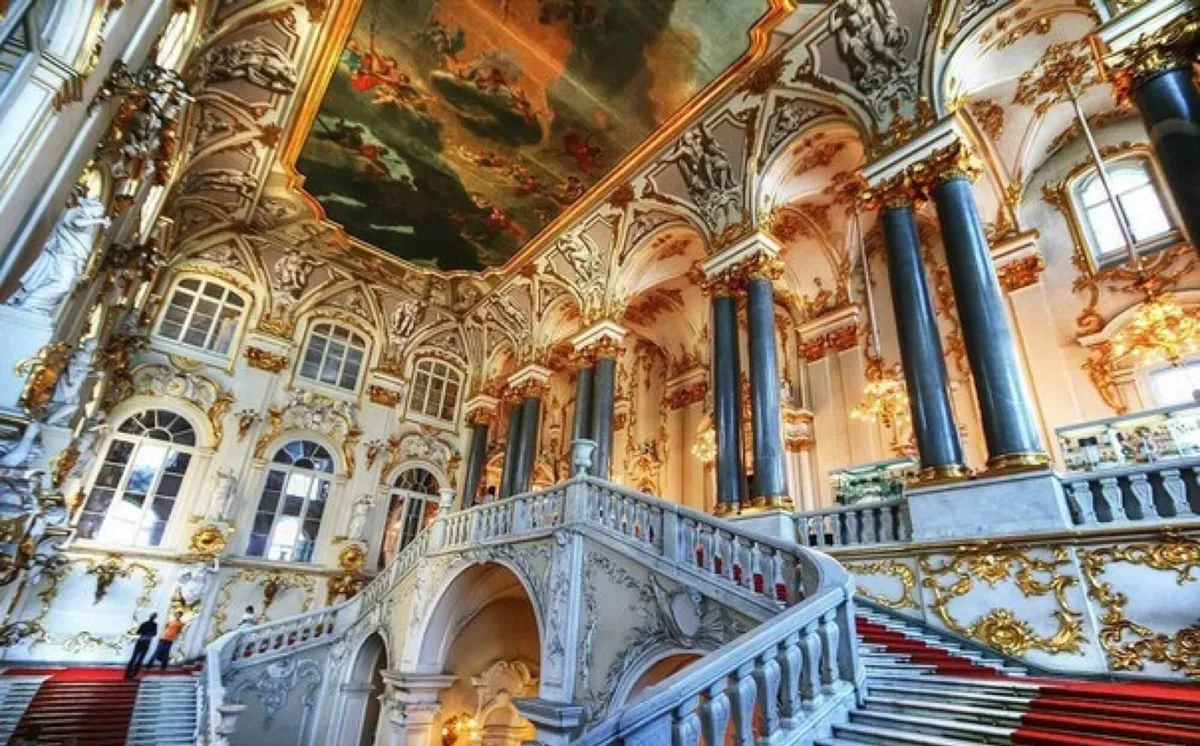
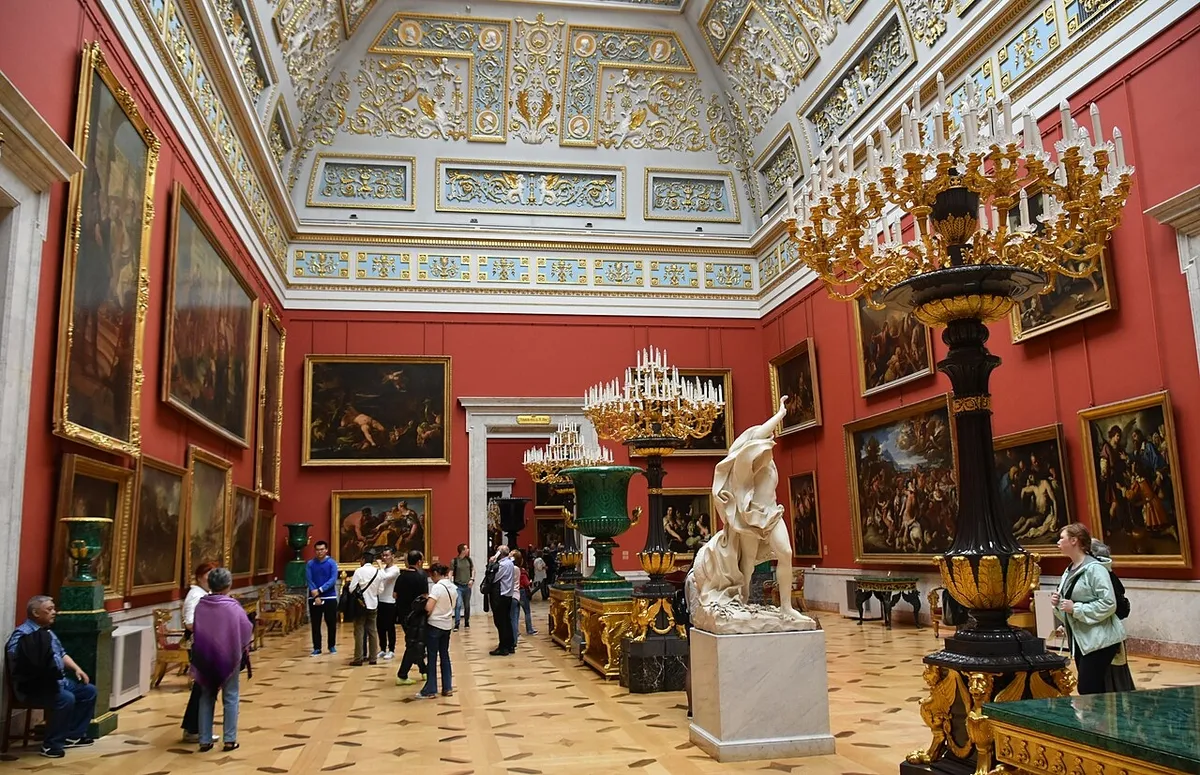
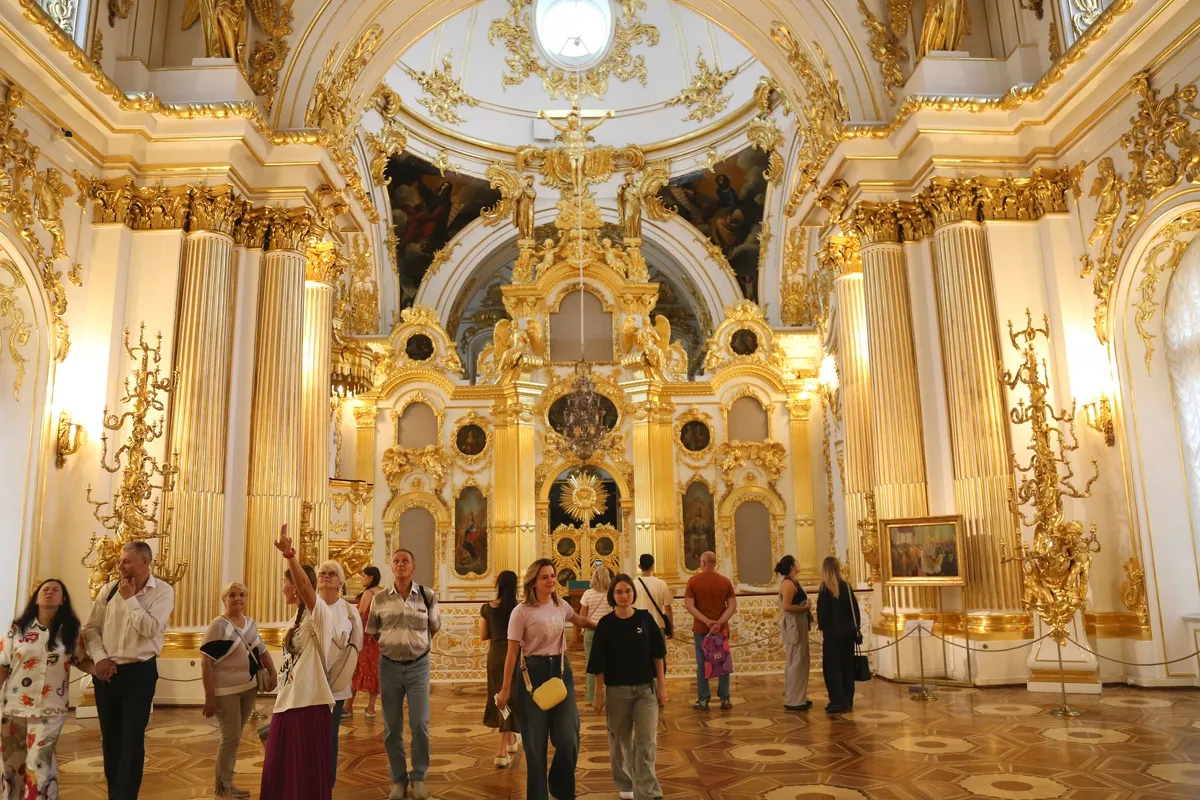
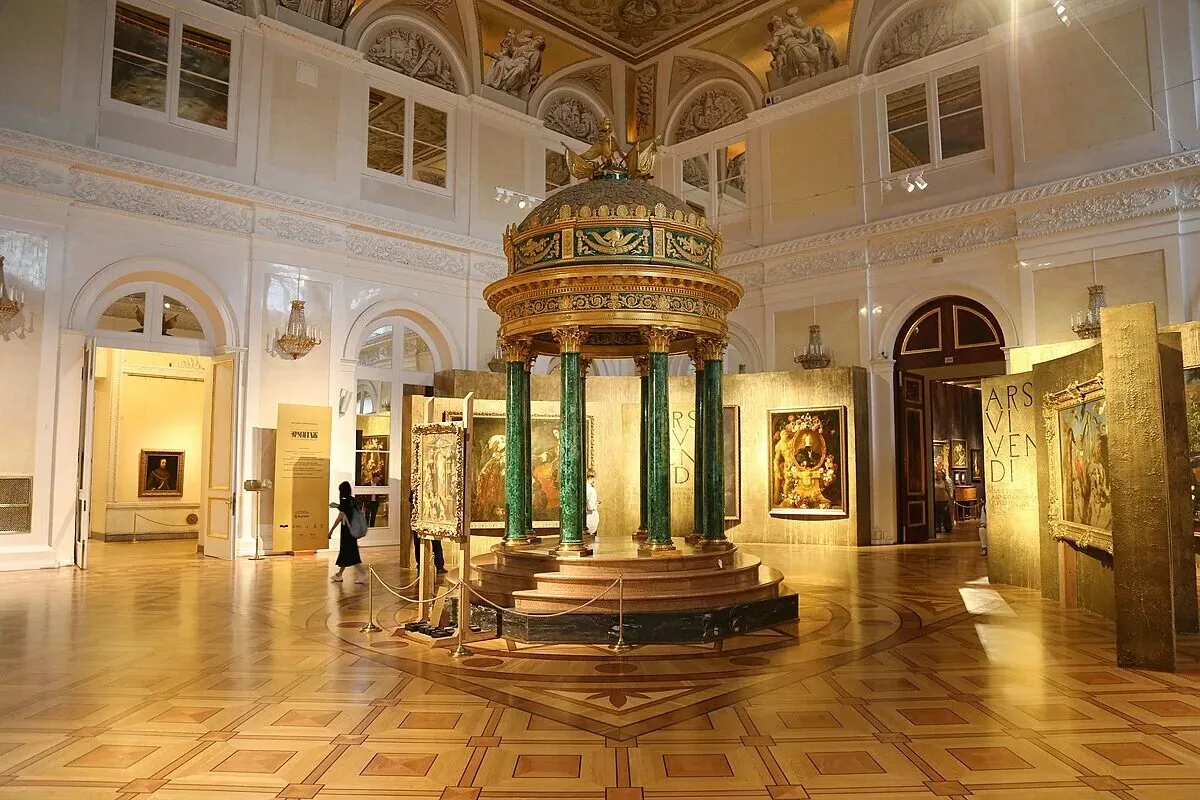
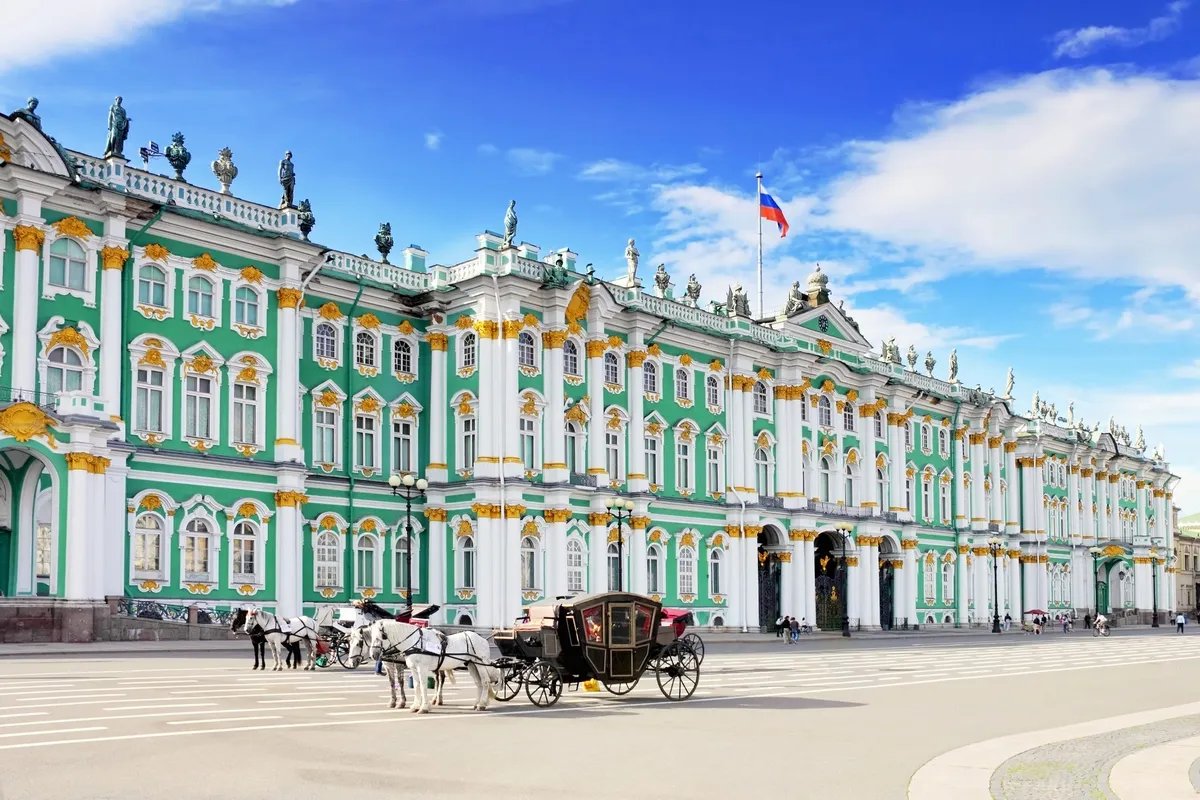
If we found ourselves in the beautiful position of selecting the most crucial, imposing, and iconic corner of all St. Petersburg, we would confer this title of honor upon the majestic Hermitage. We are facing the largest historical, artistic, and cultural complex in the entire Russian Federation. The art gallery operates by simultaneously occupying 6 monumental historical buildings on the banks of the Neva, whose central axis and main crown corresponds to the fastuous Winter Palace, the former official residence of the tsars of Russia.
It is difficult to assimilate in advance that what began 250 years ago as a select private collection of Tsarina Catherine II the Great has transformed today into a cultural temple visited by more than 5 million people a year.
The Hermitage belongs with total legal and artistic legitimacy to the so-called “major league” of the planet’s museum treasures. The depths of its halls safeguard a truly colossal figure exceeding 3 million authentic exhibits.
Along its galleries paved in noble woods, the visitor can admire crowning canvases by universal masters of the stature of Botticelli, Rembrandt, Raphael, and Leonardo da Vinci, flanked by sculptures sculpted in marble by Michelangelo, Mazzuoli, and Callimachus. Although the assault on the Winter Palace during the revolutionary outbreak of 1917 damaged certain dependencies and the subsequent Soviet market sold iconic pieces, the Hermitage stands unbeatable as a beacon of universal culture.
2. The Monumental Complex of Peterhof
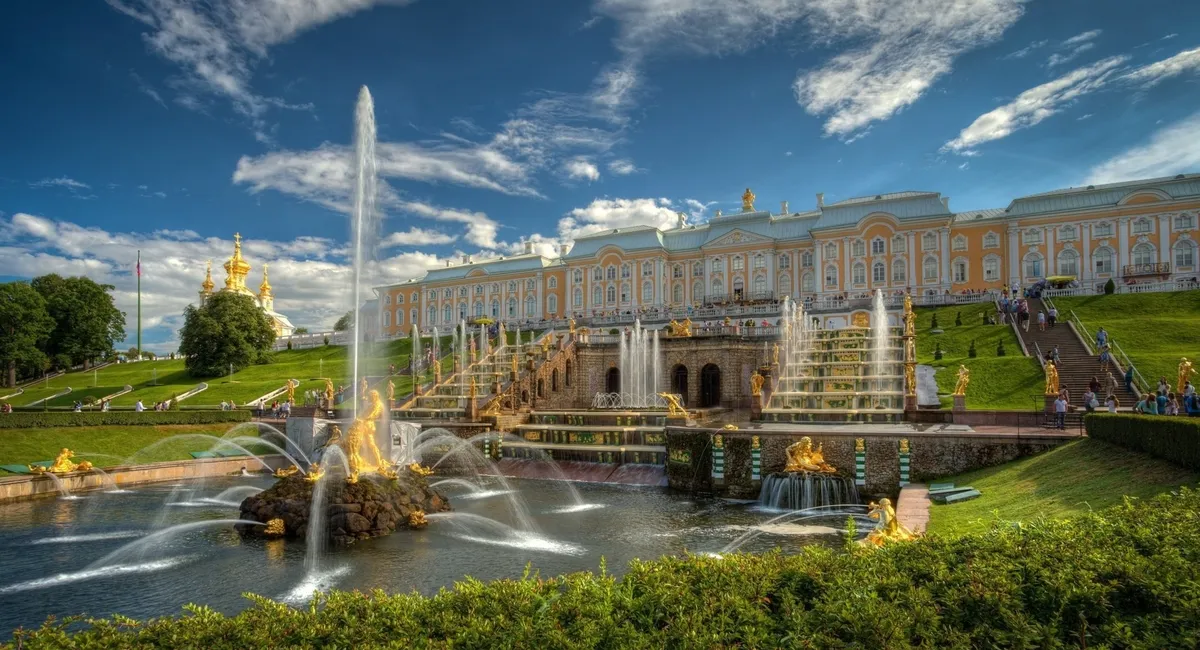
Peterhof stands as the superb country rest residence conceived by Peter I the Great, whose foundation works began just a couple of years after the emperor consolidated control over the Baltic coasts. The complex of the palace and its extensive gardens boasts a fastuous Baroque design, world-famous due to its spectacular and massive system of fountains that captivates millions of annual visitors.
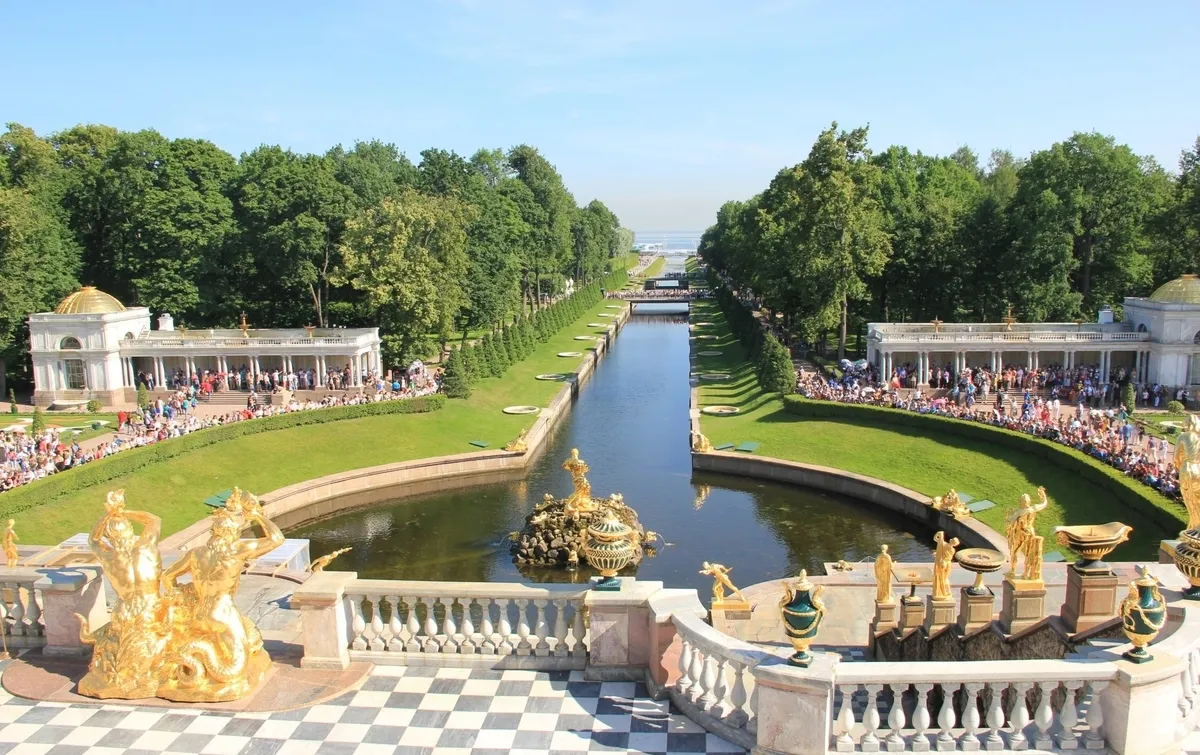
The Lower Park houses more than 150 active fountains, where each piece responds to a signature architectural plan and safeguards an exclusive chronicle. It is documentarily verified that several century-old trees along the tree-lined walks have been preserved intact since the dawn of the 18th century, having been meticulously planted by the very hand of Emperor Peter.
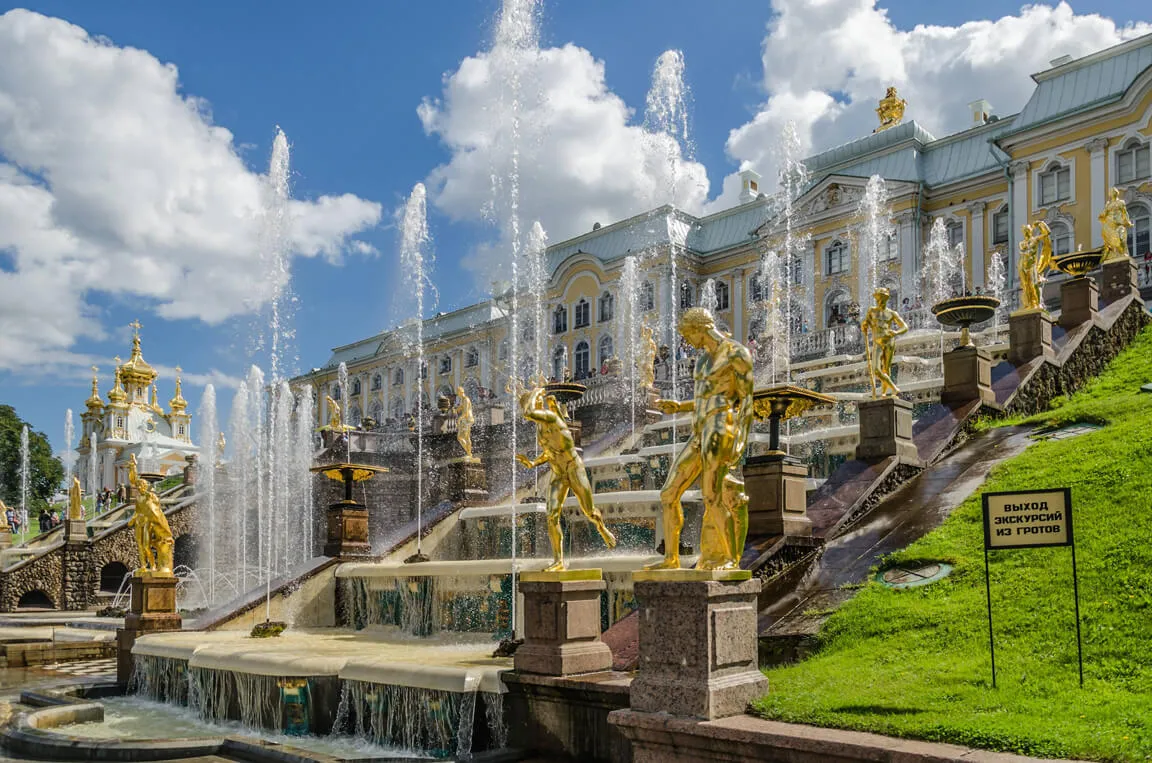
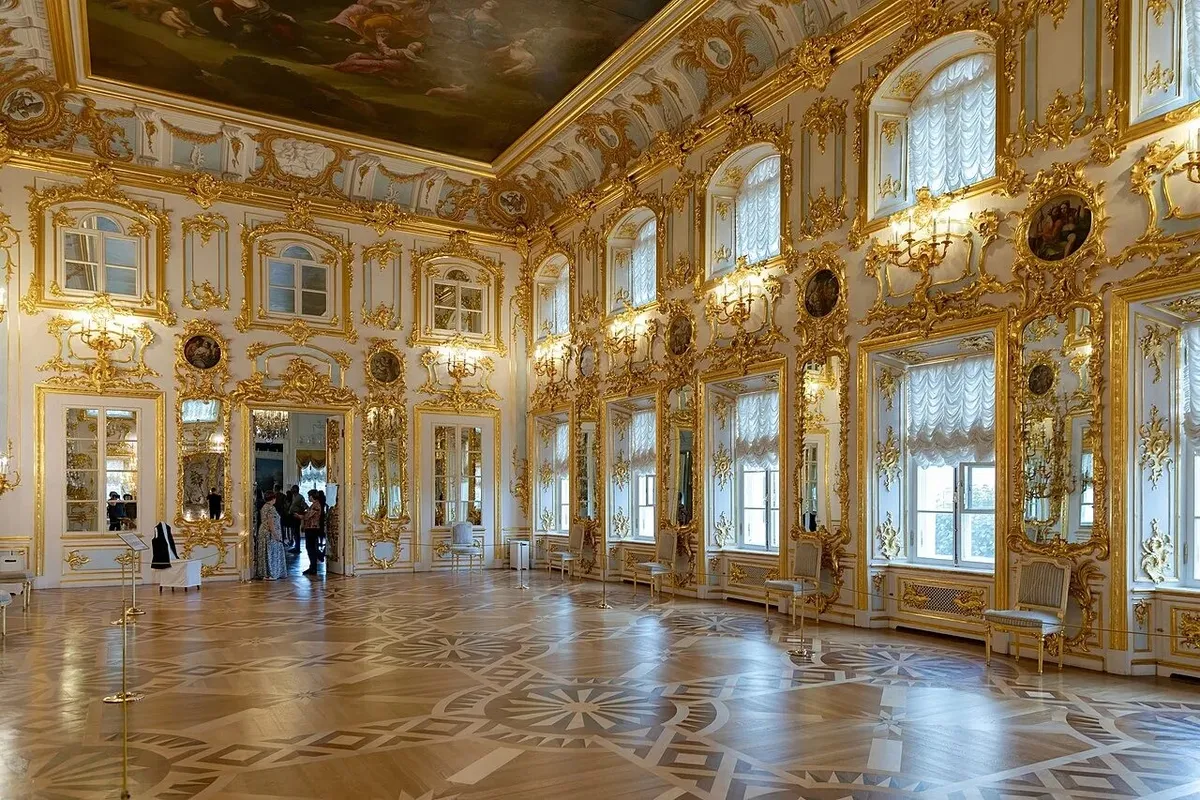
Peterhof impresses the senses with its monumental scale of magnitude and its omnipresent glamour of polished gold; a distinction that bursts forth with every step the traveler takes traversing its Grand Cascades or entering the gala rooms of the palace. The enclosure harmoniously combines sumptuous landscaped alleys, mythological bronze sculptures, and the symmetrical facades of the royal throne, consolidating one of the greatest wonders of Russia.
3. The Palace of Catherine the Great (Tsarskoye Selo)
Russian tsars have gone down to posterity for their inclination toward gifts of unlimited extravagance and sumptuousness. Coinciding with this courtly custom, the wife of Peter I, the future Tsarina Catherine I, received as a gift from her husband a modest rustic country estate in the village of Saar, an enclave that in its beginnings lacked any luxurious bearing.
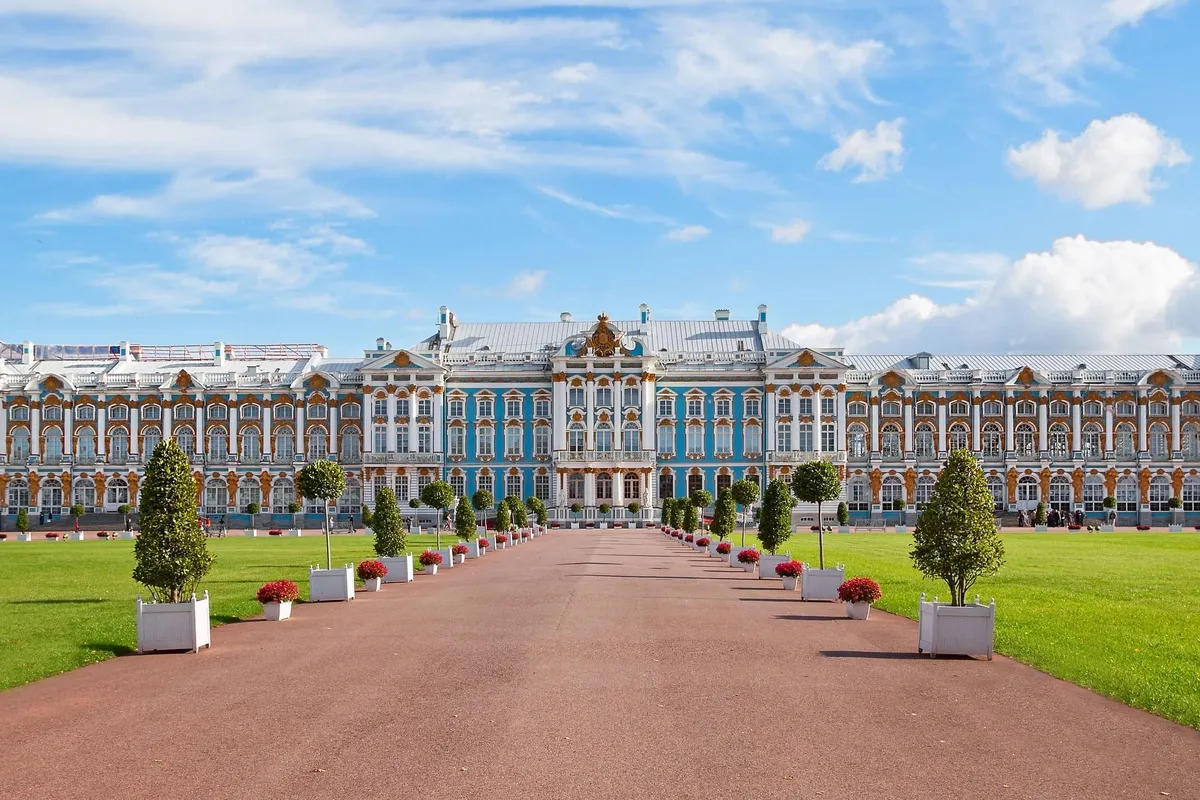
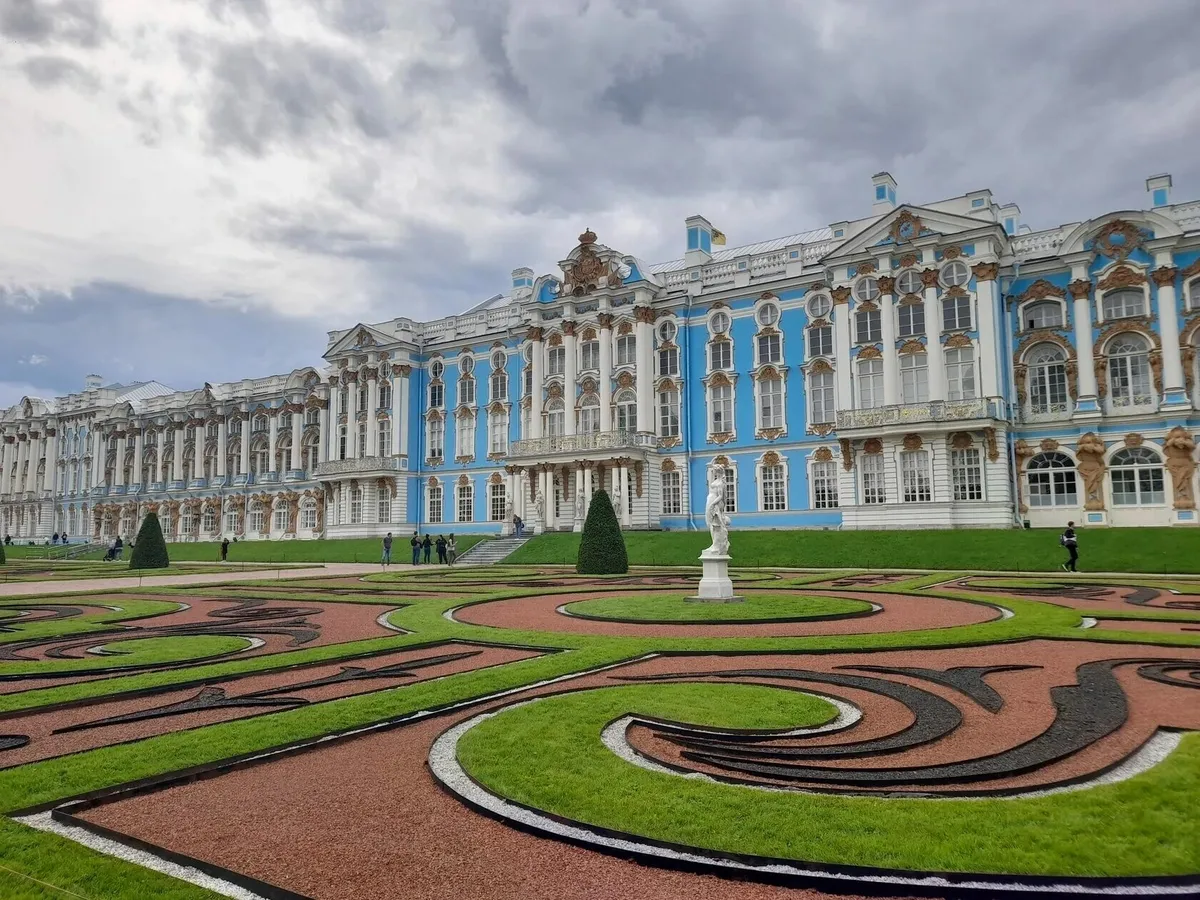
However, over that same subsoil, the colossal Palace of Catherine the Great rose over the decades, acquiring its current baroque and exuberant physiognomy during the mandate of Empress Elizabeth Petrovna, who delegated the works to the architectural genius of Francesco Bartolomeo Rastrelli.
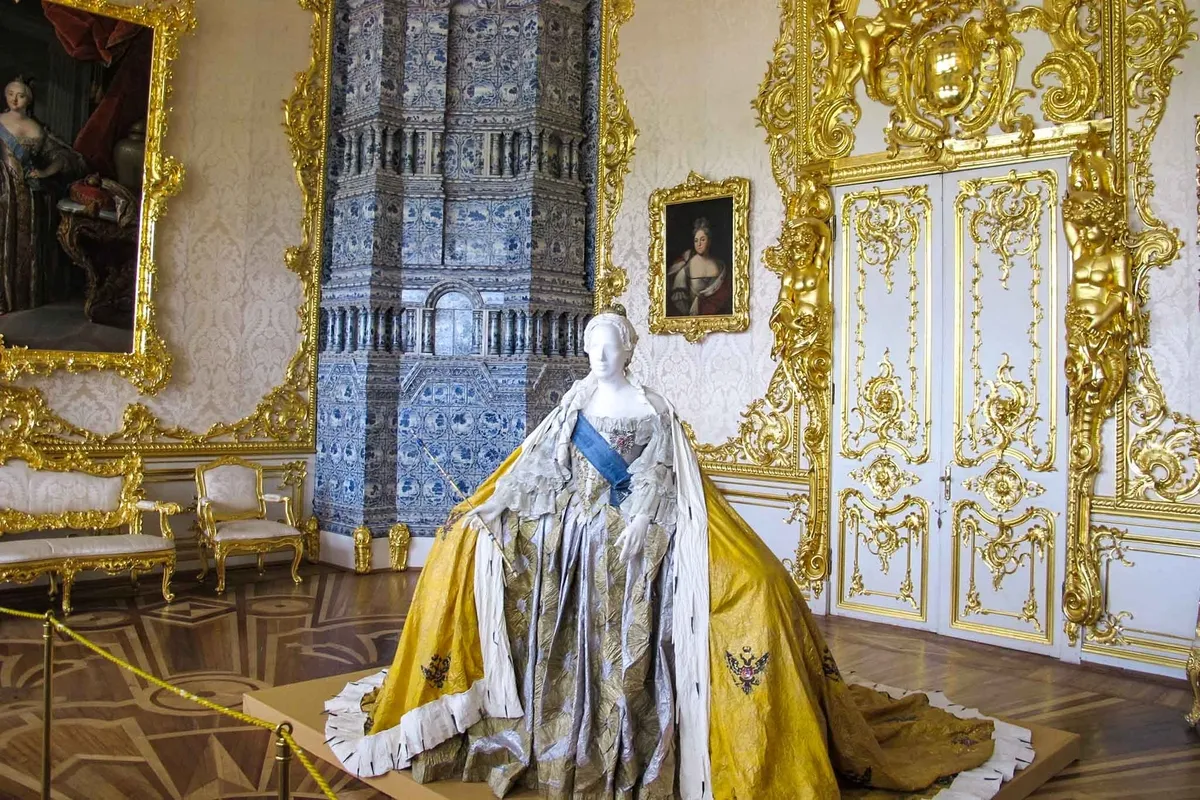
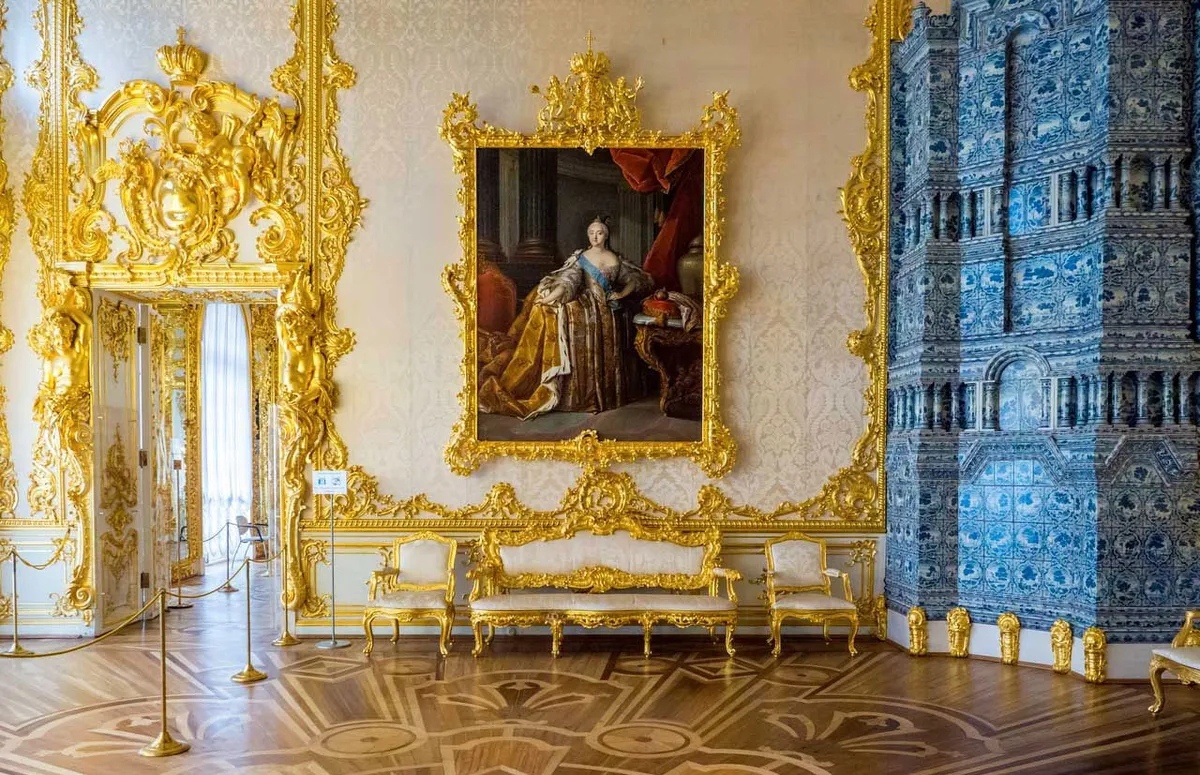
The facade of the building, adorned in celestial blue tones, atlantes, and golden finials, surprises with its ornamental fineness, safeguarding in its interior treasures of absolute world value like the mystical and recreated Amber Room. The adjacent Catherine Park, which acts as the green framework of the complex in Tsarskoye Selo, represents an indispensable landscaped Eden for the traveler. Walking under the shade of its avenues, passersby discover beautiful statues by Venetian masters arranged among calm water ponds, romantic marble bridges, and luxurious baroque pavilions such as the Hermitage or the Grotto, whose atmosphere invites to experience the same stately peace that the imperial couple enjoyed centuries ago.
4. The Alexander Palace: The Last Imperial Refuge
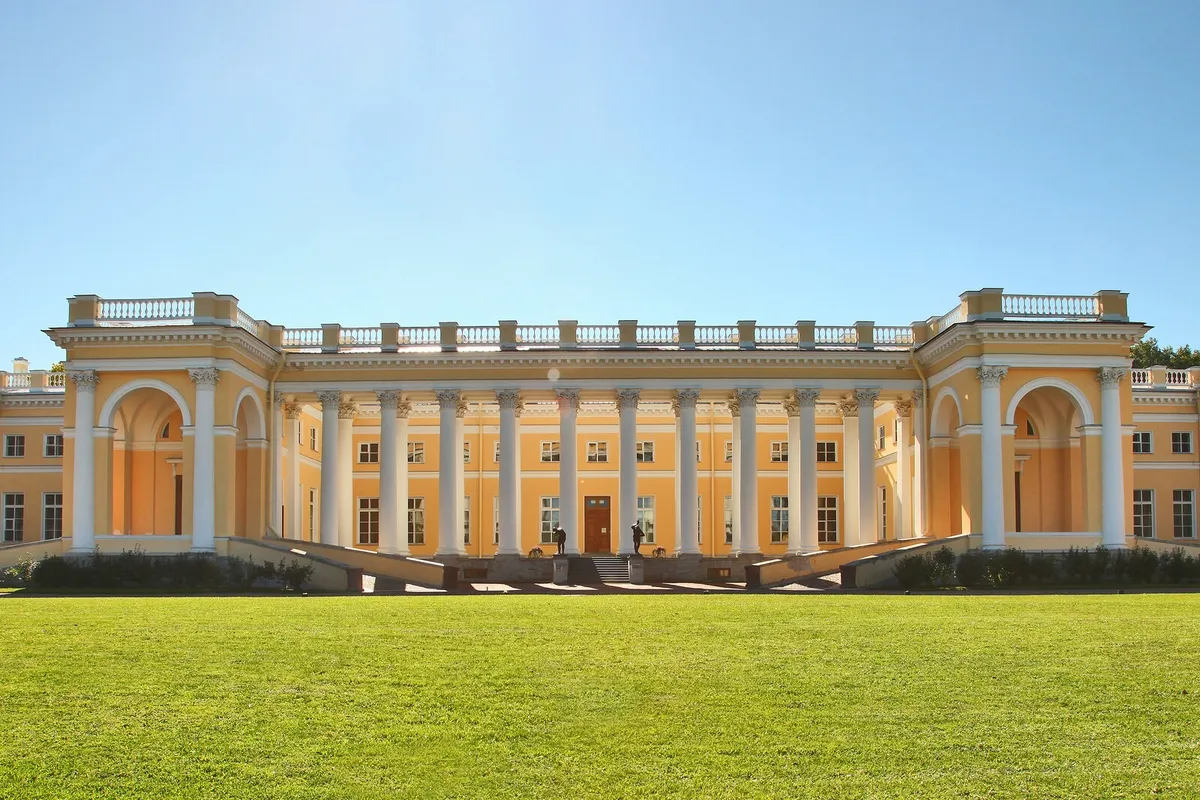
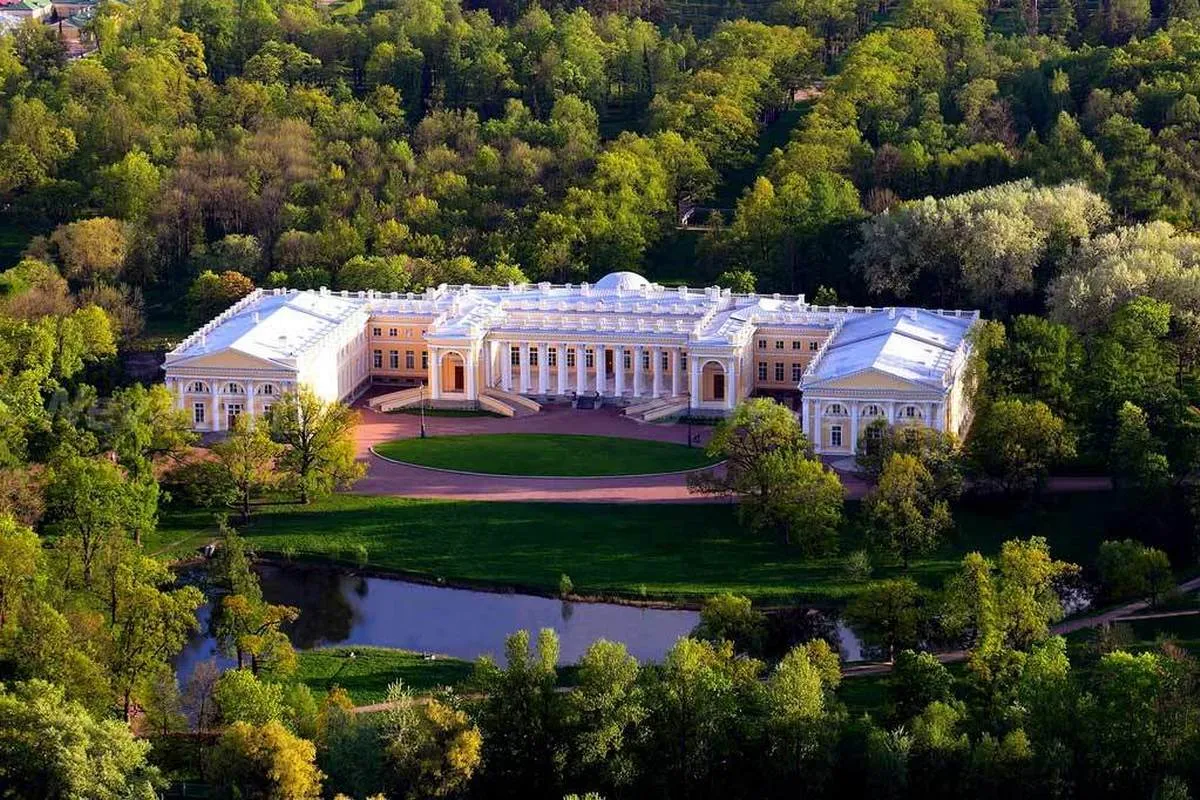
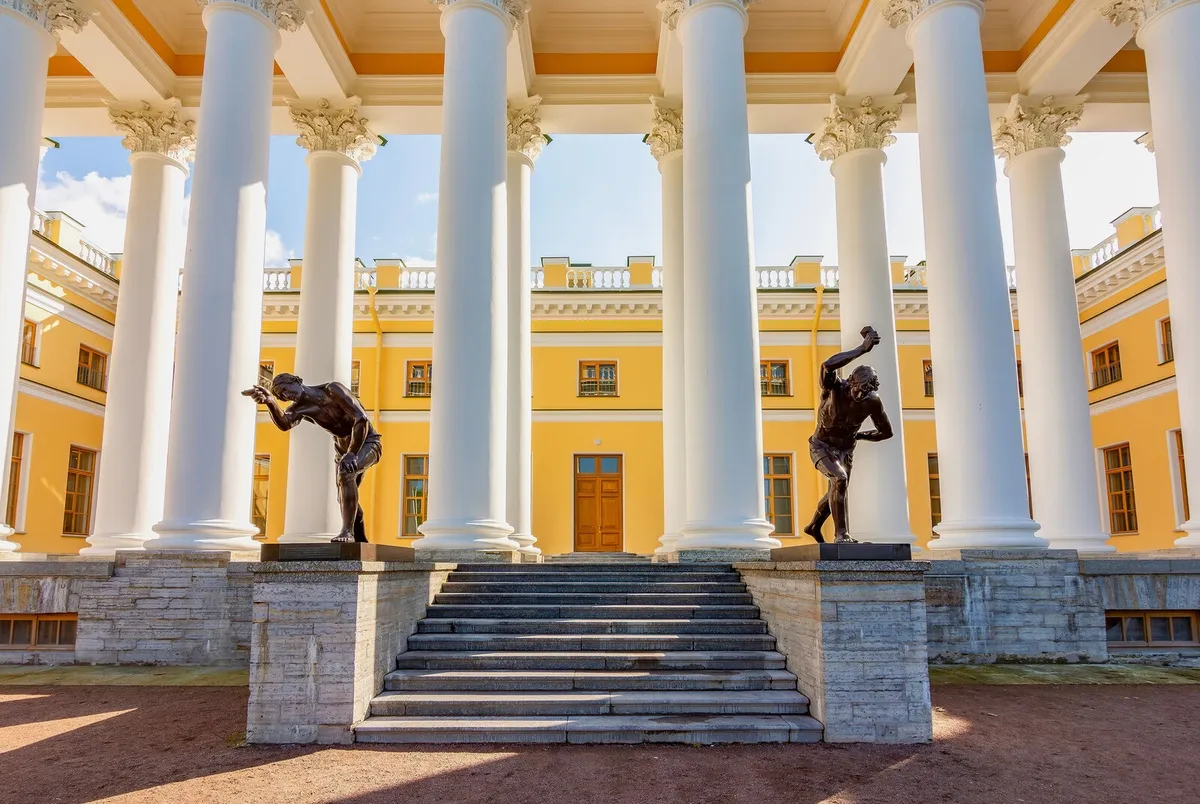
Located in the same stately enclosure of Tsarskoye Selo, sharing forest boundaries next to Catherine Park, unfolds the complex of the Alexander Palace and Park. This sumptuous neoclassical structure of Ionic order possesses an extraordinary emotional and historical weight because it operated as the main residence and intimate home of Tsar Nicholas II and his family during the last decades of the Romanov dynasty.
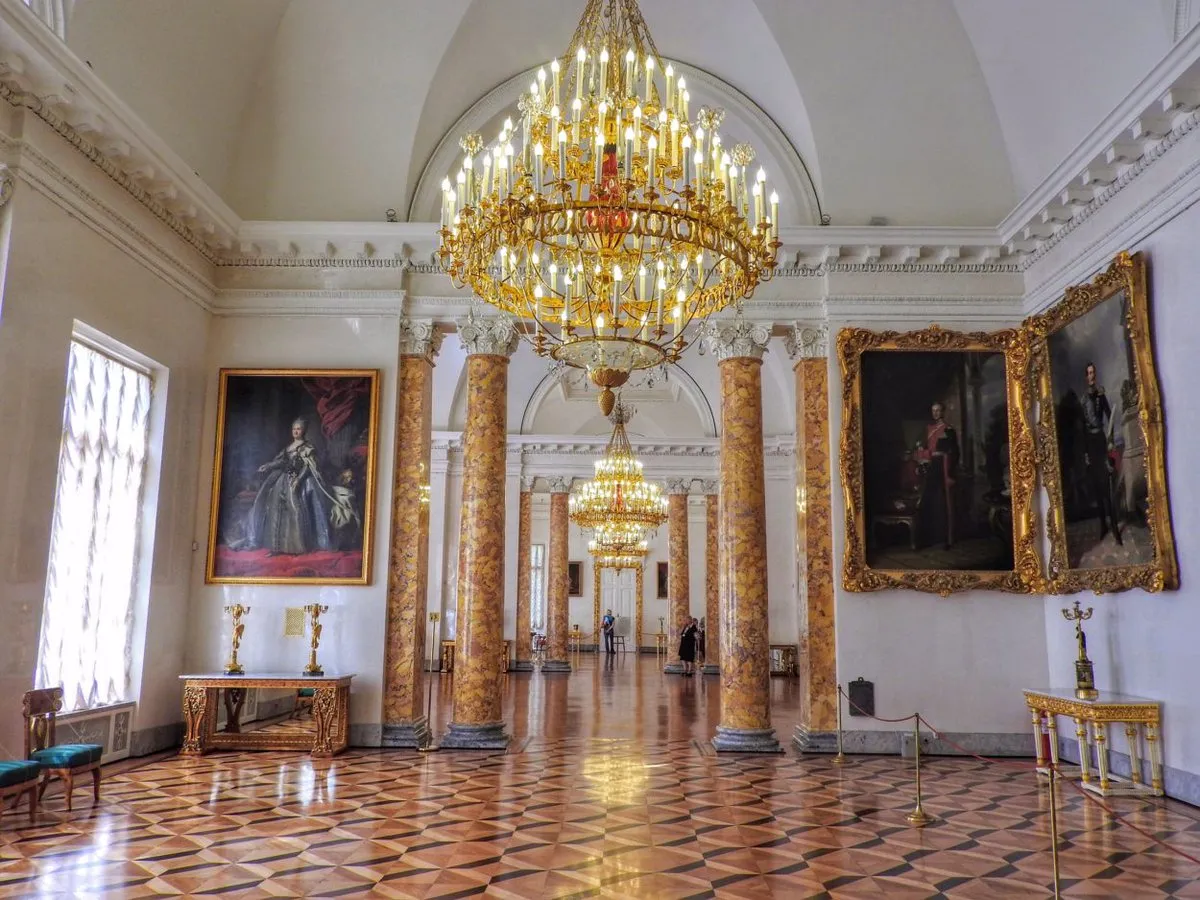
It was in their private lounges where the royal family made their daily life, sheltering from the political hustle and bustle of the capital, receiving preferential diplomatic audiences, and celebrating their most intimate festivities before being placed under arrest and sent into definitive exile in Siberia.
Although the palaces of St. Petersburg rival each other in their quest for monumental sophistication, Alexander Palace stands out from traditional molds by offering a remarkably more liveable, familiar, warm, and elegant design. Its reading rooms and private cabinets safeguard the echo of court secrets. As a curious passage of the branding of the era, Nicholas II presented the tsarina on Easter 1908 with a Fabergé egg of gold and crystal exactly baptized as the Alexander Palace Egg, an artistic miniature that today is exhibited in the Kremlin Armoury in Moscow.
5. The Pavlovsk Palace: Neoclassical Harmony and Nature
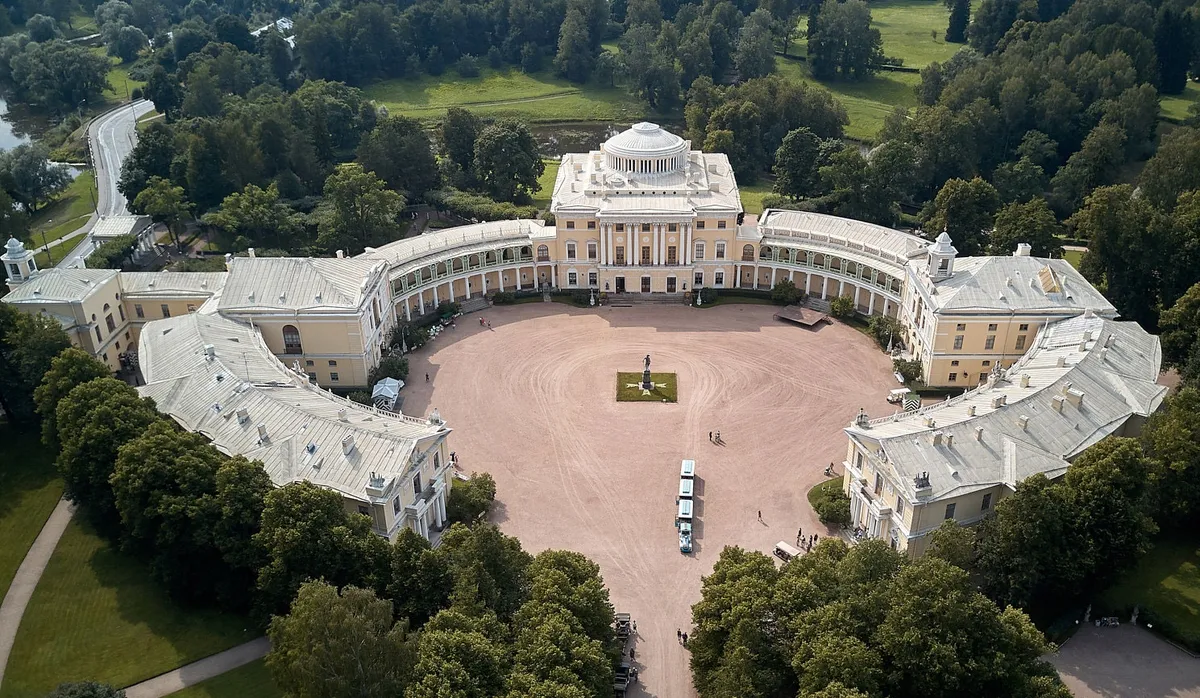
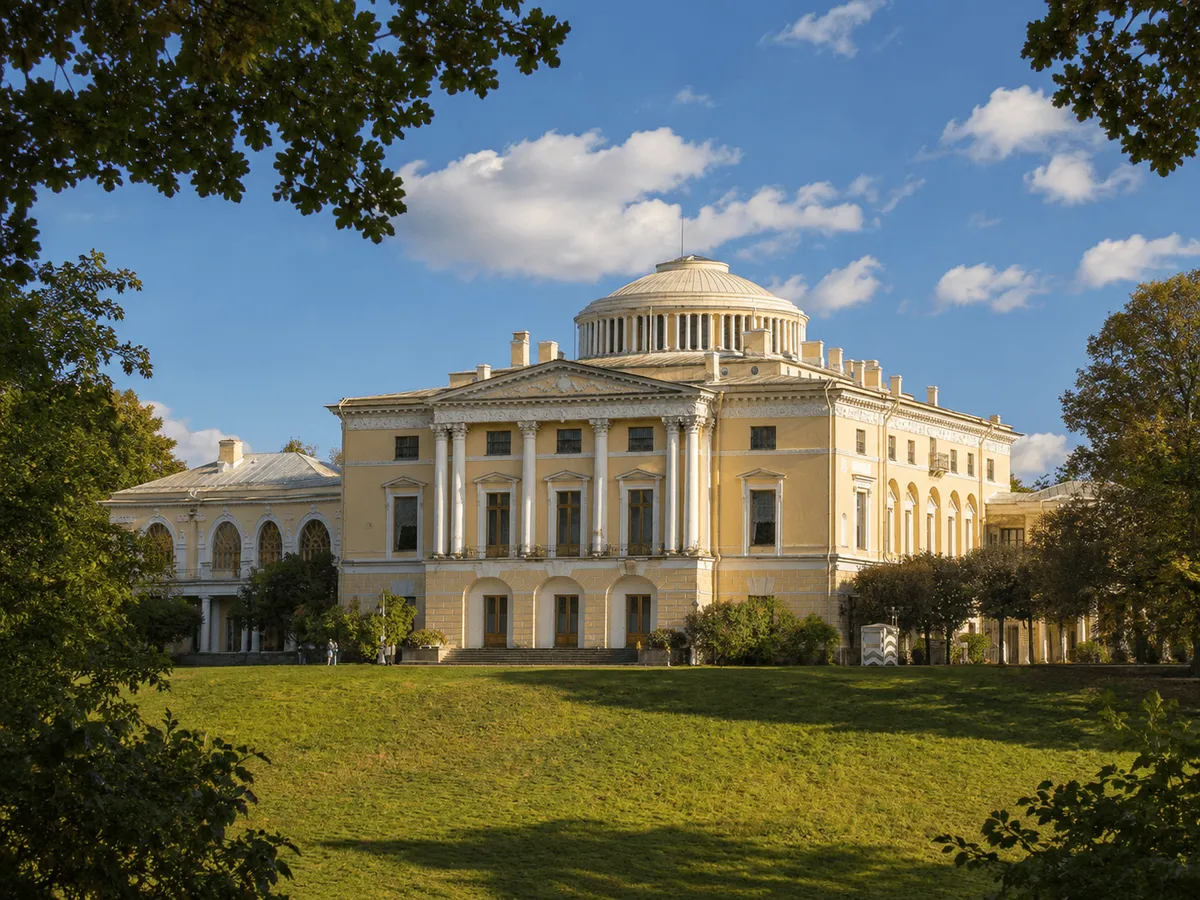
The Pavlovsk Palace represents the pinnacle of idyllic beauty, symmetry, and architectural harmony, rising at the top of a high wooded hill shaped by the course of the Slavyanka River. The monument integrates with total fineness into the landscape of the immense Pavlovsk Park, a landscaped forest of English design of colossal dimensions.
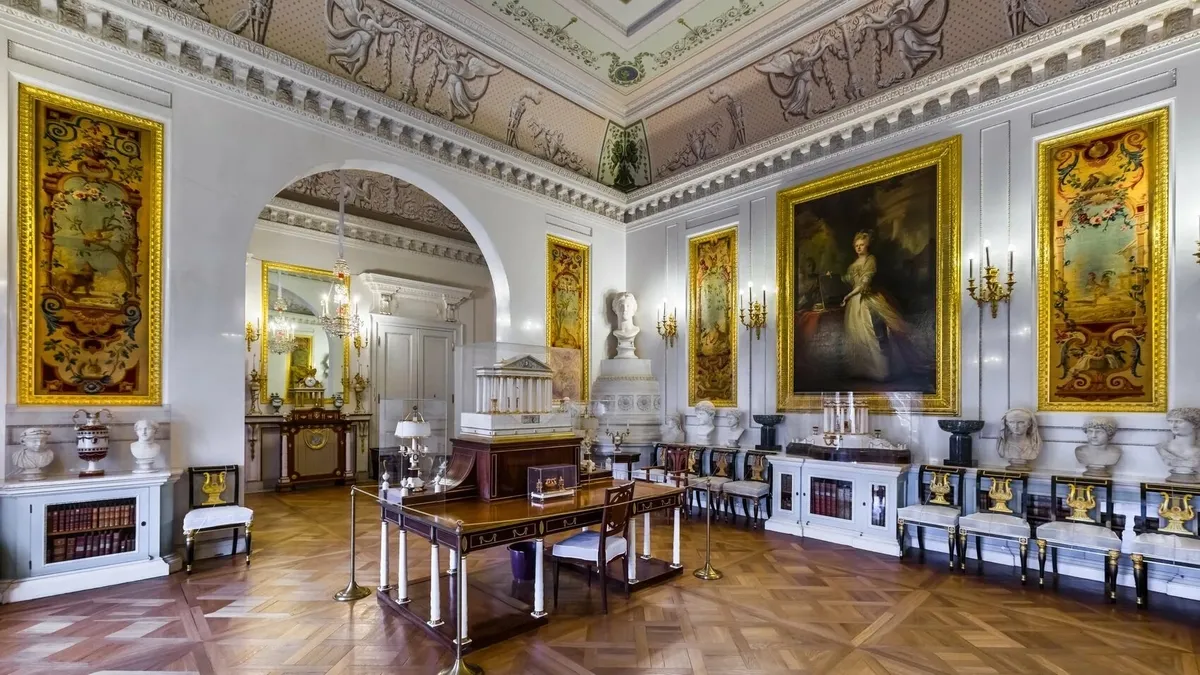
Safeguarding more than 200 years of journey, the palace preserves intact the charms, furniture, and library that the heir to the throne, Grand Duke Paul (future Tsar Paul I) and his refined wife Maria Feodorovna, imprinted on their signature design, directed by the strokes of the brilliant Scottish architect Charles Cameron.
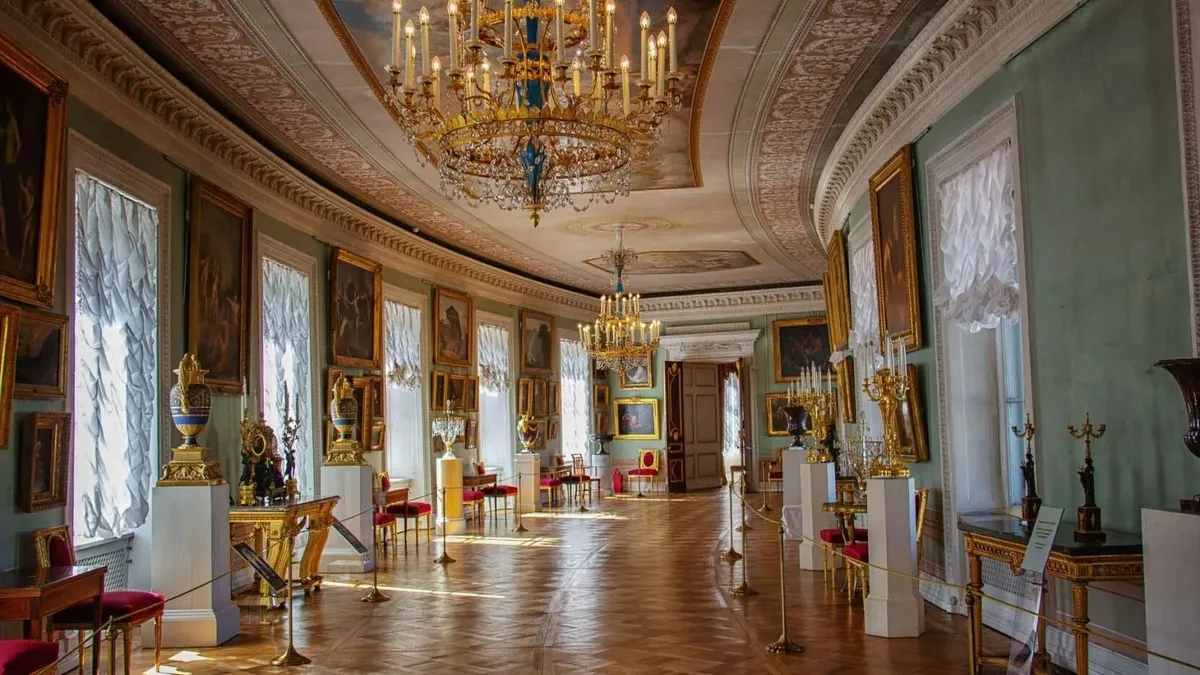
The architecture and interior decoration of the complex clearly reflect the assimilation of classical European art, gathering treasures imported by the couple during their great tours across the continent: fine fabrics from Lyon, venetian rock crystal components, collections of French Sèvres porcelain, and oil paintings by Dutch masters.
The sculptural gallery that gathers marble copies of authentic Greco-Roman statues from the collection of “Apollo and the Muses” of the Vatican, acquired with the validation of the pontifical authorities, stands out with extraordinary value. A sumptuous spatial harmony was thus achieved that few palaces in Europe had the fortune to consolidate. Its stately gardens complete the visual, making each journey translate into unexpected discoveries for the senses.
Traversing the Venice of the North without dedicating several days to exploring these five testimonies of tsarist splendor constitutes an irreparable void for your trip. Having the support, concierge, and accompaniment of certified official guides in your language will transform your walks into a lesson of history, exclusivity, and comfort impossible to forget.
Visiting the Royal Palaces in St. Petersburg
Our tour guides in St. Petersburg will give you all the details to visit some of the palaces alone or in their company.
Do not hesitate to ask us your questions, contact us.
Imperial Collective Connection Pathway
This chronicle of imperial residences, monumental fountains, and aristocratic halls is part of our Baltic historical knowledge network. If you wish to analyze in detail the journeys of Peter the Great or the siege that shaped the city, we invite you to explore our master chronicle: The History of St. Petersburg: From the Window to Europe to the Hero City.