In the monumental city of St. Petersburg, residential palaces, gardens, and imposing cathedrals constitute in themselves true museums where the traveler can come across all kinds of universal artistic expressions.
Beyond the grand traditional structural complexes analyzed in detail in previous chronicles—such as the Hermitage Palace, Peterhof, or the Palace of Catherine the Great—this chronicle delves exclusively into profiling those 5 museums in St. Petersburg strictly consecrated to highly specific, rare themes of exceptional cultural value.
1. The Fabergé Museum: The Jewels of the Imperial Crown
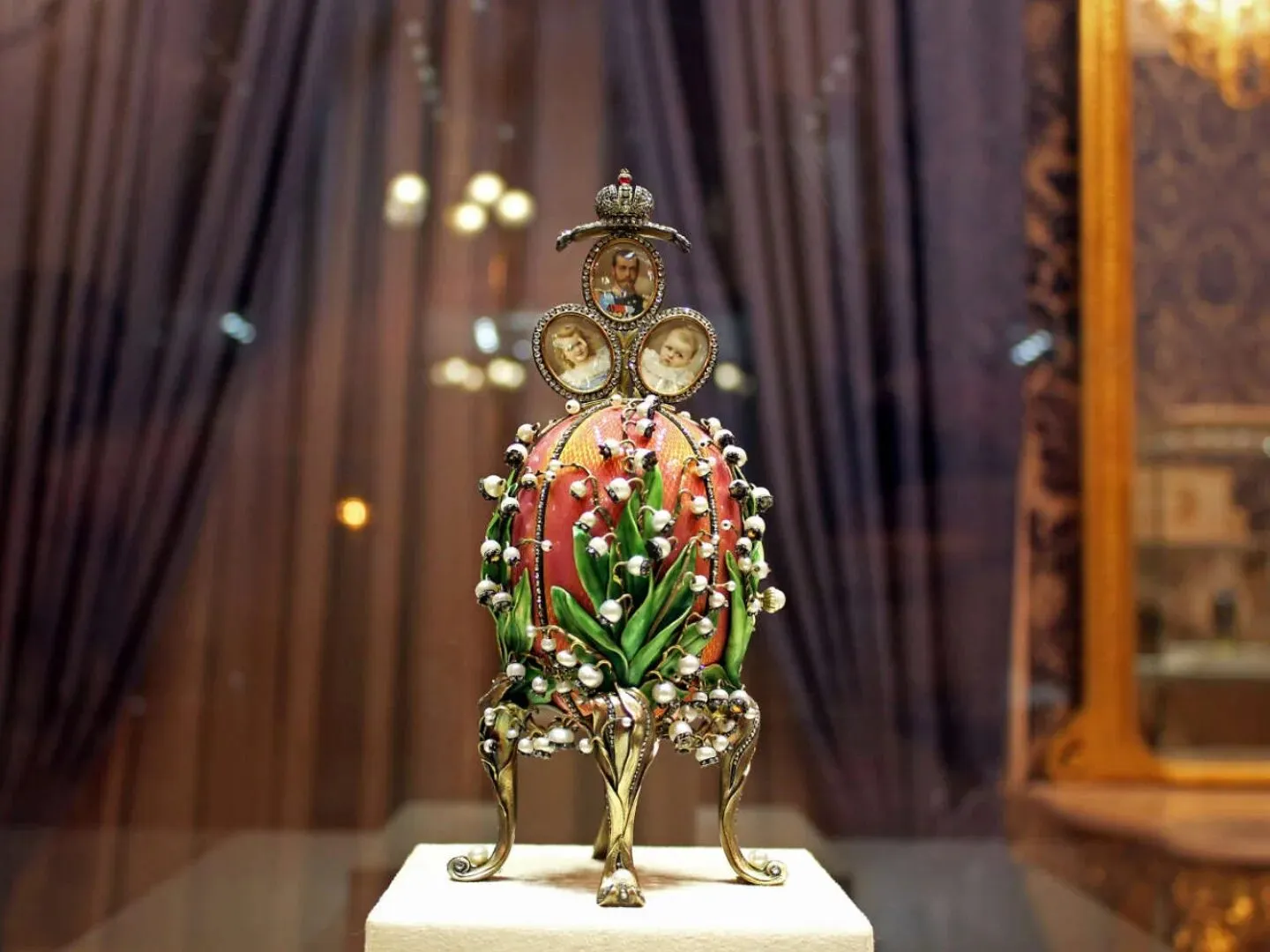
The mythical "Fabergé eggs" have been consolidated for over a century as the undisputed synonym of opulence, wealth, and refined luxury in goldsmithing. These sumptuous and expensive pieces of fine jewelry were masterfully handcrafted by direct commission of the Romanov imperial court. Their creator was the Russian master jeweler Carl Fabergé, who throughout his journey coordinated the production of 71 unique specimens, of which 52 were strictly destined as Easter gifts for members of the royal family.
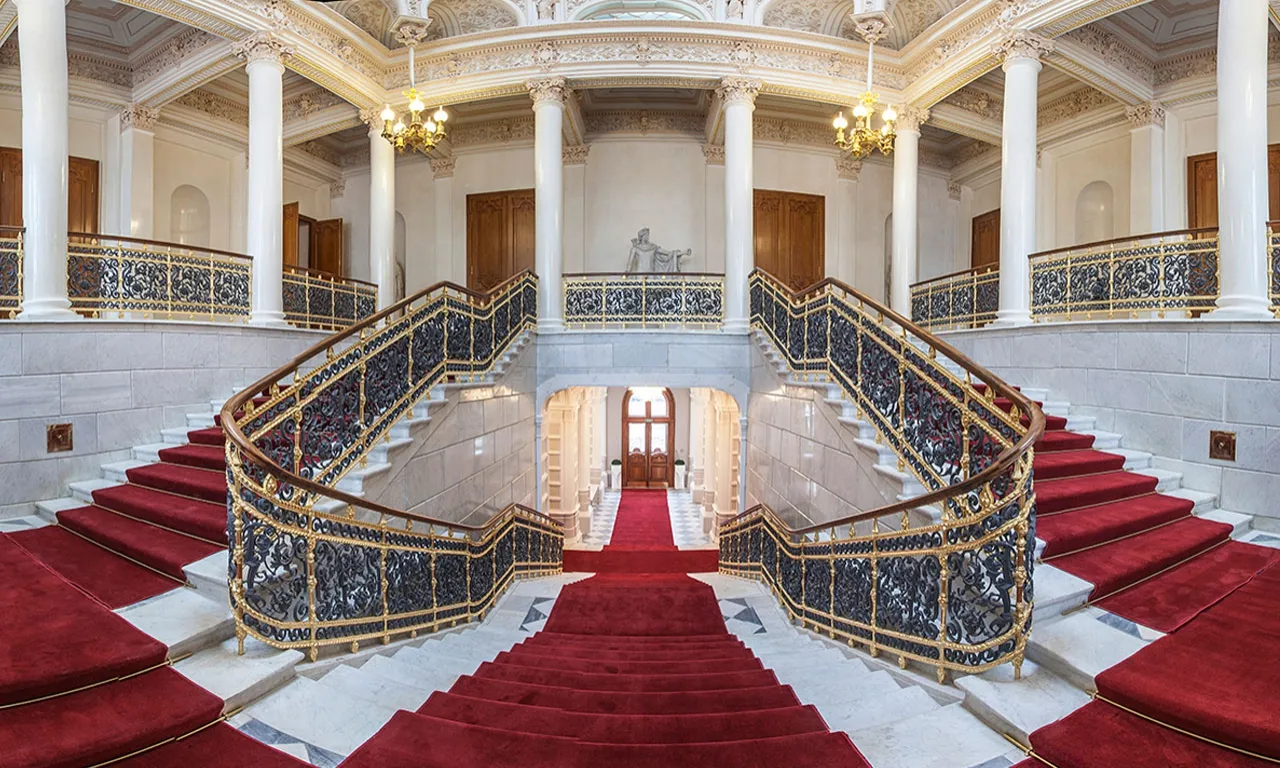
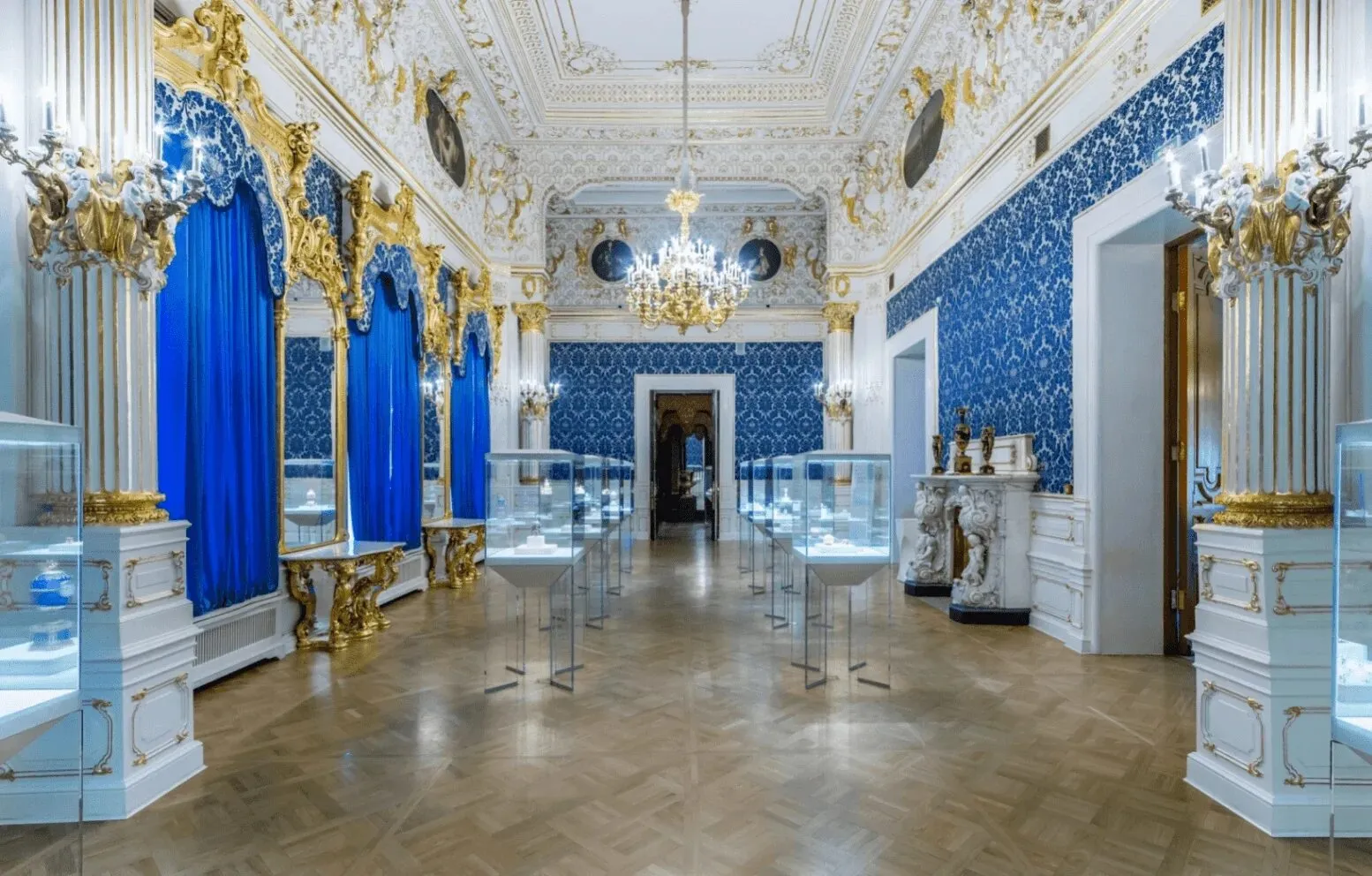
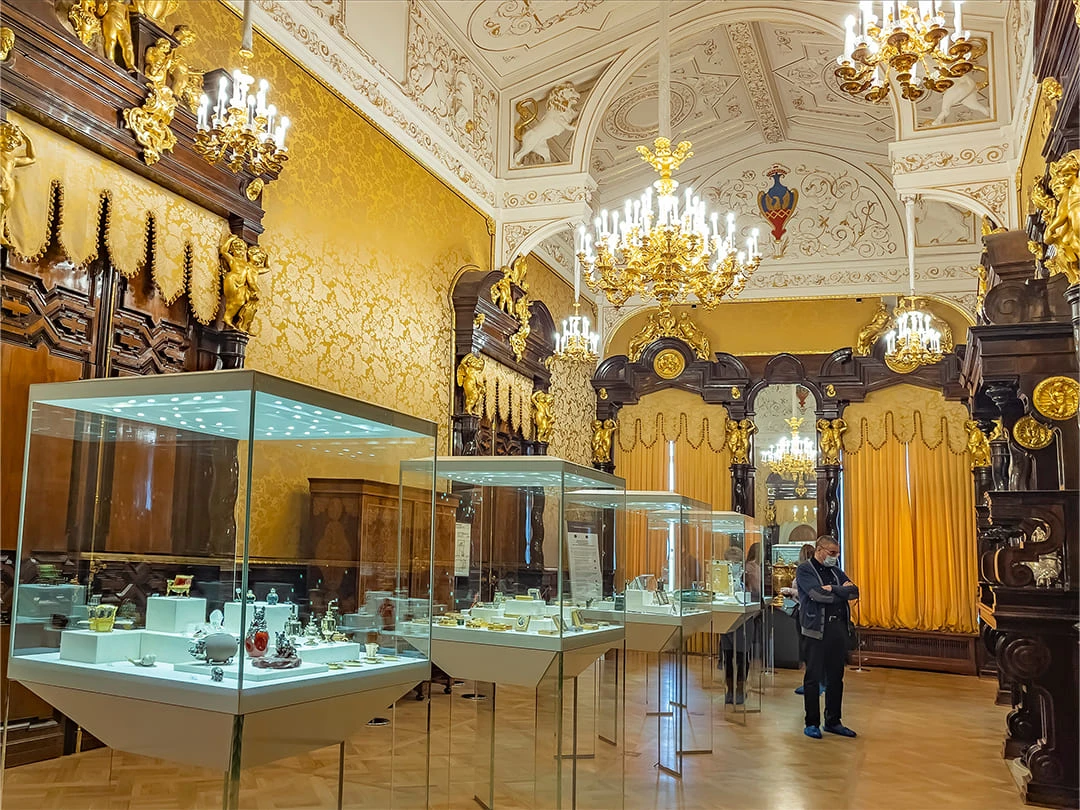
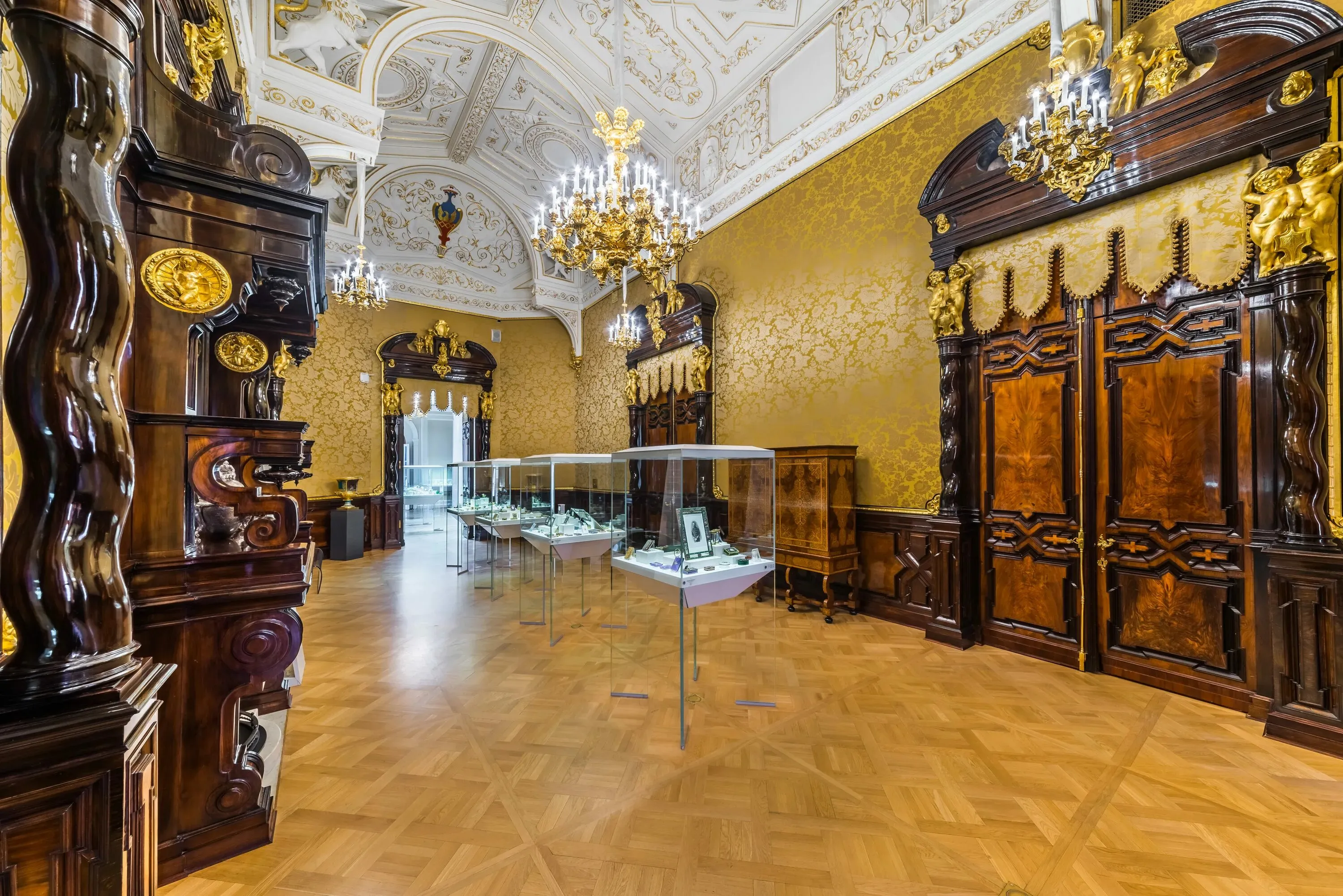
Following the revolutionary outbreak, the vast majority of these masterpieces of gold, enamels, and precious gems were tragically scattered across private collections and auctions worldwide. Fortunately, 9 of them, which constitute the largest unified collection on the planet today, returned to their homeland and are proudly displayed in the sumptuous Shuvalov Palace, headquarters of the Fabergé Museum in St. Petersburg.
This valuable acquisition was made commercially by the industrialist Viktor Vekselberg, who bought the entire lot in 2004 before it was auctioned in the United States. In addition to these legendary Easter pieces, the museum’s showcases display thousands of objects of jewelry and liturgical silverware no less dazzling that take the visitor’s breath away.
2. The Russian Museum (Mikhailovsky Palace): The Soul of National Art
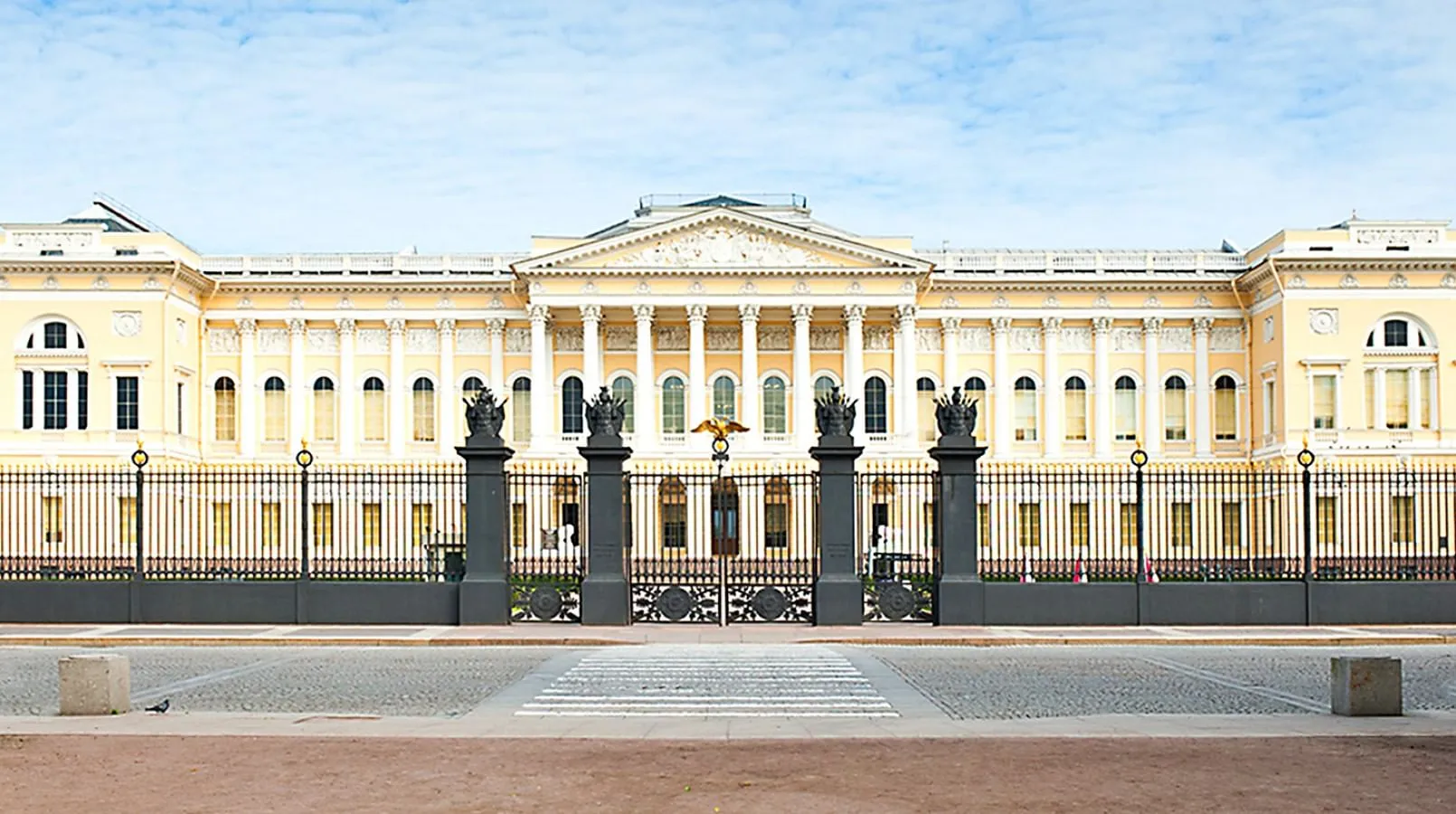
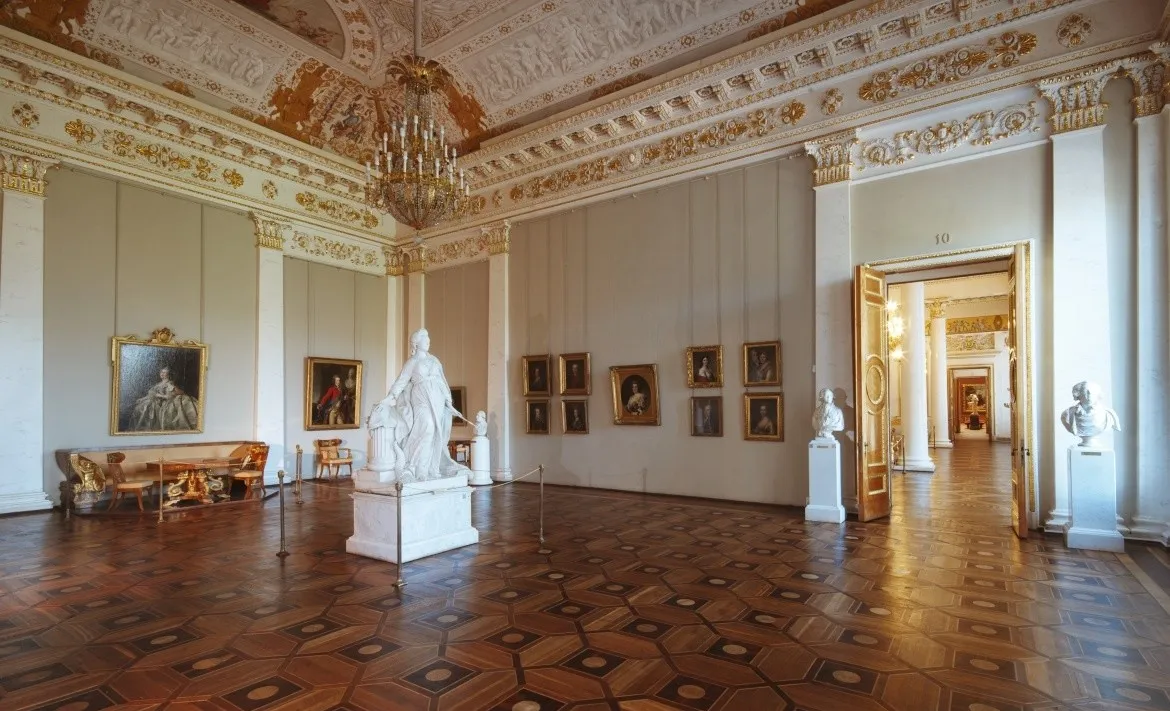
If you yearn to engage deeply with the physiognomy and actual evolution of Slavic painting and sculpture, you will find no corner on the planet that safeguards as many masterpieces as the Russian Museum, celebrated for housing the largest collection of purely Russian art in the world. The volume of oil paintings, medieval icons, historical coins, and fine pieces of folk art is so gigantic that the institution operates by distributing its funds across five monumental buildings simultaneously.
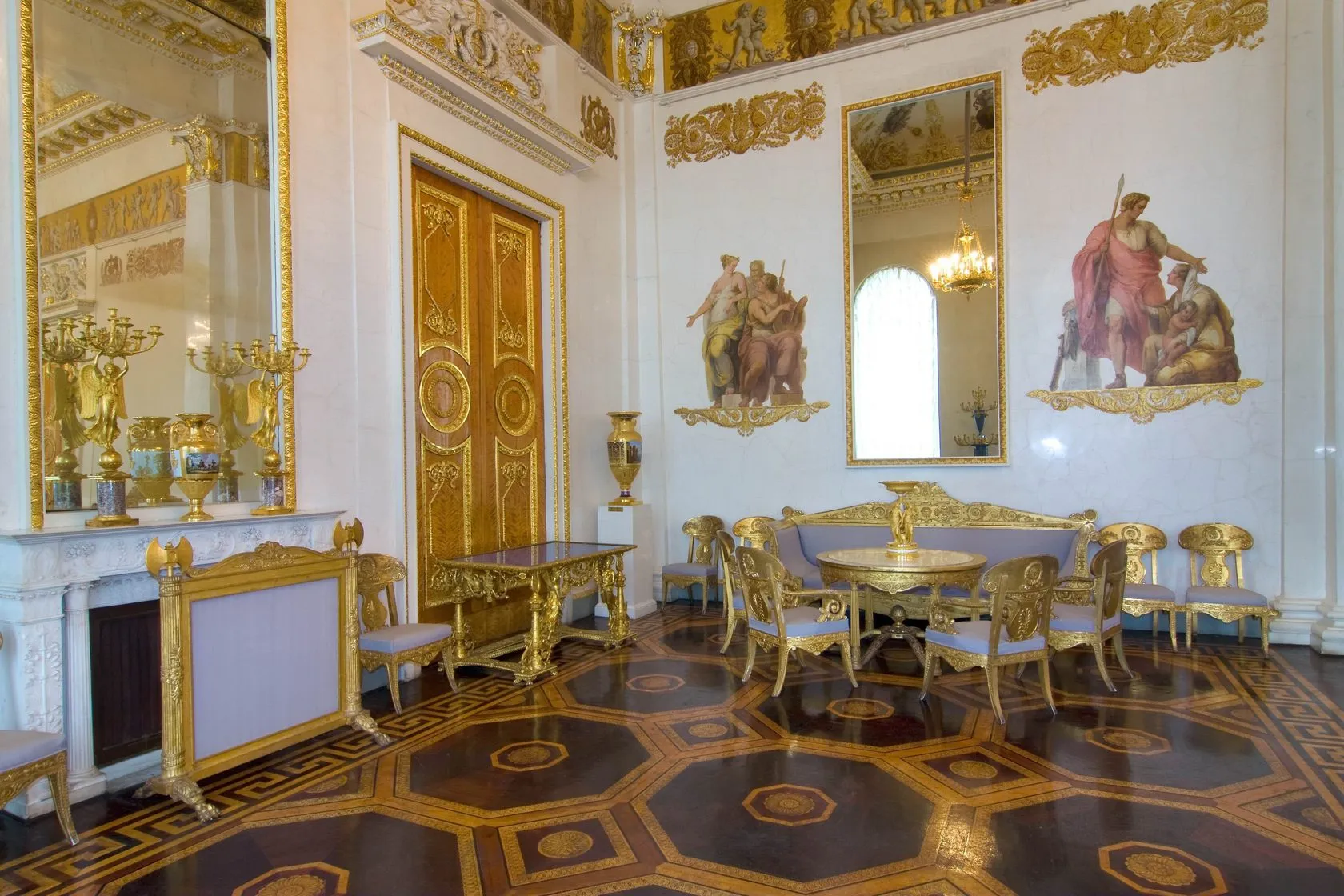
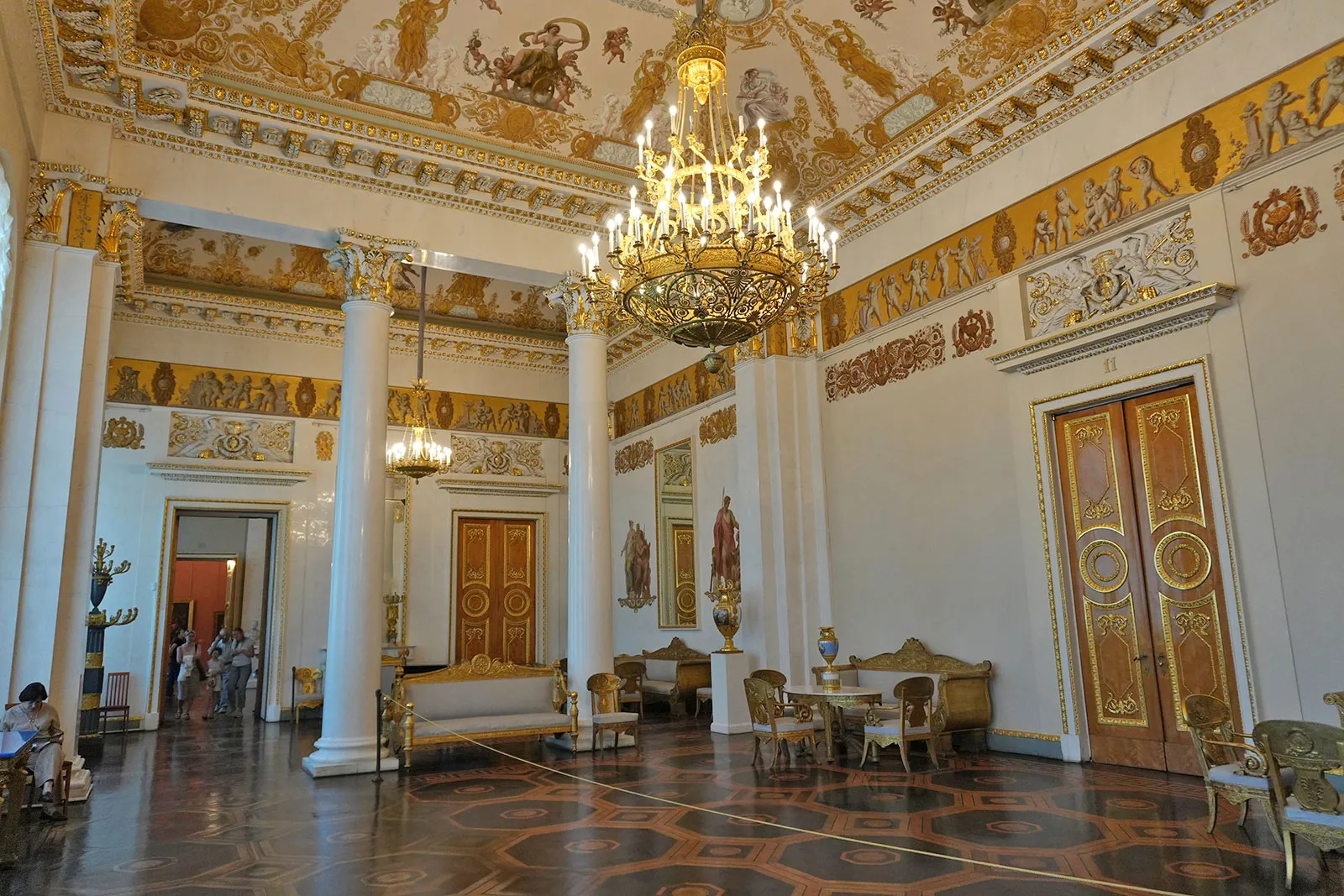
The central axis of the complex is the majestic Mikhailovsky Palace, a crowning masterpiece of neoclassicism that originally belonged to Grand Duke Mikhail Pavlovich, younger brother of Tsar Alexander I.
The rest of this elastic artistic portfolio is sheltered with distinction under the roofs of the Mikhailovsky Castle (St. Michael’s), the halls of the Marble and Stroganov palaces, and the tree-lined avenues of the Summer Garden. The institution’s total collection far exceeds 400,000 pieces in inventory, safeguarding paintings as imposing as The Last Day of Pompeii by Karl Briullov or Barge Haulers on the Volga by Ilya Repin. As a curiosity of cultural expansion, the museum has a prestigious international branch in Europe, specifically in the Spanish city of Málaga.
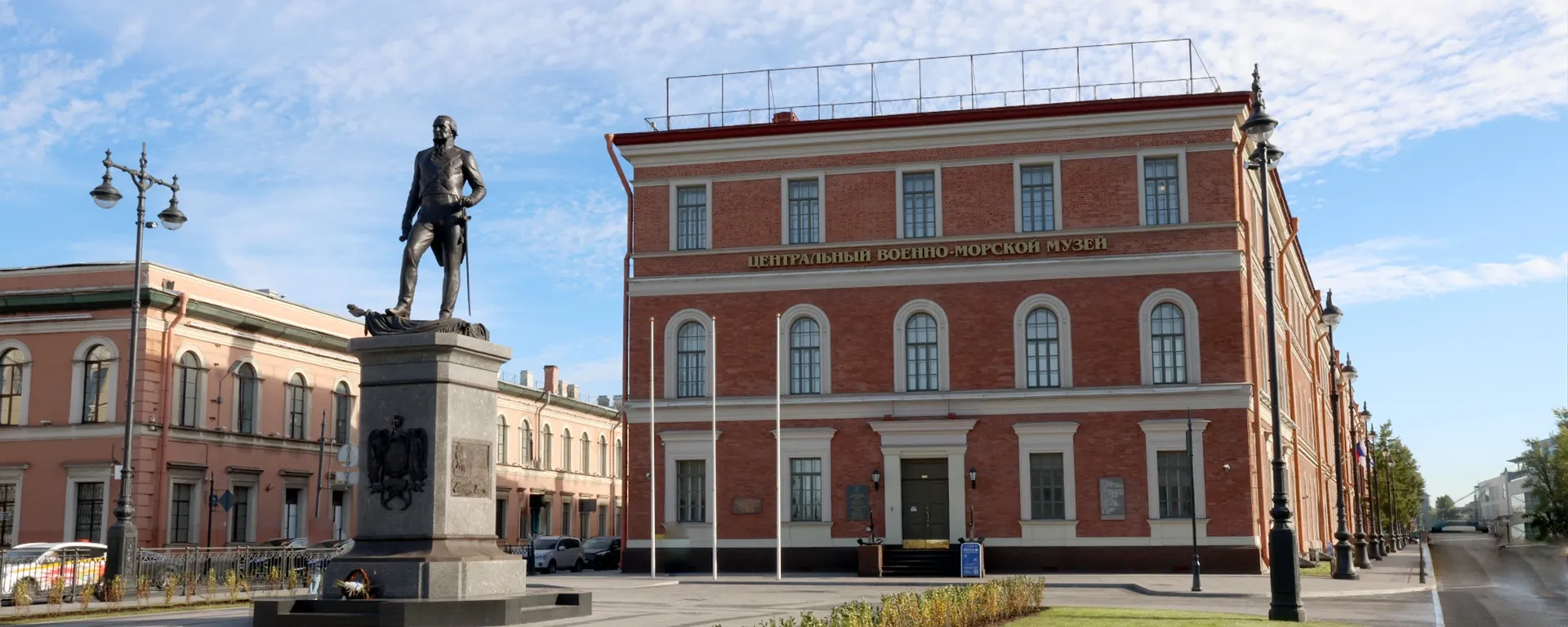
3. The Central Naval Museum: The Pride of the Baltic Sea
Emperor Peter I the Great not only founded the imperial capital on the northern marshes but consecrated a large part of his creative energy to forging the Russian Imperial Navy out of nothing. At the time of his death, the tsars’ Baltic fleet aligned a powerful squadron composed of 32 battleships of the line, 16 frigates, and 8 snows in battle order; a military force capable of rivaling Western maritime powers for absolute mastery of the seas.
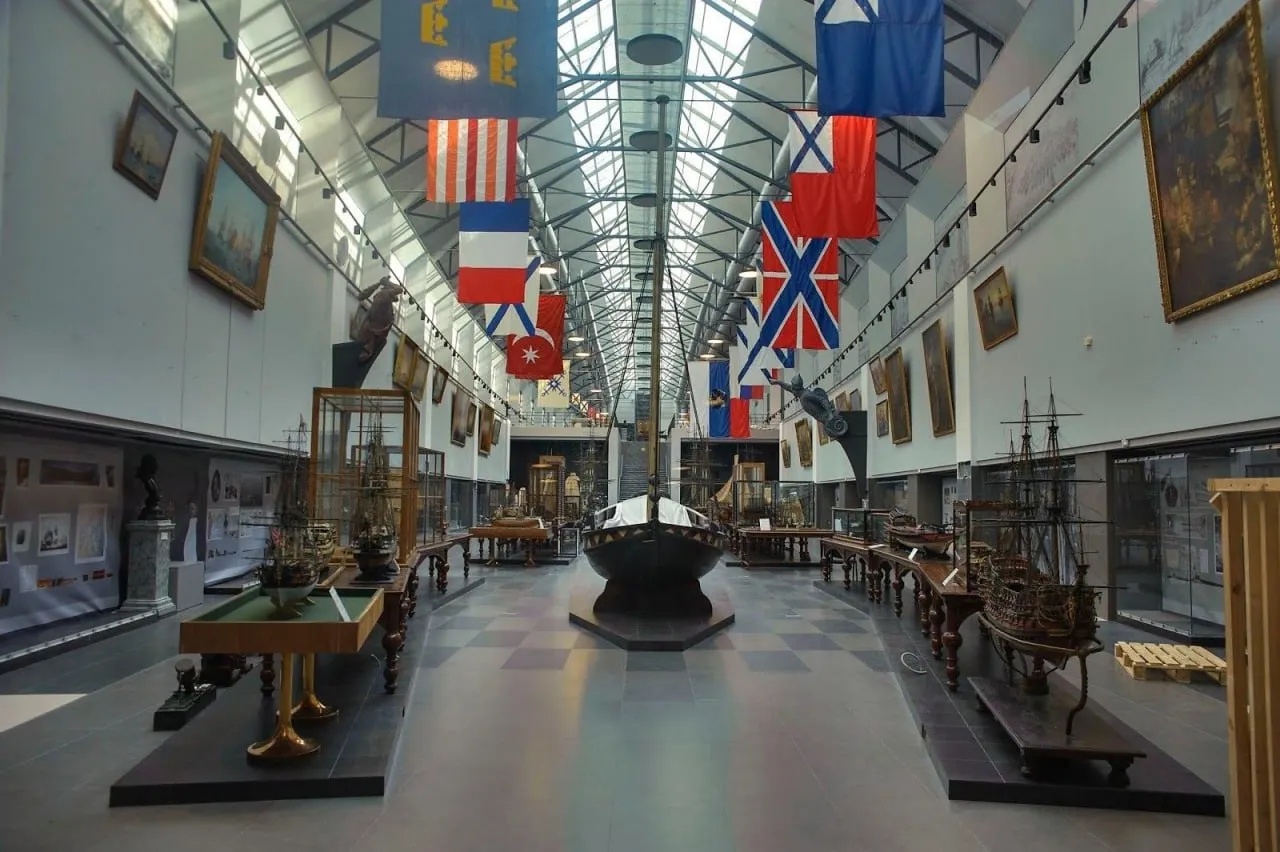
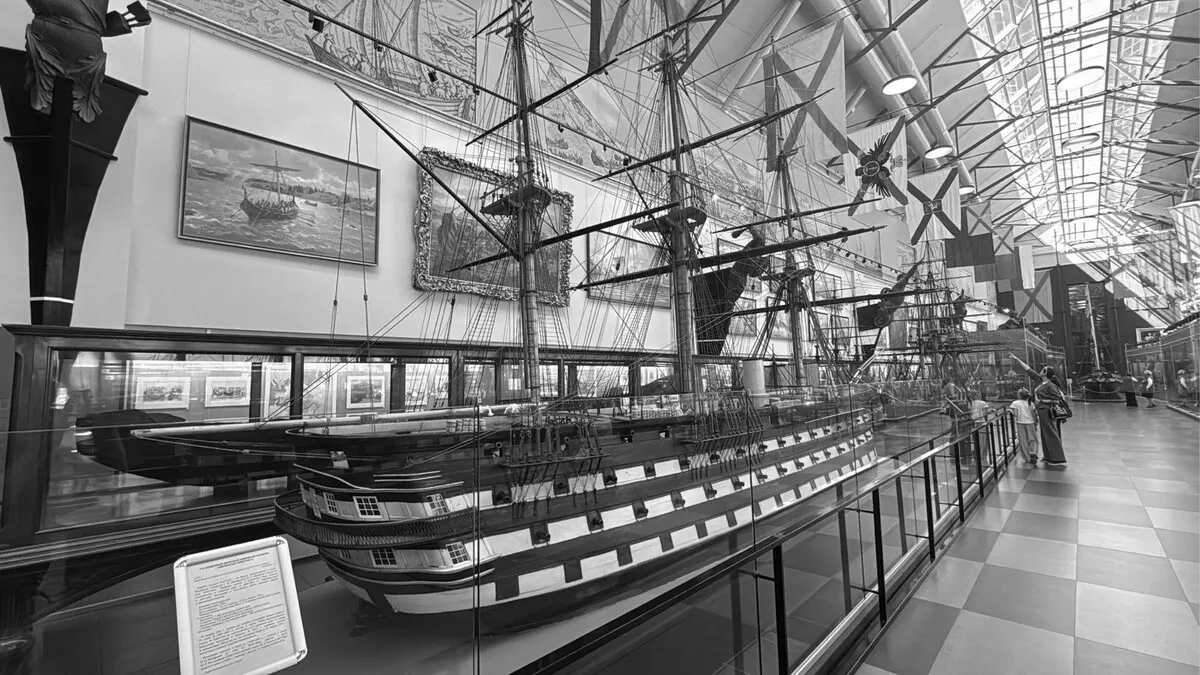
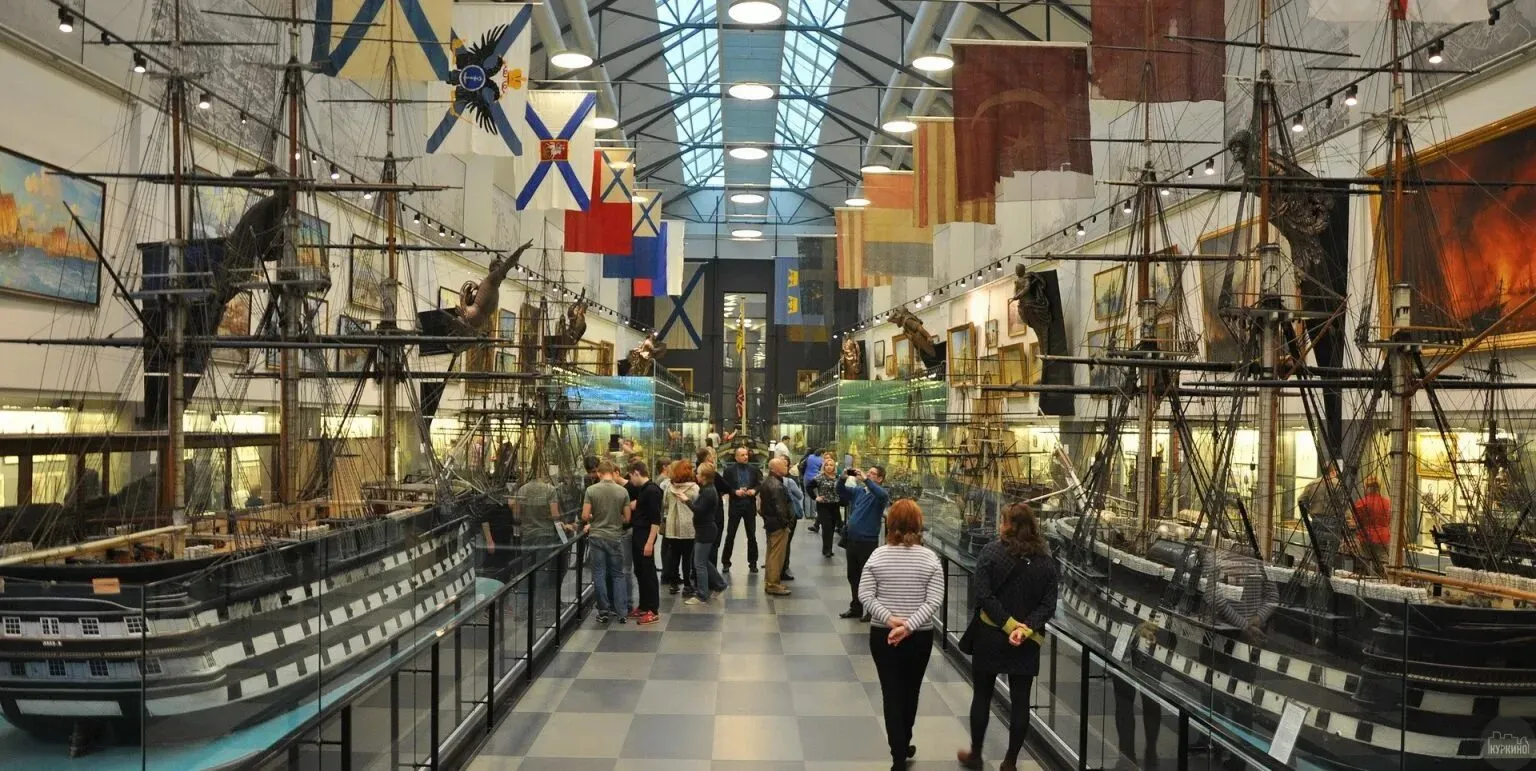
The Naval Museum of St. Petersburg sprouted in parallel to the birth of the shipyards. Peter the Great himself ordered by decree that naval master carpenters elaborate exact miniature scale models of each vessel before initiating its construction on the wooden slipways.
Those subtle models became the first pieces of the collection. With the passing of centuries, the museum library incorporated historical real vessels, bronze naval cannons, torpedoes, official uniforms, marine oil paintings, and, extraordinarily, an experimental 19th-century submarine forged with iron masonry, consolidating an essential tour for sea chronicle enthusiasts.
4. The Kunstkammer: Peter I’s Cabinet of Rarities
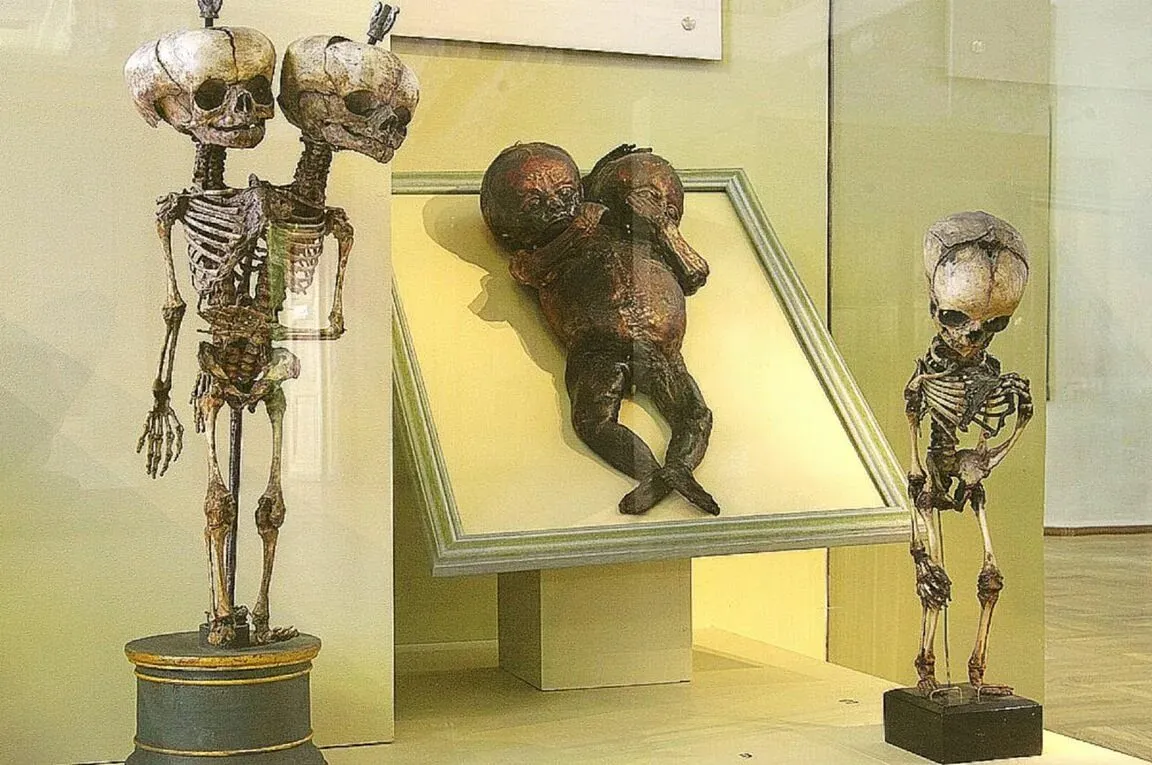
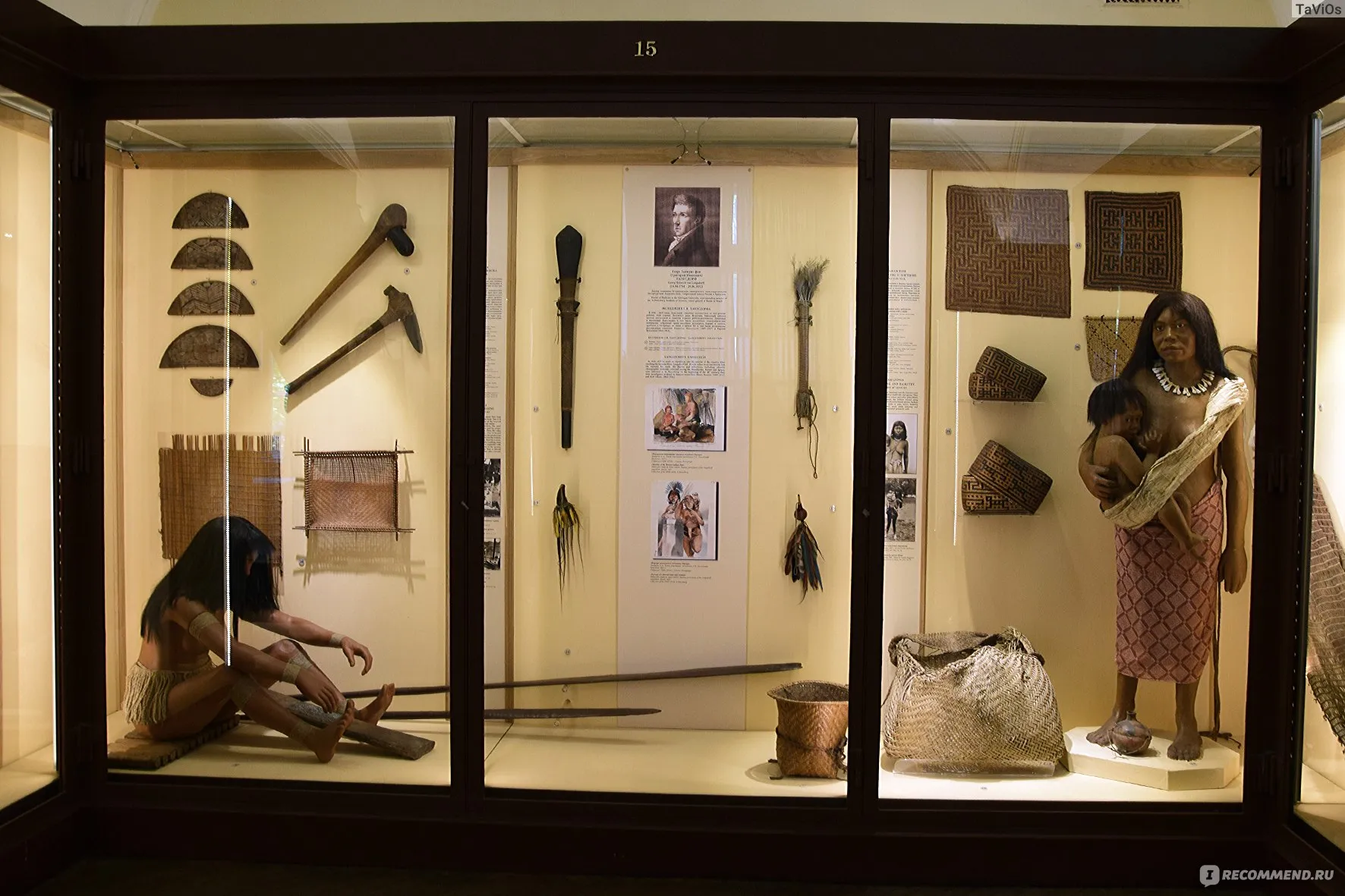
Faithful to his disruptive and reforming character, Peter I inaugurated the first public museum in Russian history in the Venice of the North, internationally known as the Kunstkammer (or Kunstkamera), and officially baptized as the Peter the Great Museum of Anthropology and Ethnography. The park’s infrastructure safeguards an immense ethnographic portfolio that meticulously documents the tools, weapons, and costumes of hundreds of indigenous peoples from America, Asia, and Africa; however, the complex acquired an imperishable worldwide fame due to its exclusive Office of Rarities and anatomical anomalies.
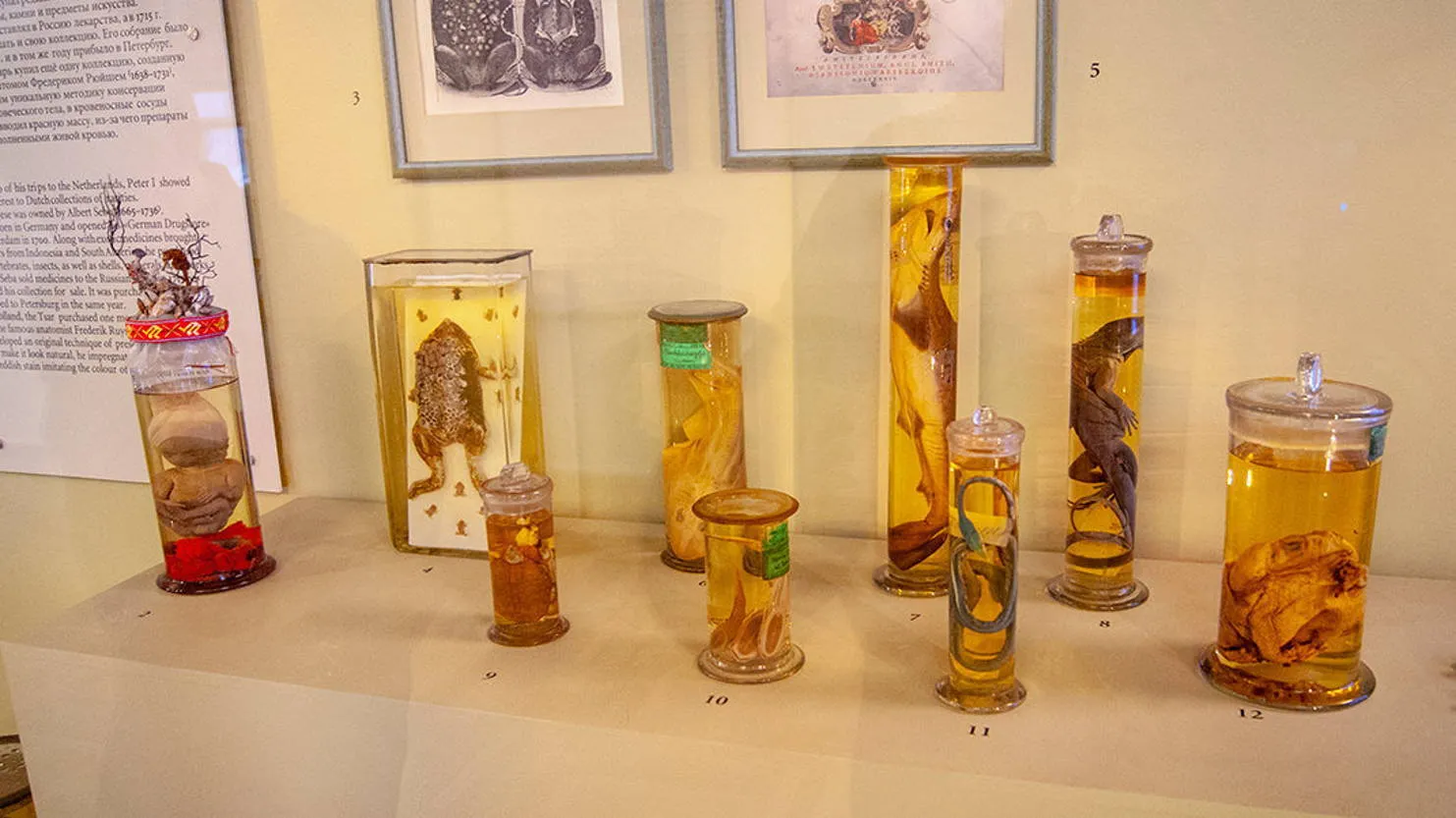
During his journeys of the Grand Embassy through the Netherlands and Germany in the late 17th century, the tsar visited cabinet collections of kunshty with obsession. Captivated by the scientific thought of the Enlightenment, he began to acquire entire collections of biological preparations, medical instruments, and natural malformations in lots.
Today, the Kunstkammer exhibition safeguards a biological library not suitable for sensitive spirits: embryos preserved in glass jars, specimens of fauna with bicephalic mutations (two-headed animals), and bone and anatomical anomalies that witness the dawn of experimental medicine in Russia.
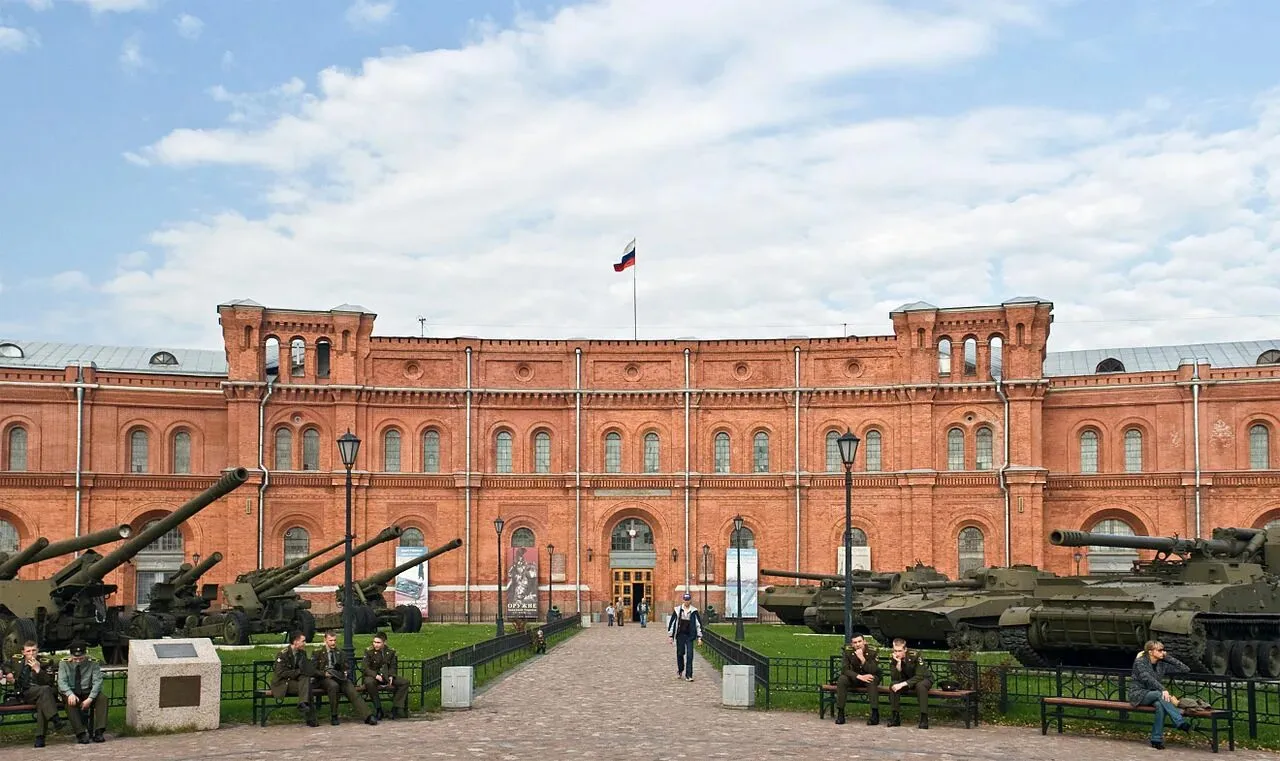
5. The Artillery Museum: The Glory of Russian Weapons
Forging a powerful warship constitutes barely half the battle, for a vessel is useless if it lacks powerful cannons with which to fire in combat. Peter I mastered this artillery logic to the millimeter; therefore, in parallel to the laying of shipyards, he ordered the foundation of a special storage depot in the Peter and Paul Fortress in 1703 aimed at gathering historical pieces "for the memory of the eternal glory" of the military forces.
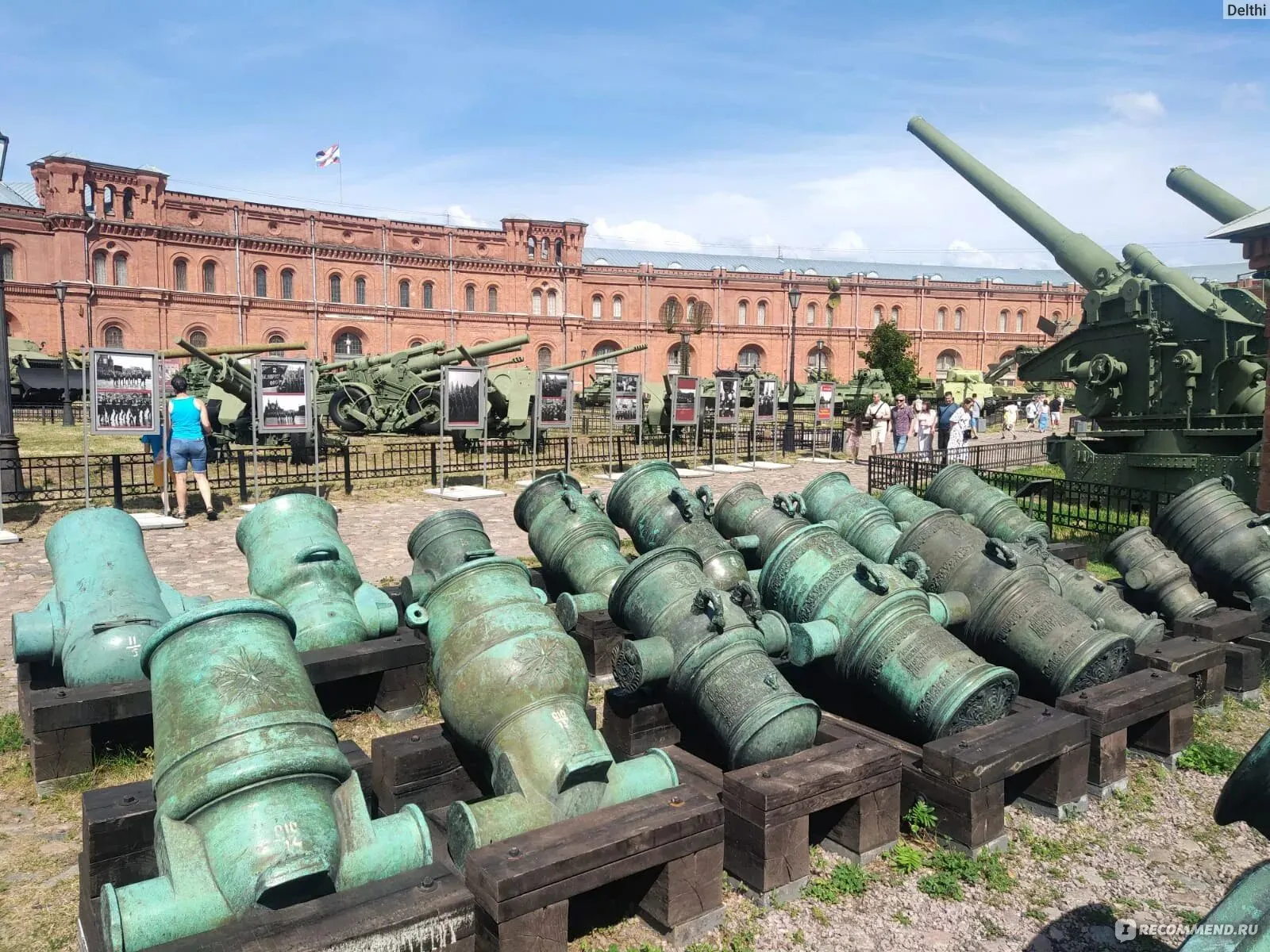
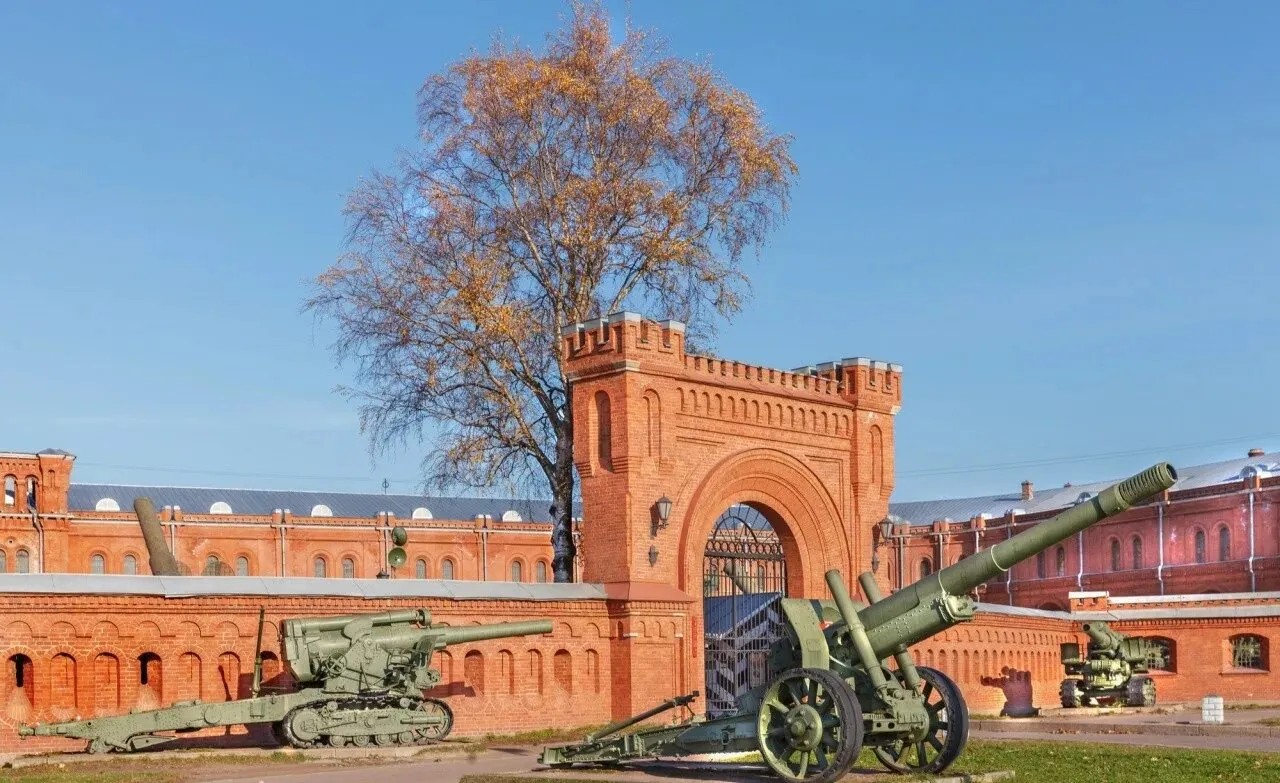
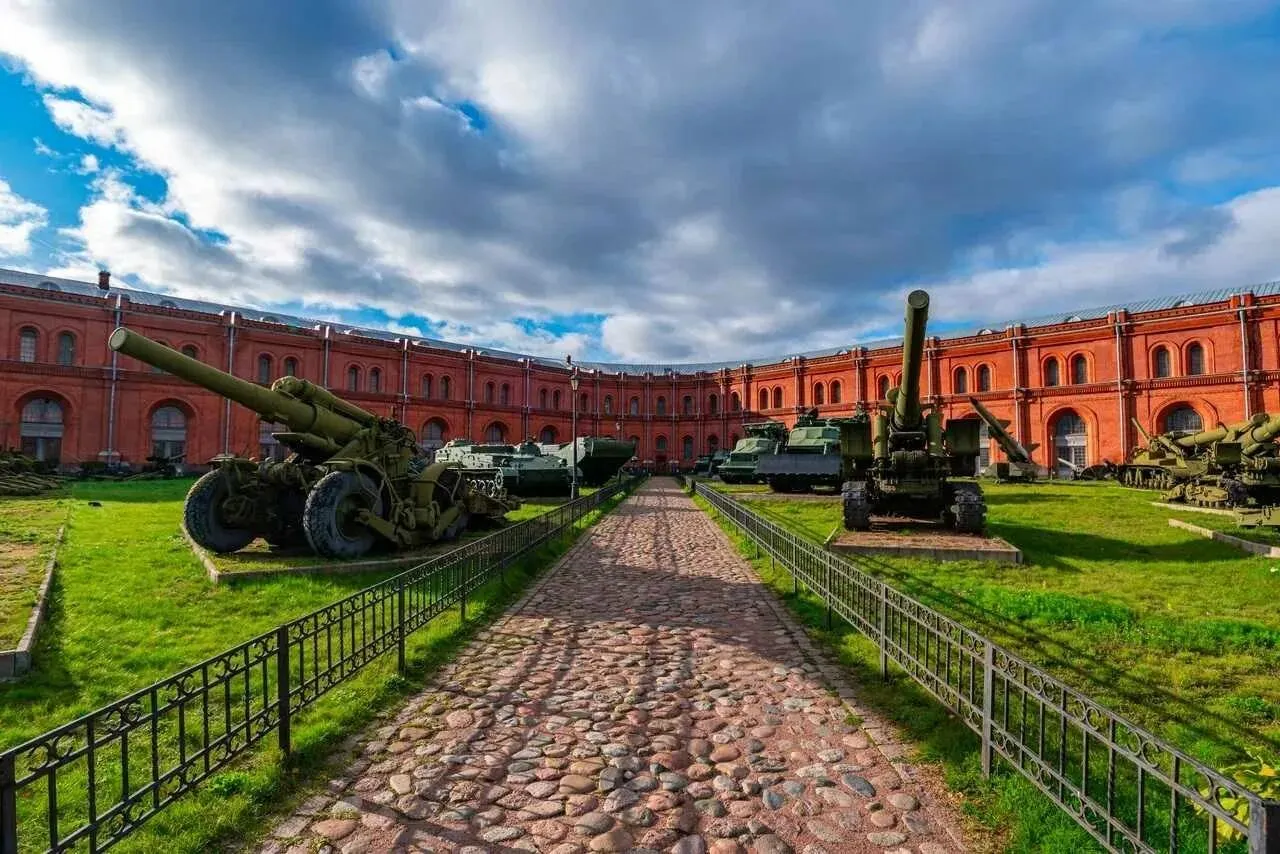
The initial pieces of the military inventory consisted of heavy siege mortars, medieval muzzle-loading cannons, captured Swedish war banners, and primitive rifles. As armaments evolved technically, the collection expanded to occupy a huge red brick building in front of the fortress, structured over 3 gala floors and more than a dozen ample exhibition halls.
The tour through its floors allows visitors to unveil the unfolding of Slavic ballistics: from the 16th-century bronze pieces of the Tsardom to the heavy artillery arsenal and Katyusha rocket launchers deployed during the bloody battles against Nazi troops in the Great Patriotic War, guaranteeing a fascinating journey where adults and children alike will completely break free from boredom.
Traveling to St. Petersburg
In our itineraries of excursions in St. Petersburg, we give special attention to visiting the most symbolic places of the city and especially the palaces, museums, and cathedrals.
Do you want to enjoy your trip to Russia with professional guides? Contact us.
Imperial Collective Connection Pathway
This chronicle of artistic treasures and scientific cabinets is part of our Baltic capital knowledge network. If you wish to analyze in detail the journeys of Peter the Great or the siege that shaped the city, we invite you to explore our master chronicle: The History of St. Petersburg: From the Window to Europe to the Hero City.