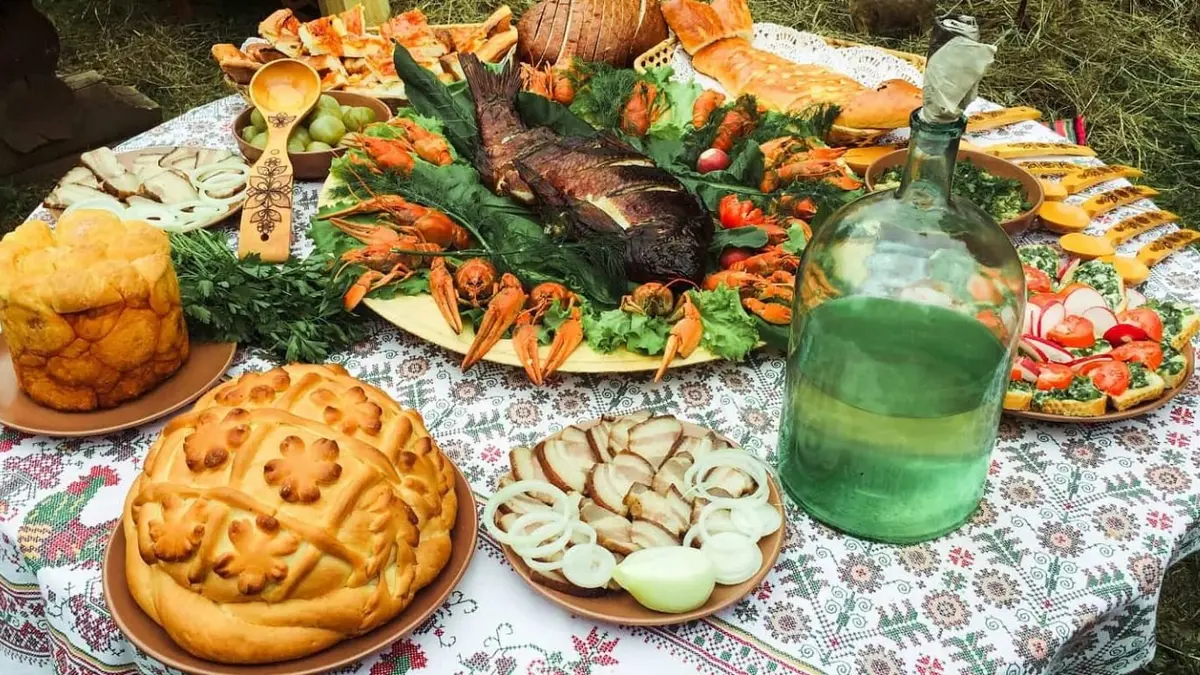
In this second chapter of our series dedicated to breaking down the core of our journey through Russian cuisine, we will put on our fur coats and embark on an author’s expedition to discover the Northern Russian Cuisine, entering the coldest, most inhospitable, and challenging regions of Northern Europe and the confines of the White Sea.
Stroganina and Baked Cod with Cottage Cheese
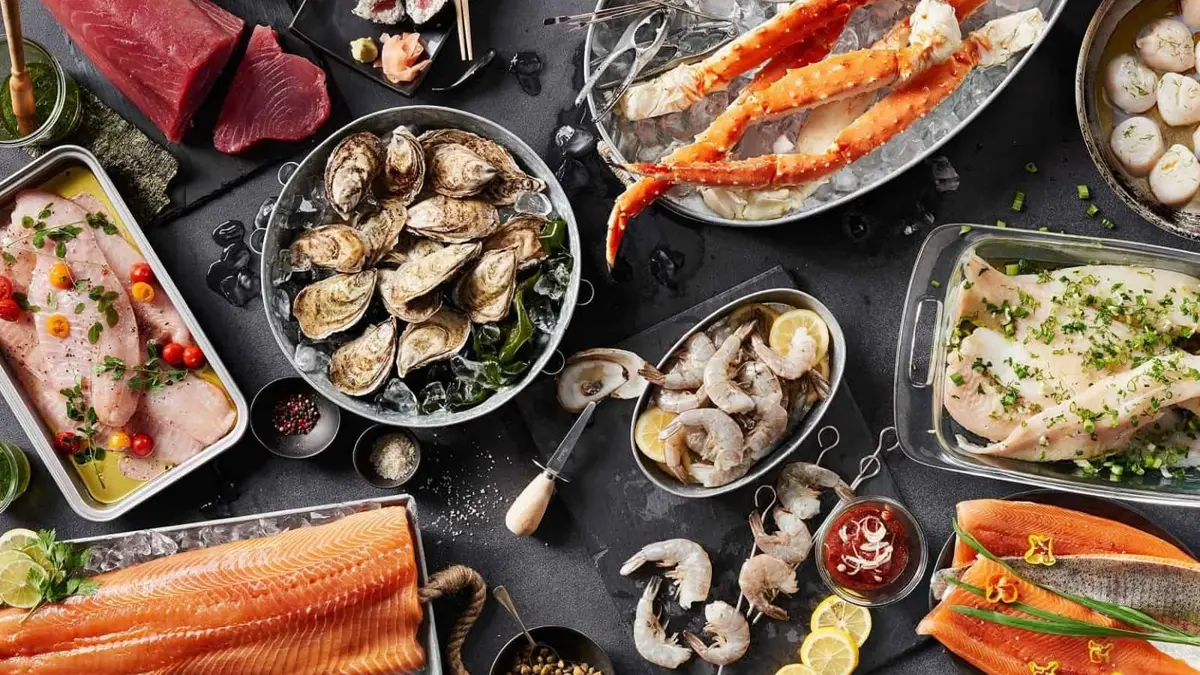
Blessed with extremely harsh, prolonged winters and cold, brief summers, the local nature did not provide the abundance of berries or vegetables that enriched the provinces of Central Russia. Given this agricultural scarcity, the absolute main pillar, engine, and ingredient of the northern diet was, without any discussion, fish, with an obsessive devotion toward cod. In the local culture, there was a firm belief that the population could consume cod daily throughout their entire existence without ever getting bored of its flavor.
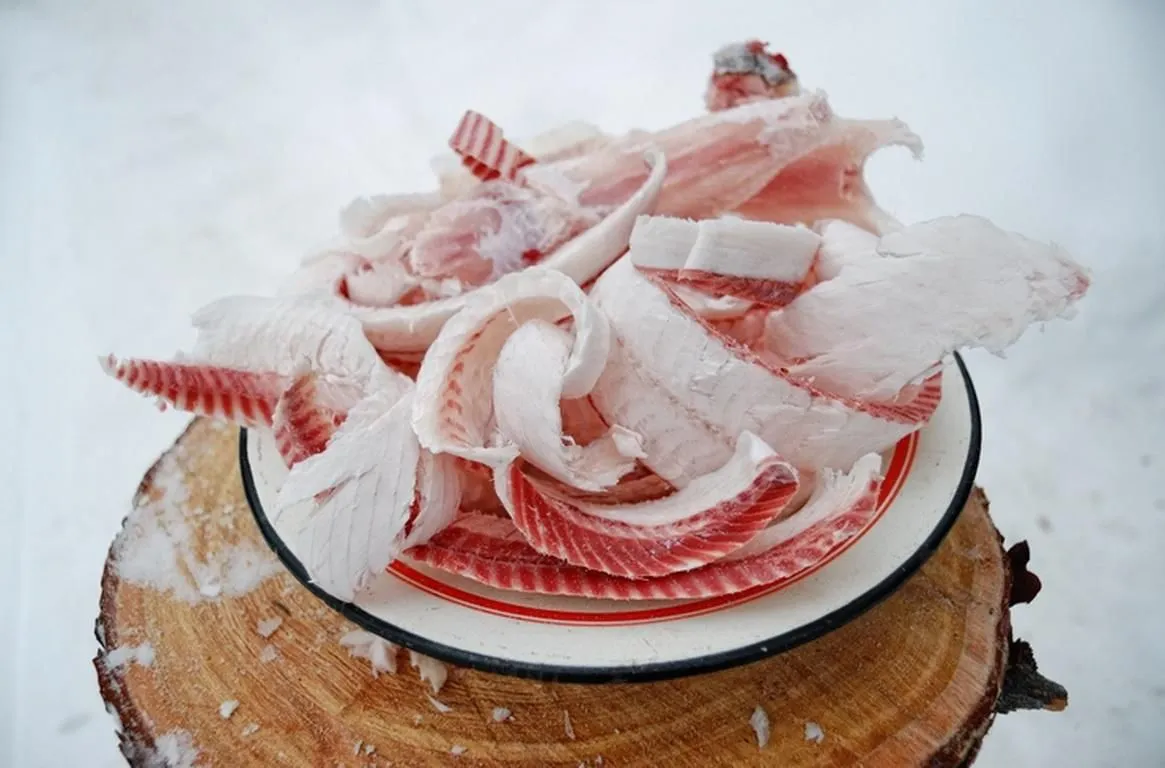
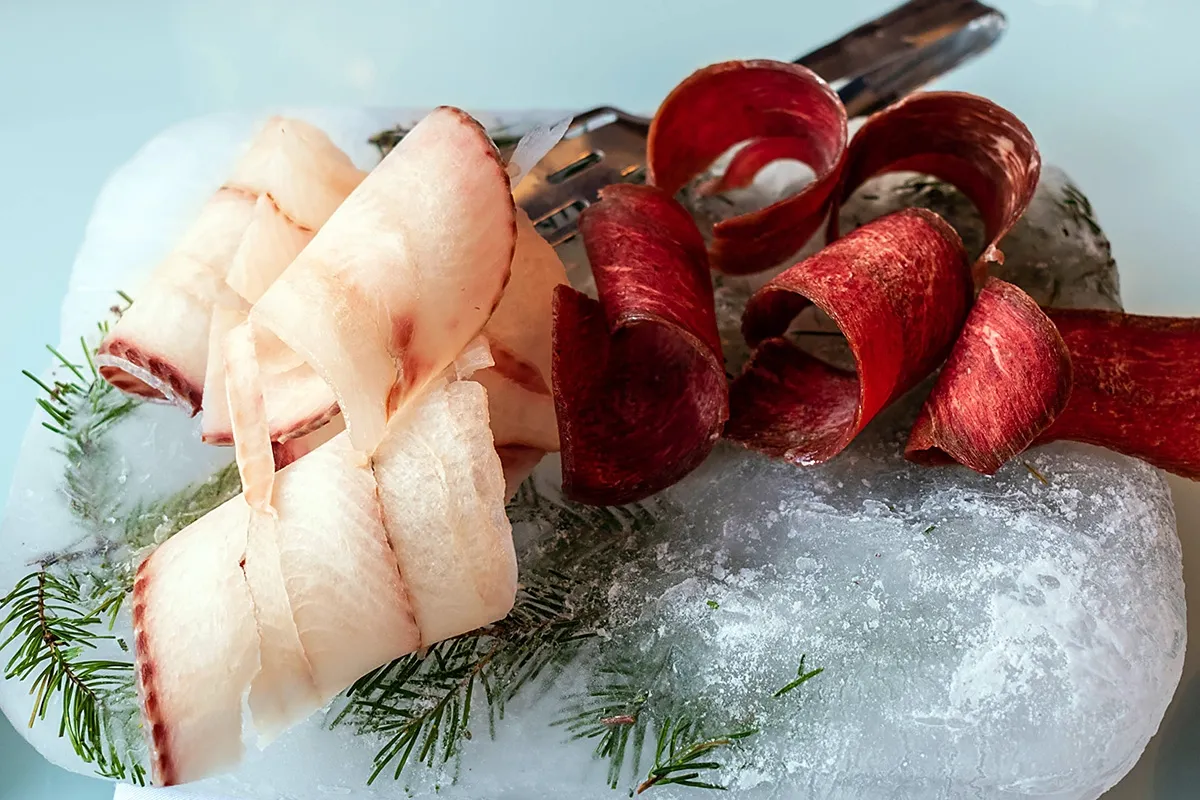
For centuries, the native fishermen, historically known in chronicles as the Pomors, consumed raw frozen fish fresh from the ice nets under the characteristics of the dish baptized as Stroganina. The method consisted of cutting the frozen block into extremely thin transparent slices and sheets using a sharp knife, eating them instantly after dipping them in a bowl of coarse Pomeranian salt.
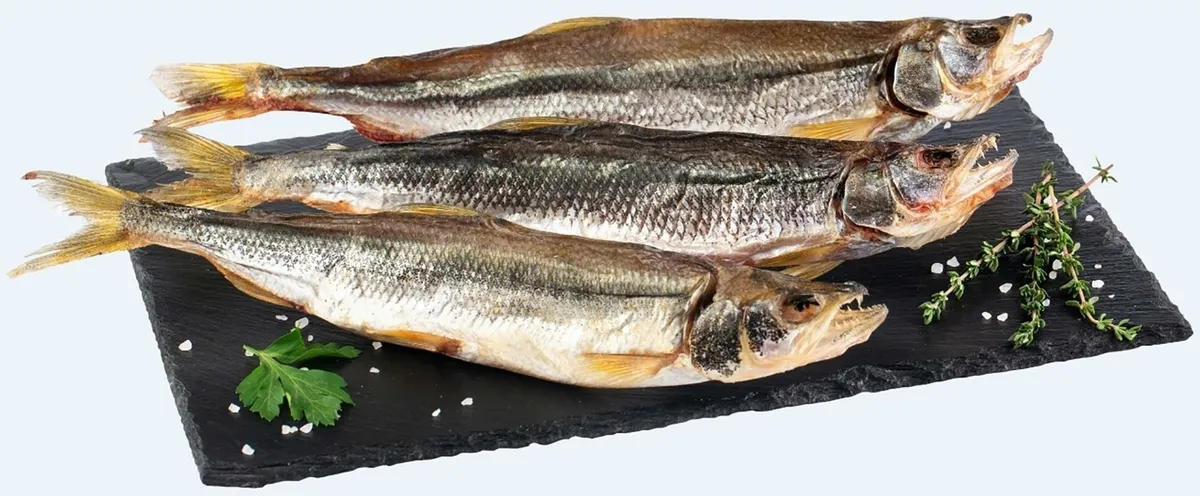
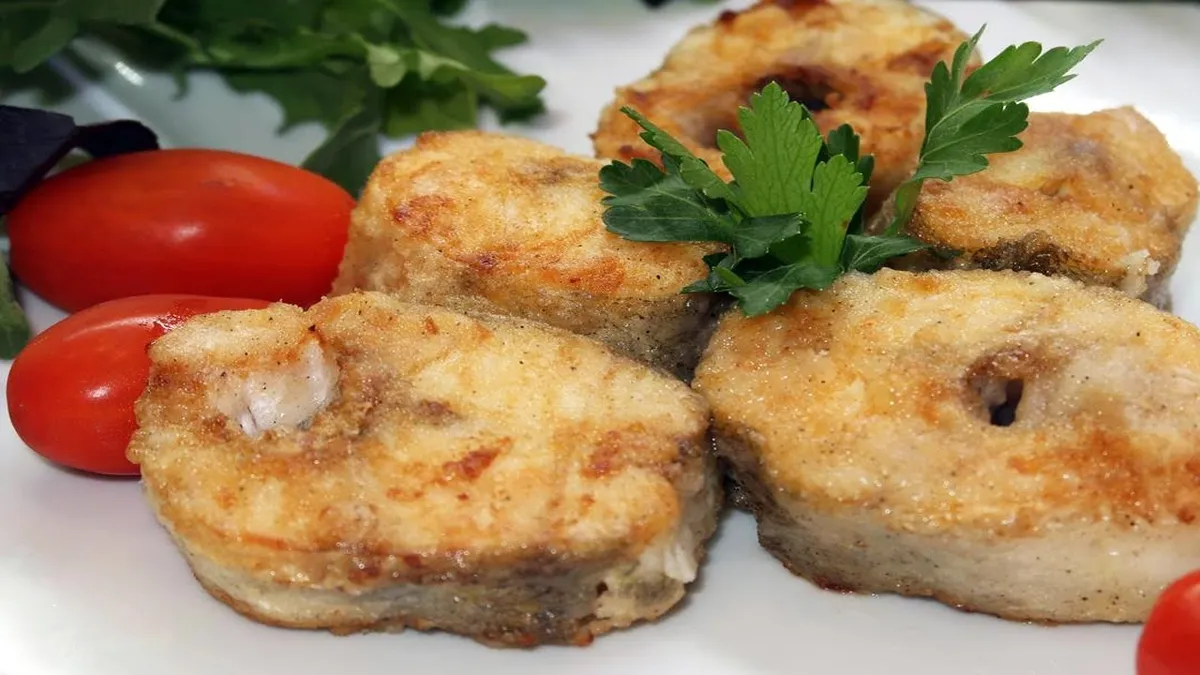
Nonetheless, northern cuisine mastered rich and elaborate thermal cooking variants: the small Navaga was sautéed fried in butter; the thick Cod and Haddock were baked slowly or stewed in cauldrons, while the tiny Smelt was preserved in clean brine.
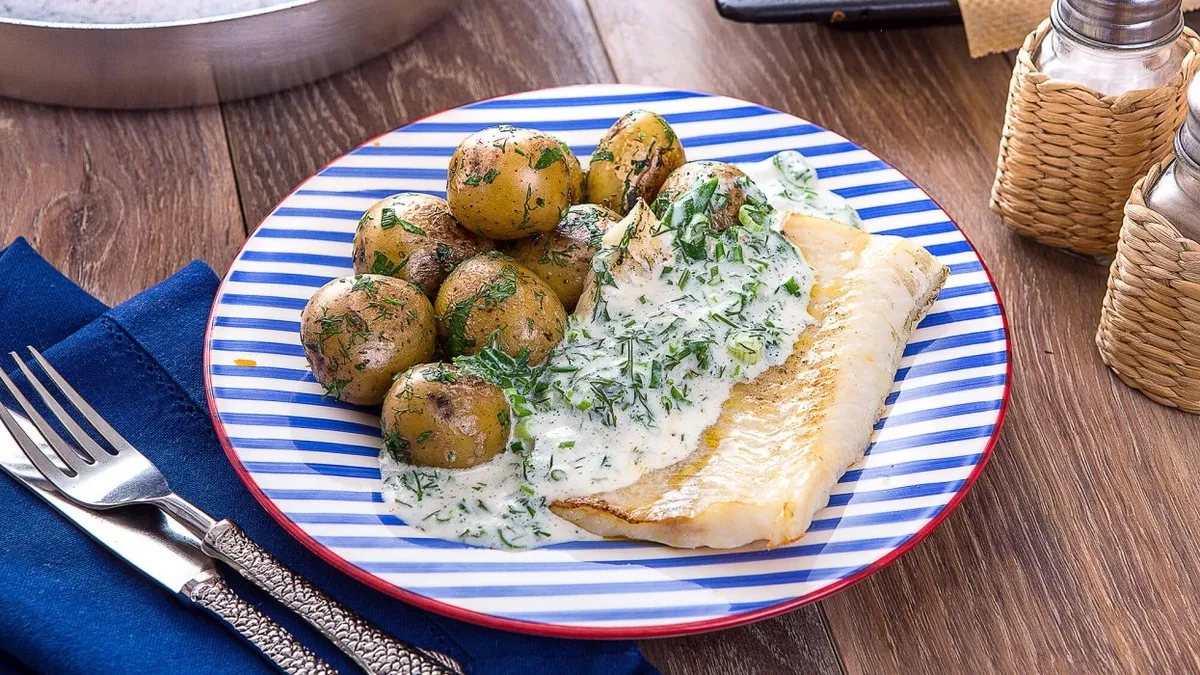
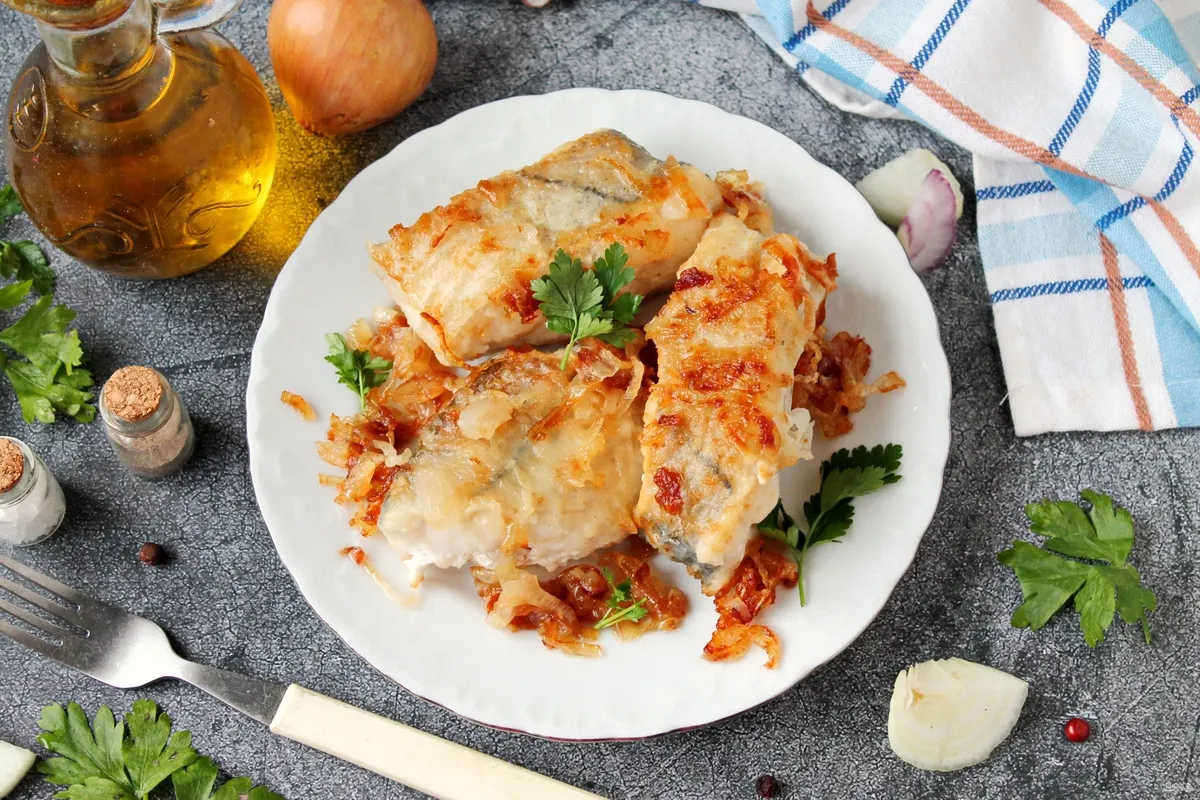
One of the most unique, rich, and representative author’s recipes of the White Sea was baked cod with cottage cheese. To execute this gastronomic combination, the shredded fish was briefly boiled or browned in small portions; immediately after, it was placed over a generous base of chopped spring onion, completely covered with a dense layer of grated cottage cheese blended with vegetable oil, and placed in the oven until a succulent gratin was achieved.
Pomeranian Ukha Soup and Salmon Rybniks
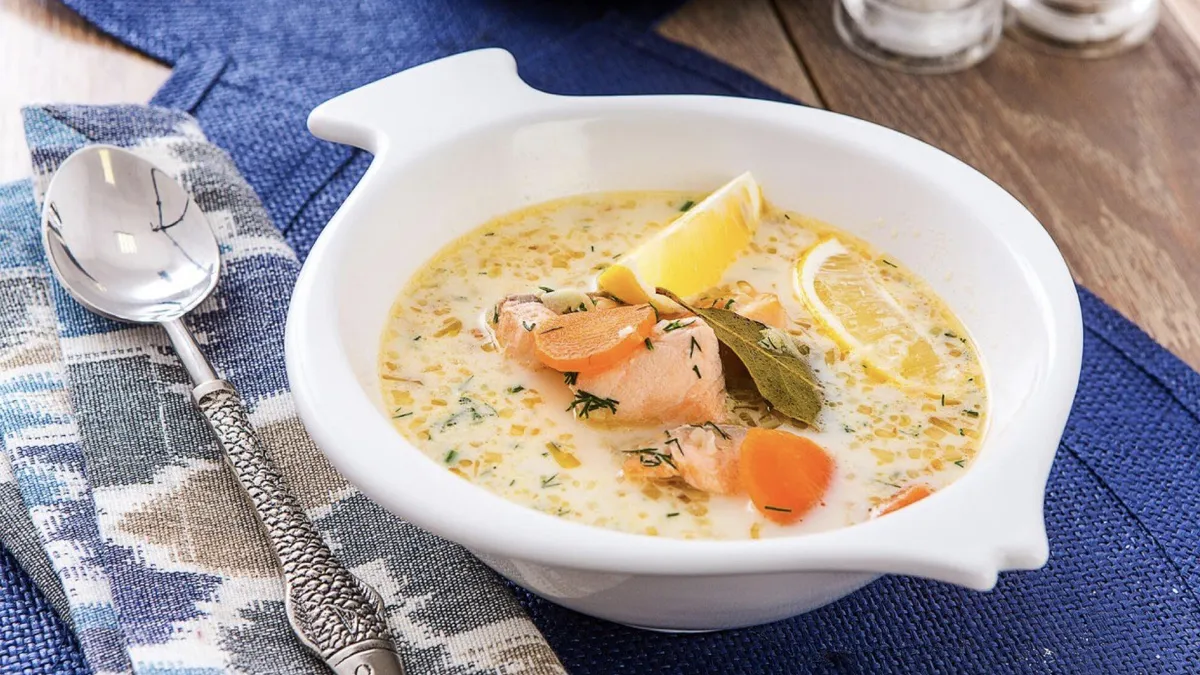
The famous Pomeranian Ukha Soup crowned itself as the absolute masterpiece of northern Russian cuisine. Unlike the clear soups of Central Russia, the Pomors prepared this broth using strictly fresh, freshly caught fish, innovatively adding hot whole milk, sliced onions, and a rich selection of aromatic spices (bay leaves, black peppercorns, and tangy lemon juice).
A fascinating historical detail is that these exotic spices were preferentially imported by the ships of English merchants who moored in the port of Archangel; thanks to this maritime trade exchange, the Pomors learned to season their pots with Western condiments long before the rest of the country’s inhabitants.
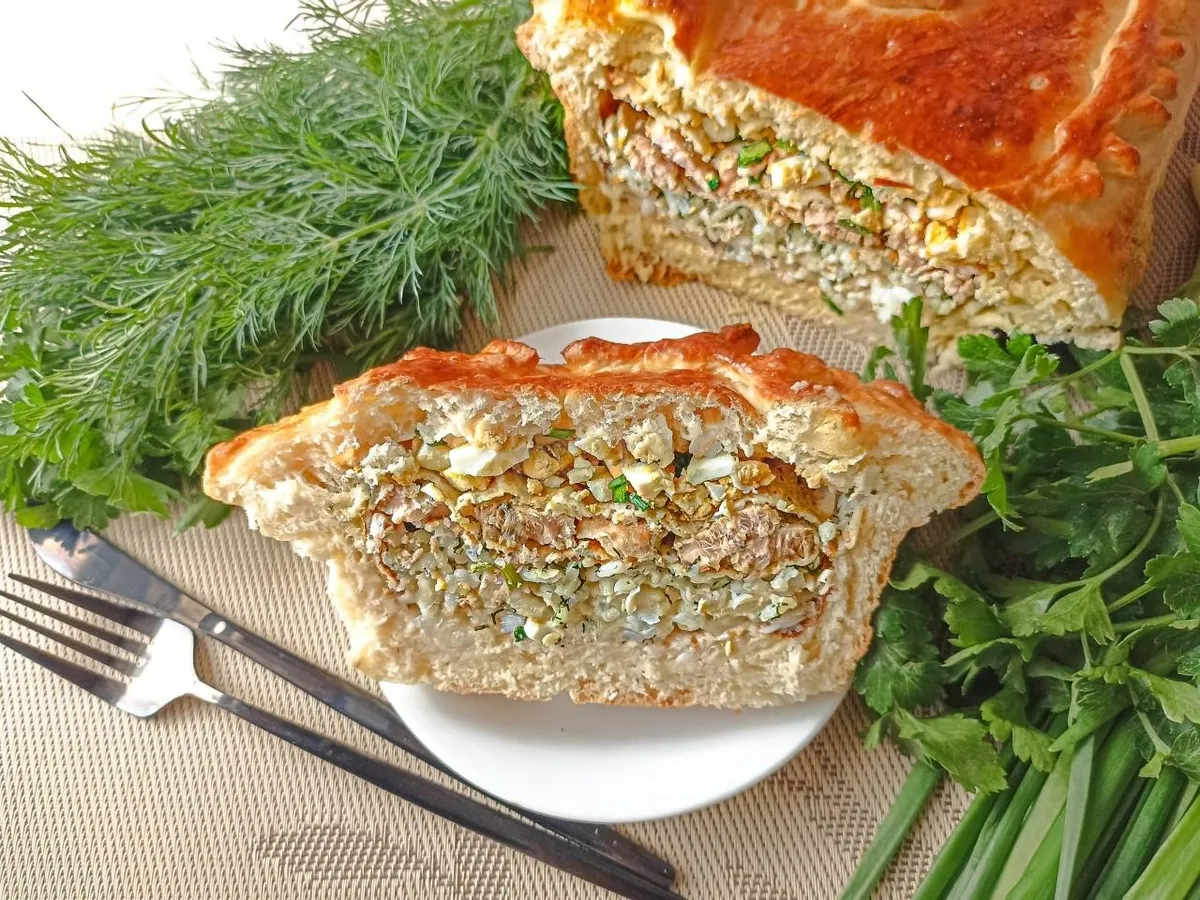
Traditionally, Pomeranian Ukha soup was served on the gala table escorted by an open Kulebyaka (a large elastic yeast dough pastry filled with fish). On weekdays, housewives baked whole pikes or chubs wrapped in dough; while upon the arrival of festive gala evenings, etiquette required presiding over the table by serving the sumptuous Red Rybniks, majestic savory pies stuffed with thin cuts of wild king salmon, chum salmon, or pink salmon.
Despite this enormous pastry mastery, common bakery wheat bread was an exotic and extremely rare product in the north; the rigidity of the Arctic climate prevented tilling grain fields, and its import from southern provinces was highly expensive, consolidating an indisputable author’s motto in local folklore: "Without fish, it is worse than without bread".
Tundra Venison and Volozh Salsas
Beyond the marine realm, the main meat contribution to the Pomors’ table came from hunting expeditions for Siberian venison in the tundra. Reindeer meat was processed fried in fat, baked in large pieces, added minced to winter broths, or dried and hydrated to constitute long-lasting provisions.
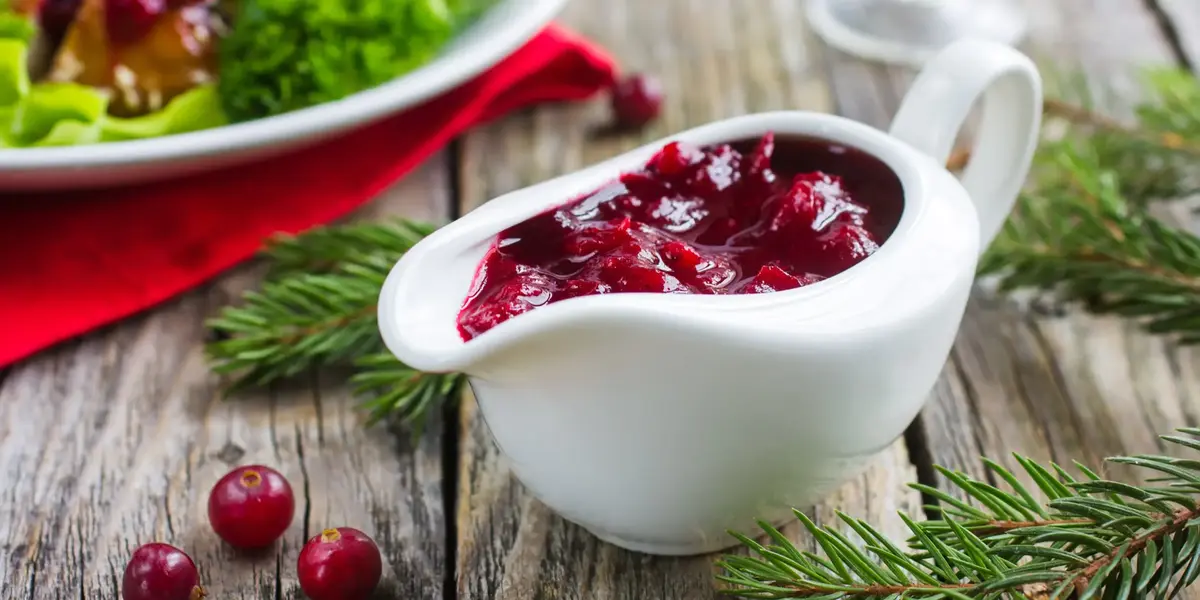
Faithful to their instinct for balanced flavors, northern cooks served the roasted venison escorted by the famous Volozh sauces, sweet and sour dressings made from the reduction over fire of wild cranberry juices, cloudberries, or wild roses from the taiga.
These Volozh sauces not only conferred exquisite finesse and contrast to lean meats, but also constituted a massive natural source of essential vitamins that guaranteed the health of young and old alike, saving the population of Pomerania from the rigors of colds and scurvy during the months of winter confinement. Northern Russia shelters a unique master recipe book of survival in the entire world.
Imperial Culinary Connection Pathway
This chronicle of seafaring recipe books and Arctic sauces is part of our Euro-Asian gastronomy knowledge network. If you wish to analyze the complete map of the seven taste stations or the southern pastures, we invite you to explore our master chronicle: Journey Through Russian Cuisine: The Map of Imperial Flavors.
Do you wish to undertake an expedition toward the historical port of Archangel or taste cod Pomor style in the most authentic restaurants of Moscow assisted by official guides in your language? We secure all your logistics. Contact our travel advisors directly or explore your itinerary by discovering our VIP Tours Catalog in Russia.