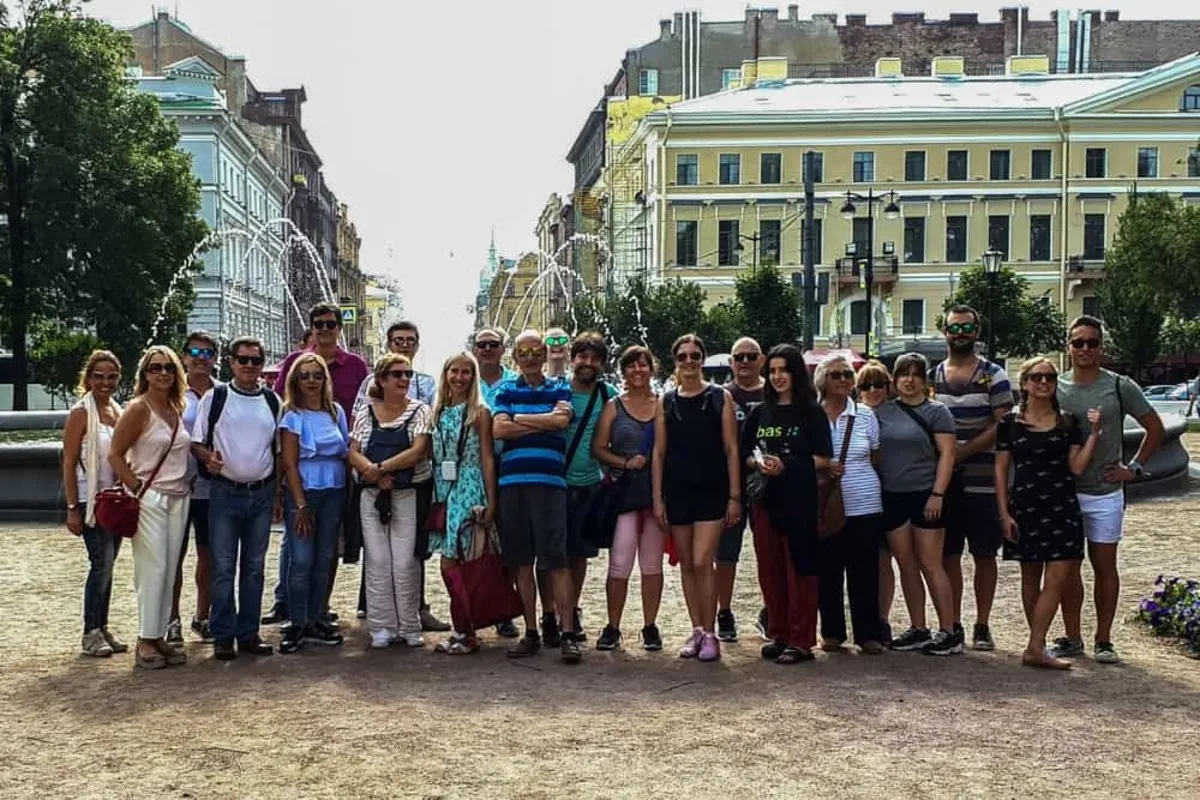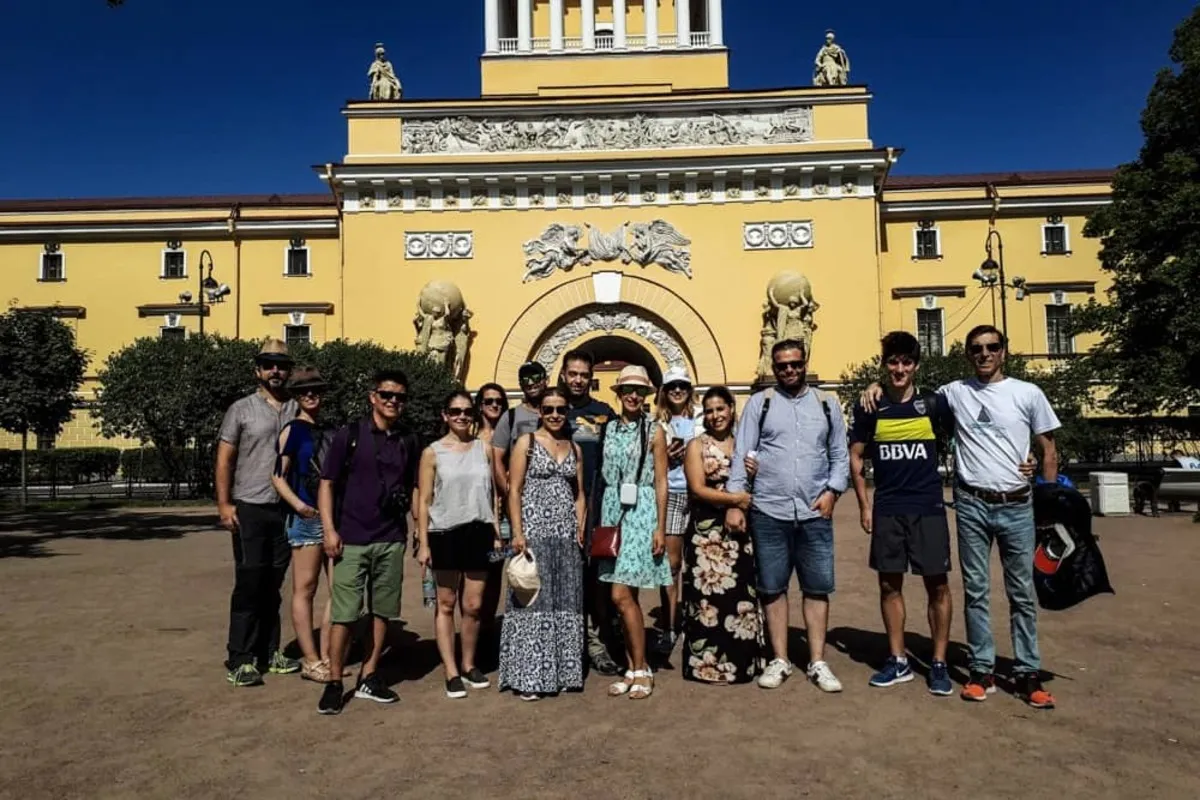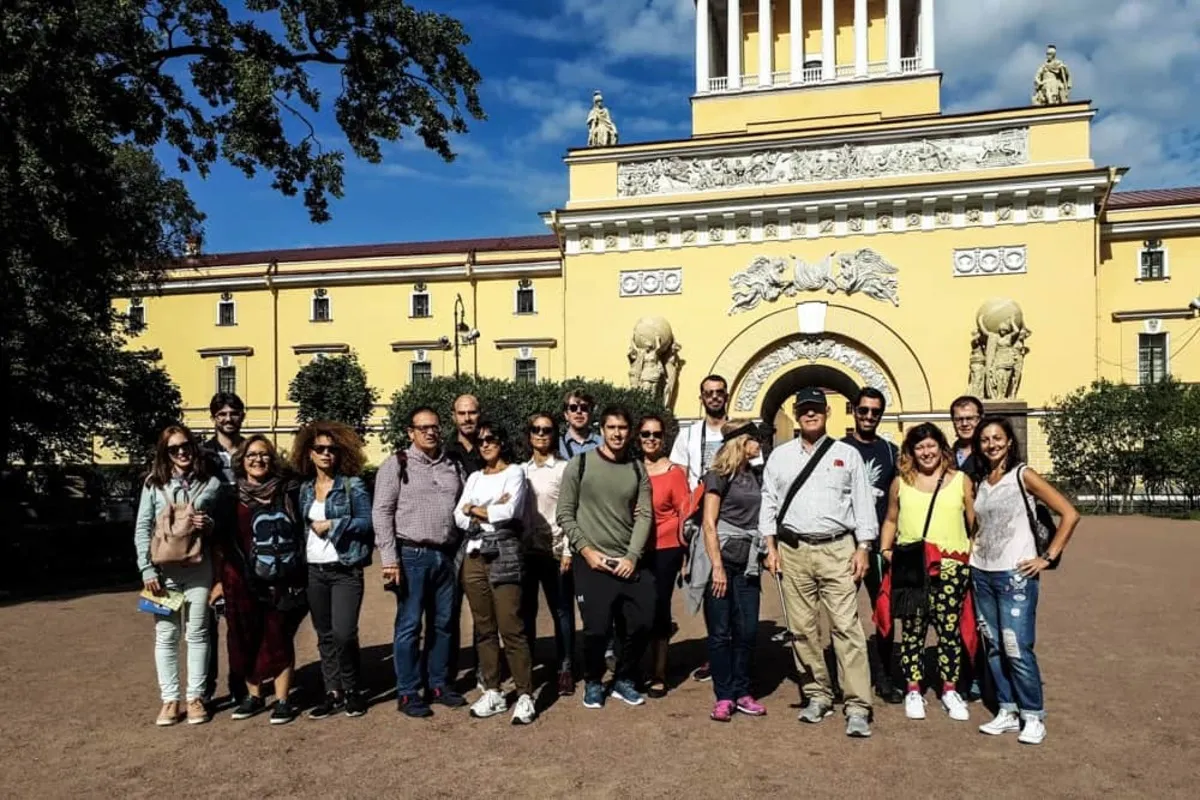
Join our St. Petersburg walking tour with an official guide to explore the historic center's top landmarks without paid indoor museum entries.
The St. Petersburg Free Walking Tour with an official guide is in many ways equivalent to a private downtown excursion; the only difference is that we do not access indoor paid historic buildings along the route.
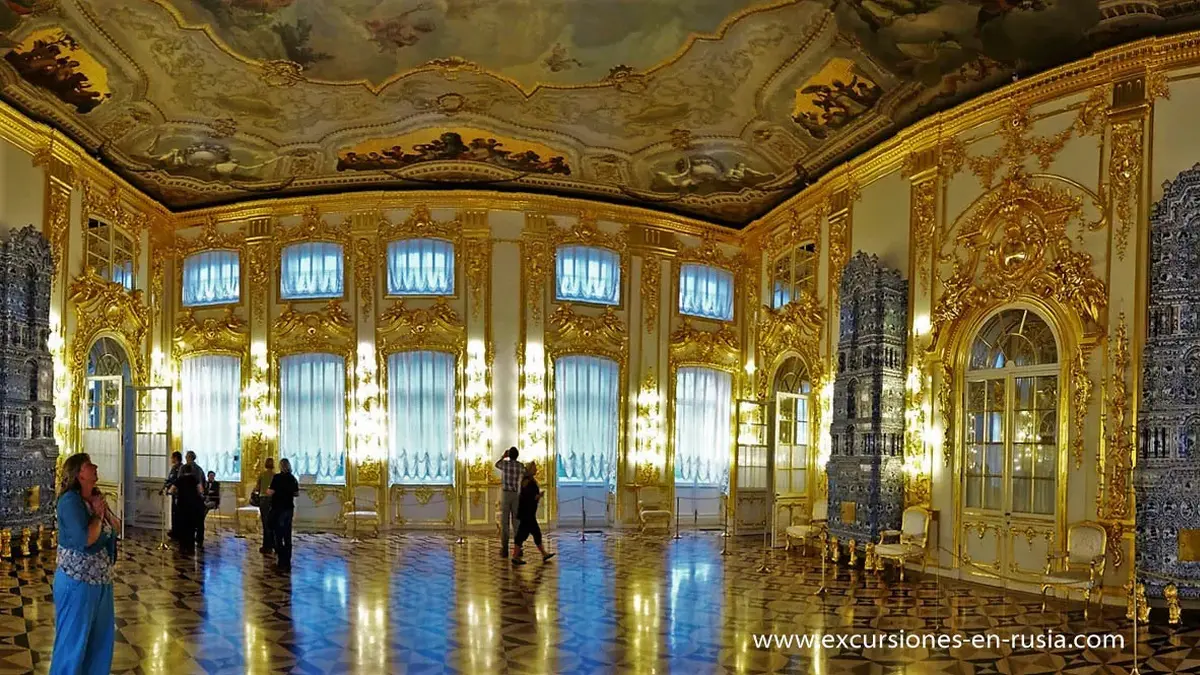
St. Petersburg is widely known as the Versailles of the North. It hides thousands of fascinating chronicles and buildings of immense historical, artistic, and architectural value. It was originally founded by Tsar Peter the Great or Peter I, which stands as one of the most important landmarks in the history of the Romanov dynasty.
Besides its close resemblance to the most beautiful European cities, it has always been a center of immense political and strategic value. For this reason, long before the construction of the initial brick buildings concluded, Peter I determined that it would become the capital of the Russian Empire—a strategic choice that gave an extraordinary twist to the course of Russian history.
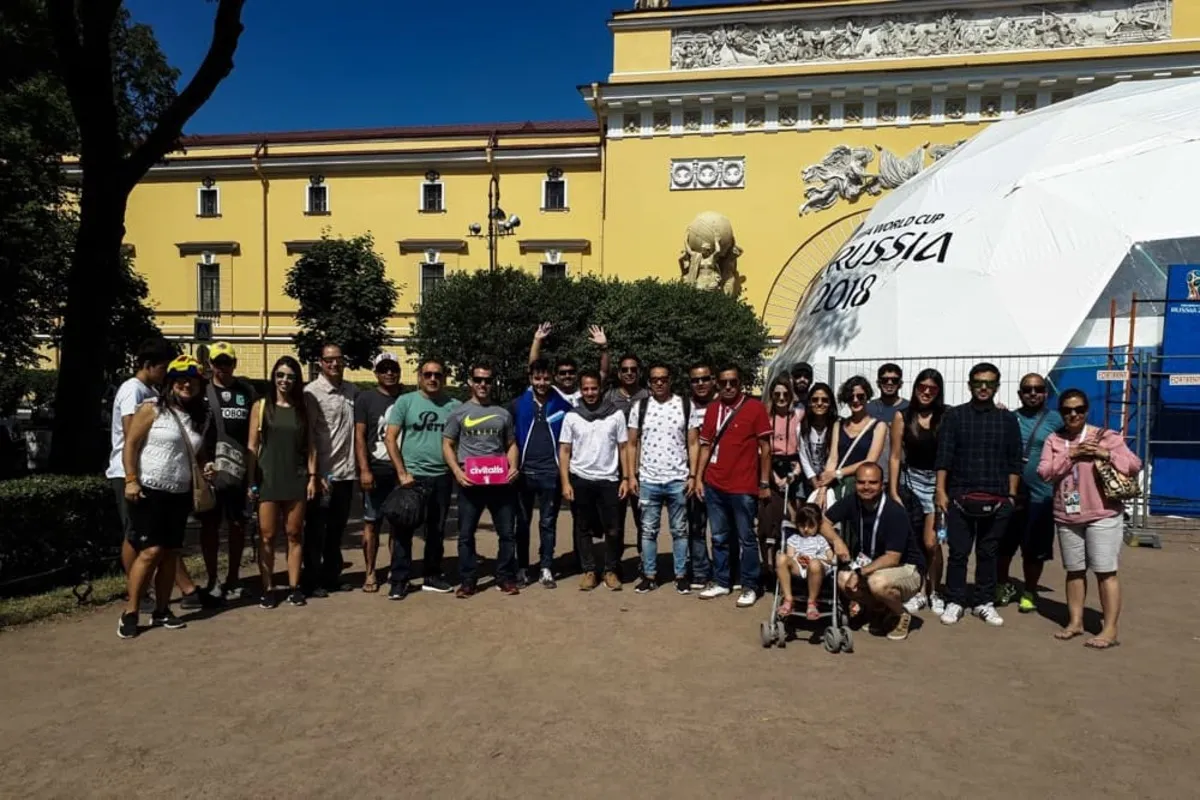
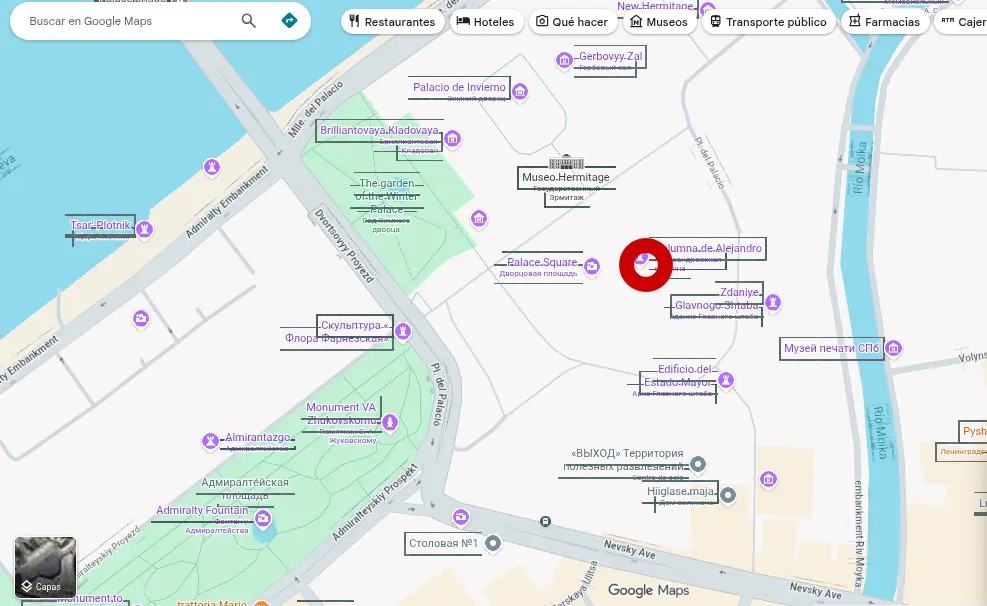
The tour begins right at Palace Square, next to the monumental Alexander Column.
The Most Emblematic Landmarks Witnessed During the Tour:
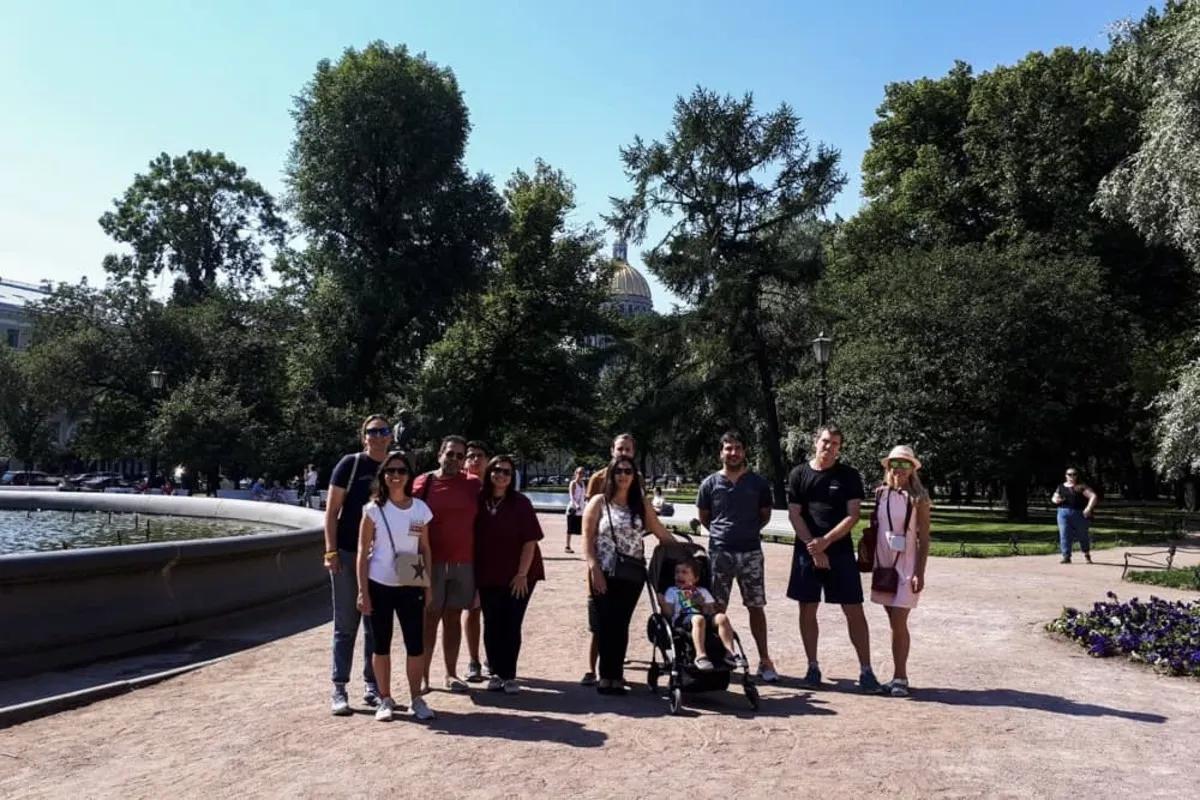
- A pleasant walk through the Alexander Gardens (Alexandrovskiy)
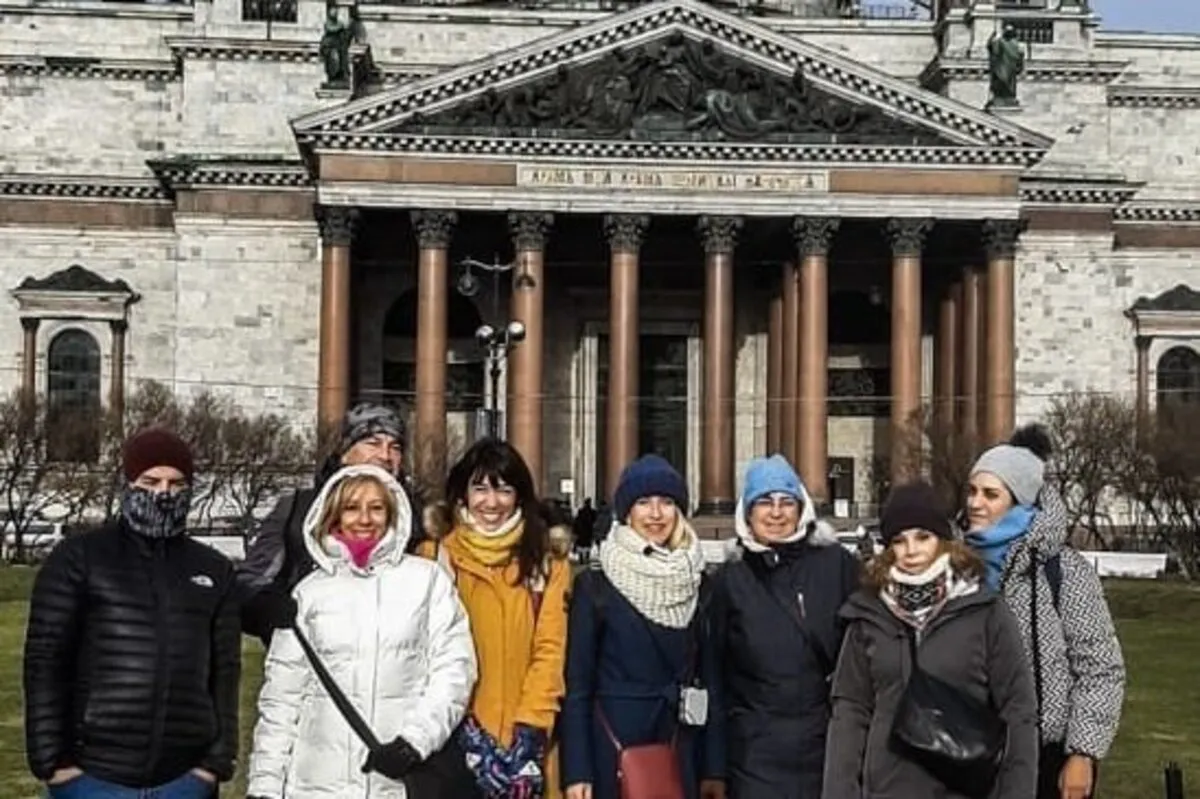
- St. Isaac’s Cathedral (boasting the largest solid gold dome in the world)
- The Bronze Horseman (the legendary equestrian representation of Tsar Peter I)
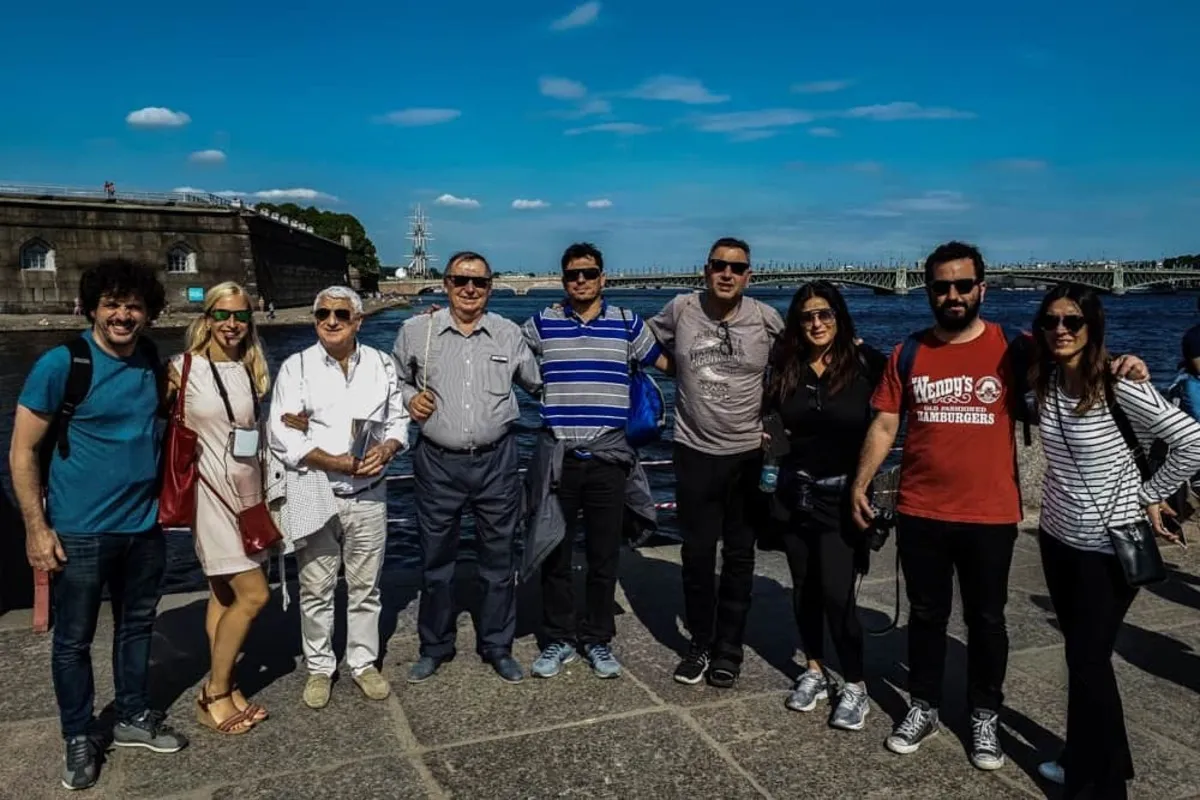
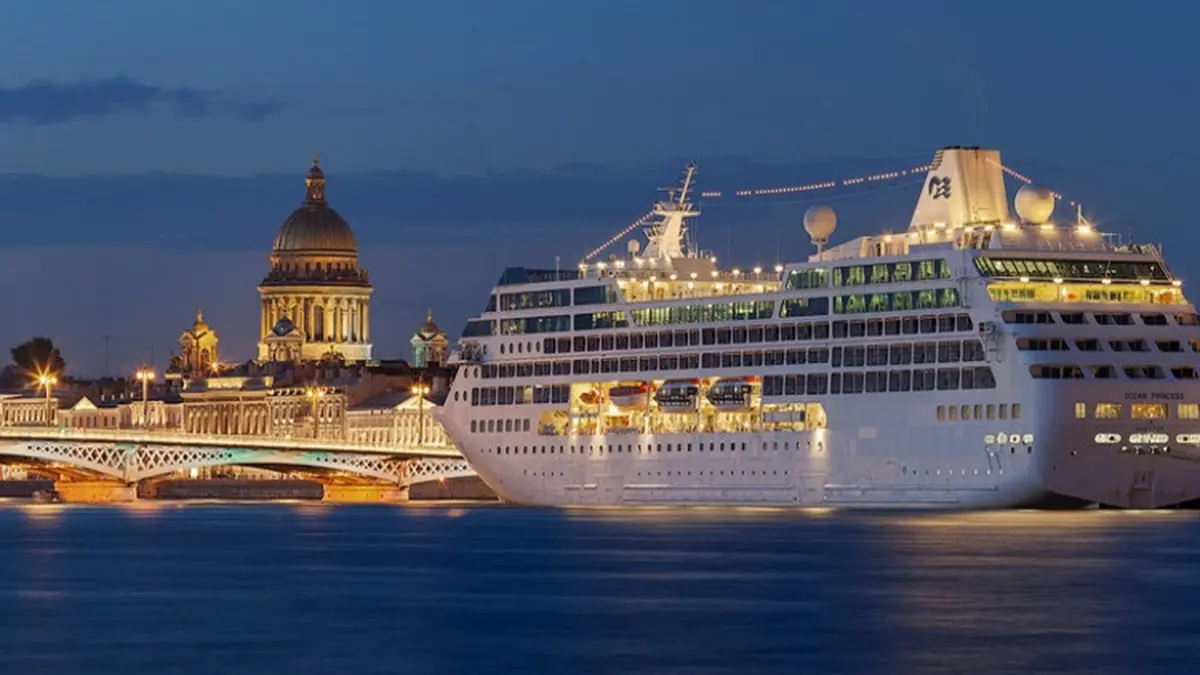
- Walking tour along the Neva River embankments
- Panoramic layout of Vasilyevsky Island (featuring 1800s palatial structures)
- Nevsky Avenue (Nevsky Prospekt)
- The historic Stroganov Palace
- The Cathedral of Our Lady of Kazan
- Stroll along the shores of the Griboedov Canal
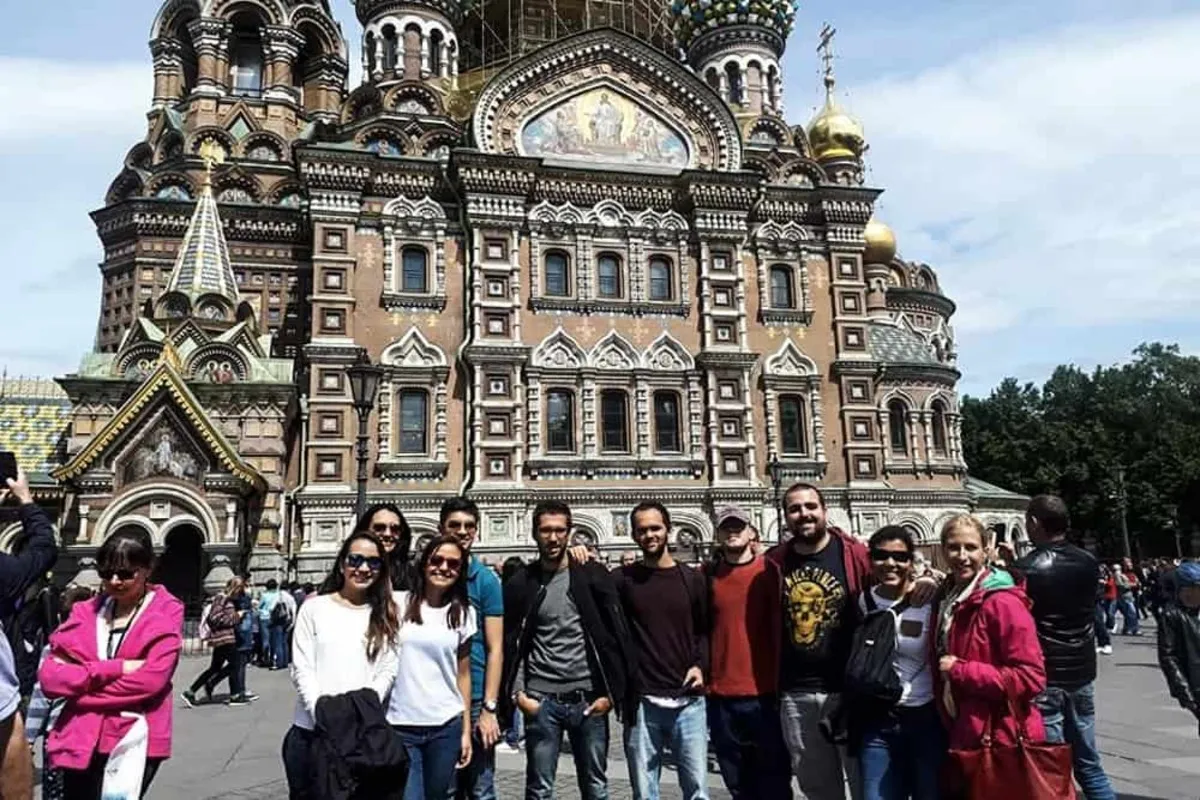
- Admiring the dazzling exterior architecture of the Church of the Savior on Spilled Blood
- The municipal library building
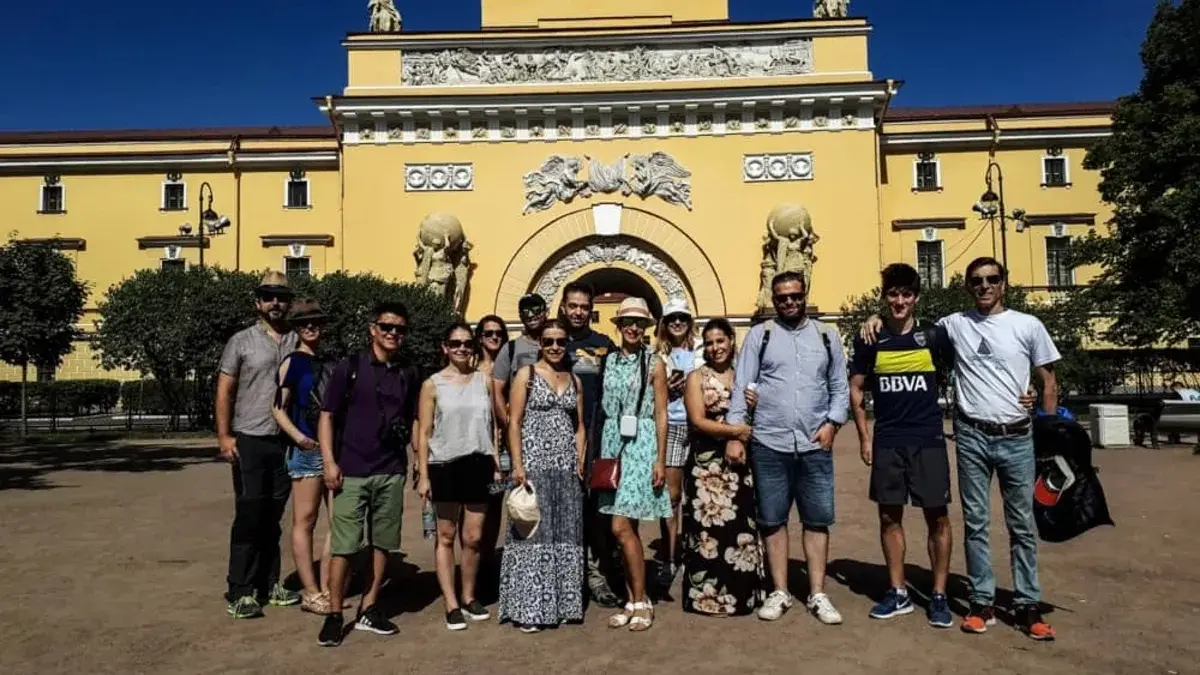
For 2.5 hours, we will be accompanied by a professional (OFFICIAL) guide to view almost all the landmark locations of the city while talking about the deep history of the imperial capital of Russia.
History of St. Petersburg
The historical foundation of St. Petersburg unfolded during the Great Northern War against Sweden (1700–1721), when Peter I sought to firmly establish his authority over all the territories surrounding the flow of the Neva River.
The First Stone of the Capital
In the spring of 1703, the Swedish fortress of Nienshanz, which was located right at the confluence of the Okhta River into the Neva, was successfully taken. The stronghold was situated in an inconvenient, small spot and could not shield the Neva River from Swedish attempts to reconquer it. Therefore, on May 16, 1703, on Hare Island in the Neva delta, Peter I decided to lay the foundation of a brand-new city and call it St. Petersburg, in honor of his patron Saint.
The city of St. Petersburg was at first merely a fortress composed of six earthen bastions, and nearby houses were built for Peter and his inner circle. To this day, a small wooden house belonging to the King has been perfectly preserved, consisting of only two rooms.
Initial Stages of the City
During the earliest phases of St. Petersburg’s foundation, there was not a single brick or stone building; even the high nobility lived in small mud-walled structures or rustic country-style homes with wooden and straw roofs. Naturally, this led to devastating fires; the most severe of the era occurred in the summer of 1710, destroying the market complex completely in less than an hour.
In addition to fires, the city was continuously threatened by massive floods, given that the entire terrain was a muddy, uninhabitable marshland set at sea level. During the early construction phase, thousands of workers died in the marshy soil and their bones remained buried there, which is why chronicles often refer to it as “the city built on bones.”
The Birth of the Fleet and the Transfer of the Capital
Almost immediately after the foundation of St. Petersburg, the massive construction of the Baltic Fleet commenced. At the Olonets shipyard, as early as 1703, they already held a fleet of 43 ships, and by 1705, shipbuilding started at the Admiralty shipyard in St. Petersburg proper.
St. Petersburg was envisioned by Peter I as an unbreakable bastion in the Baltic States, a commercial and military port, a strategic “window into Europe”. In 1713, the Tsar made St. Petersburg the official capital of Russia. This choice was driven by the fact that Peter thoroughly disliked Moscow, which was historically connected with an old past that hated his modern reforms.
Do you want to know more about St. Petersburg? With our expert guides on the St. Petersburg Free Tour, you will enjoy the city and its history in deep detail. To ensure you don’t miss the experience, we highly recommend providing your phone number when completing your booking.
Important Note about the Meeting Point
The meeting point is Palace Square, right next to the Alexander Column. Our guide will carry a Pink umbrella.
We work exclusively on a voluntary tip basis from the attendees. At the end of the tour, you will be the ones to value the service according to the details your trip deserves.