As occurs in the folkloric fabric of all nations worldwide, a rich variety of typical festivals coexist in Russia destined to celebrate the summer solstice and the rest of the annual cycles.
To celebrate the definitive end of the agricultural sowing, obtain the protection of the spirits of nature for the next harvest, properly harvest medicinal botanical herbs, and ensure the fertility of their livestock herds, Russian ancestors and various local ethnicities mastered specific seasonal rituals for each occasion.
In this cultural treaty, we have compiled the most interesting typical summer festivals from various regions and peoples of Russia that have managed to survive with total clarity to this day.
1. Ivan Kupala Festival: The Mysticism of Water and Fire
This is an ancestral celebration that adopts multiple names depending on the phonetics of each Baltic or Slavic nation: in Finland they baptize it as Juhannus, in Latvia and Estonia they call it Ligo, Jonines in Lithuania, Kupala in Belarus, and Ivan Kupala on the plains of Ukraine and Russia.
The main summer festival of these communities shares common pagan roots of great antiquity. In Baltic countries, faithful to the pre-Christian tradition, the holiday is coordinated exactly with the summer solstice day; however, in the physiognomy of the Russian civil calendar, Ivan Kupala Day is usually celebrated on July 7, making it institutionally coincide with the Nativity of St. John the Baptist by the Orthodox rite.
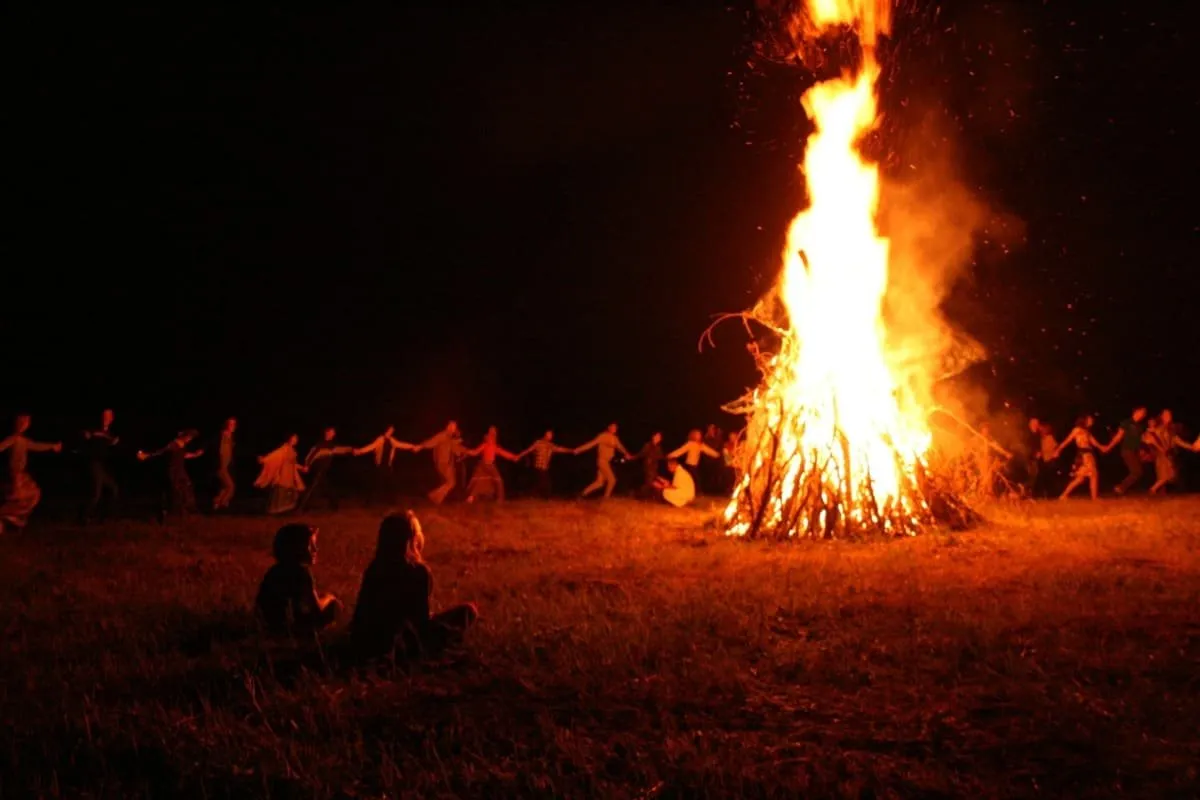
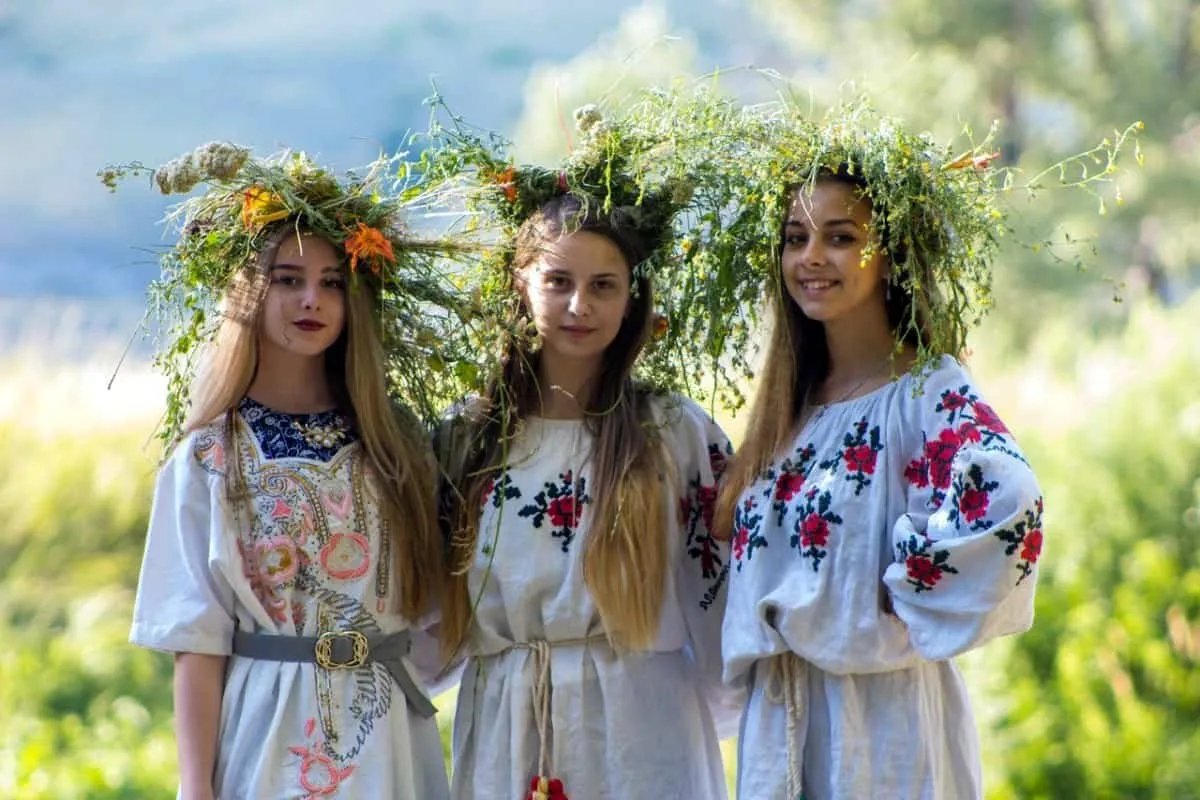
The liturgical and idyllic pattern of celebrating Ivanov’s night has not experienced substantial variations with the passing of centuries. During the shortest night of the year, custom dictates dressing in traditional embroidered shirts, cooking typical food, and organizing massive ritual games involving the purifying power of fire, water, and field herbs. Before sunset, it is mandatory to submerge and swim in the currents of rivers or lakes.
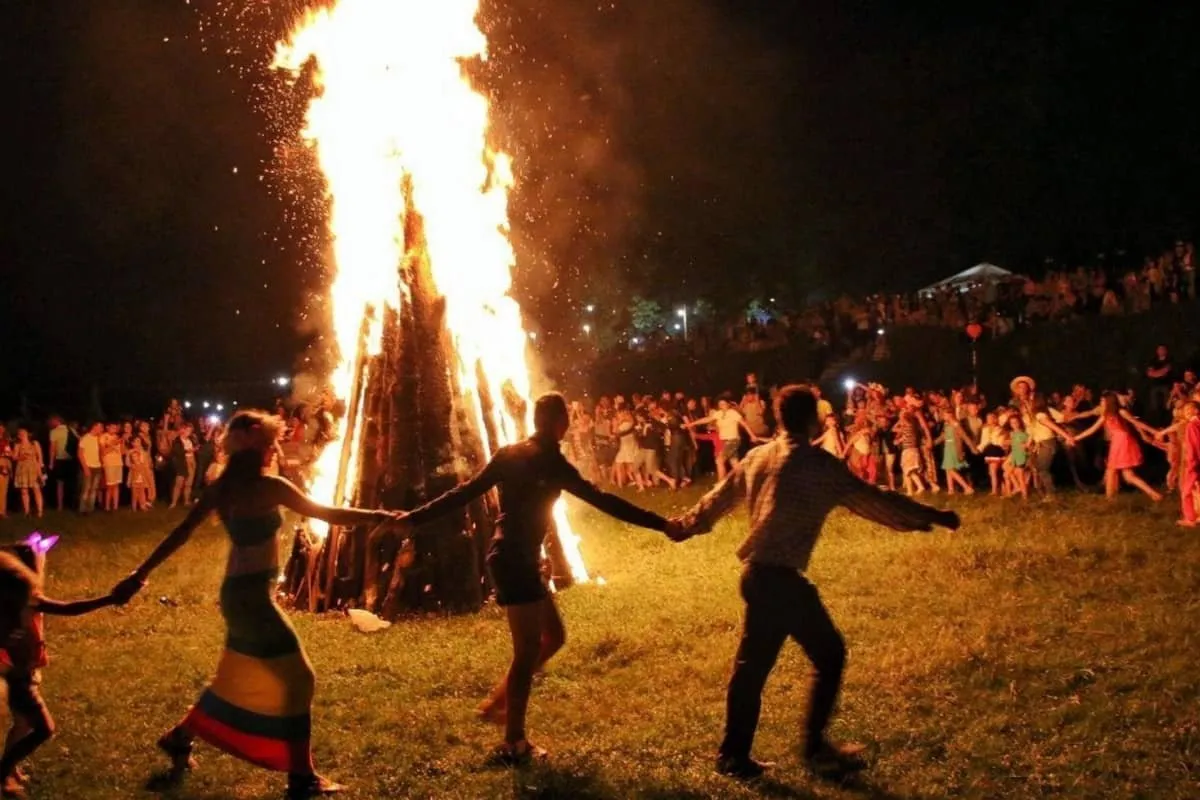
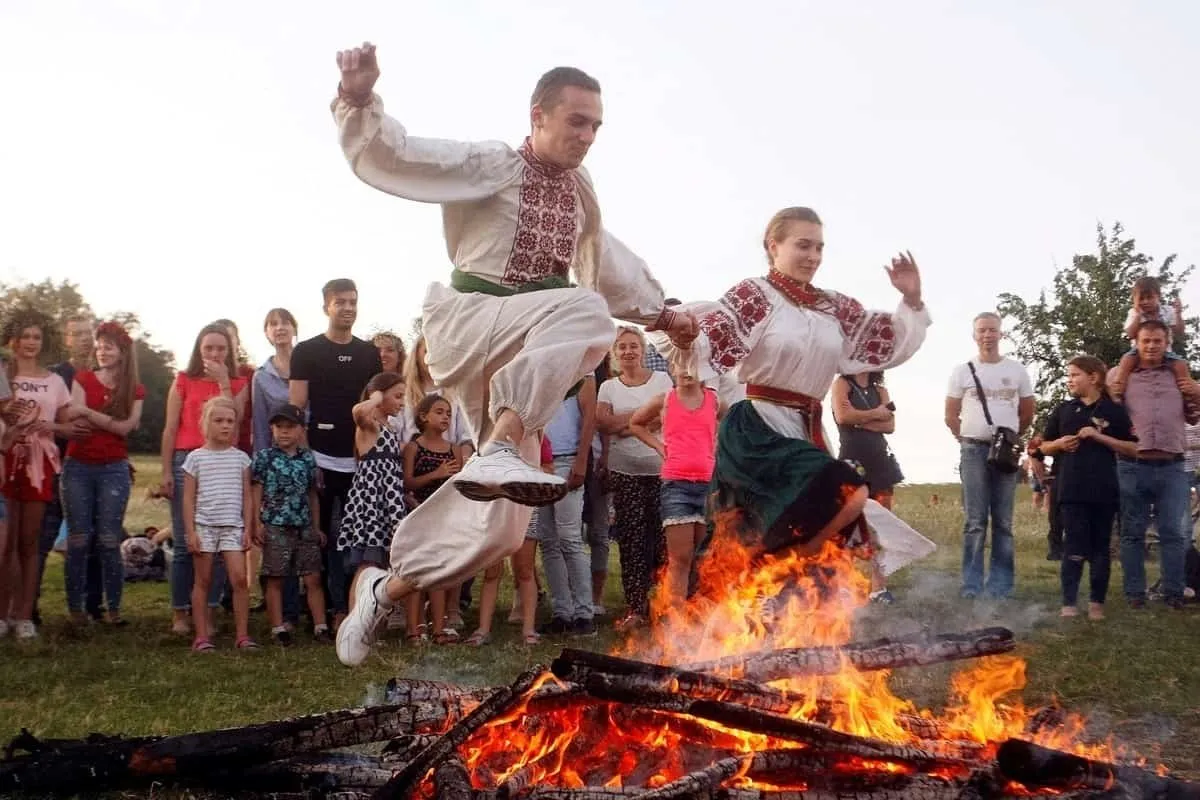
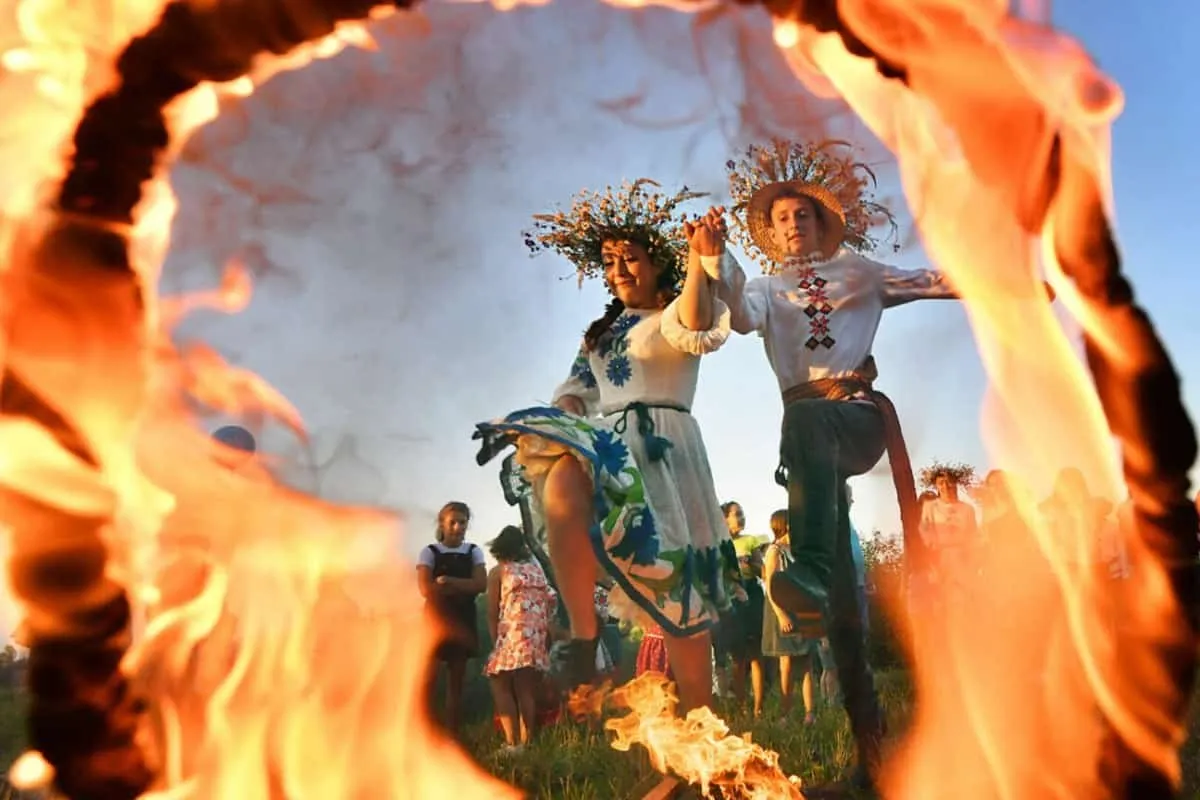
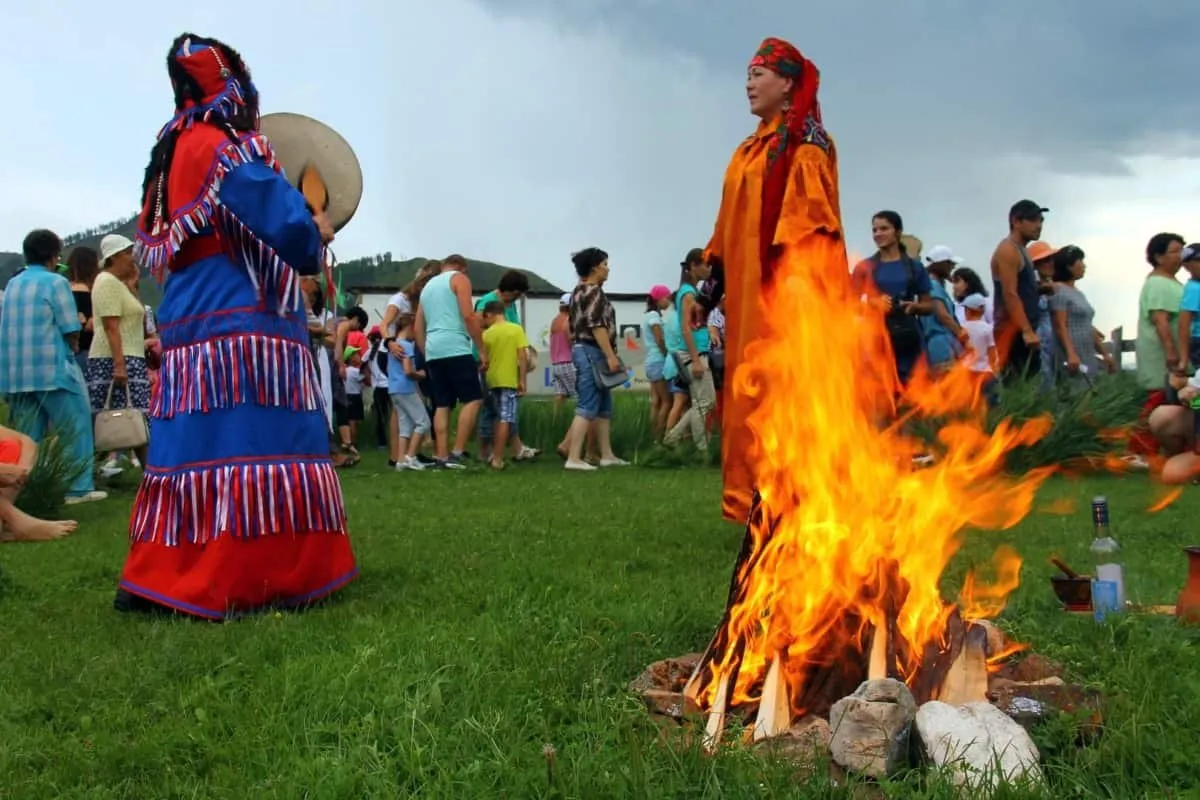
At midnight, immense bonfires are lit in forest clearings and young people compete by jumping over the flames in pairs to demonstrate their bravery. Likewise, women gather nighttime wildflowers to weave elastic wreaths. Following the celebrations, these garlands are dried in the sun and kept inside homes as an amulet with protective and healing powers.
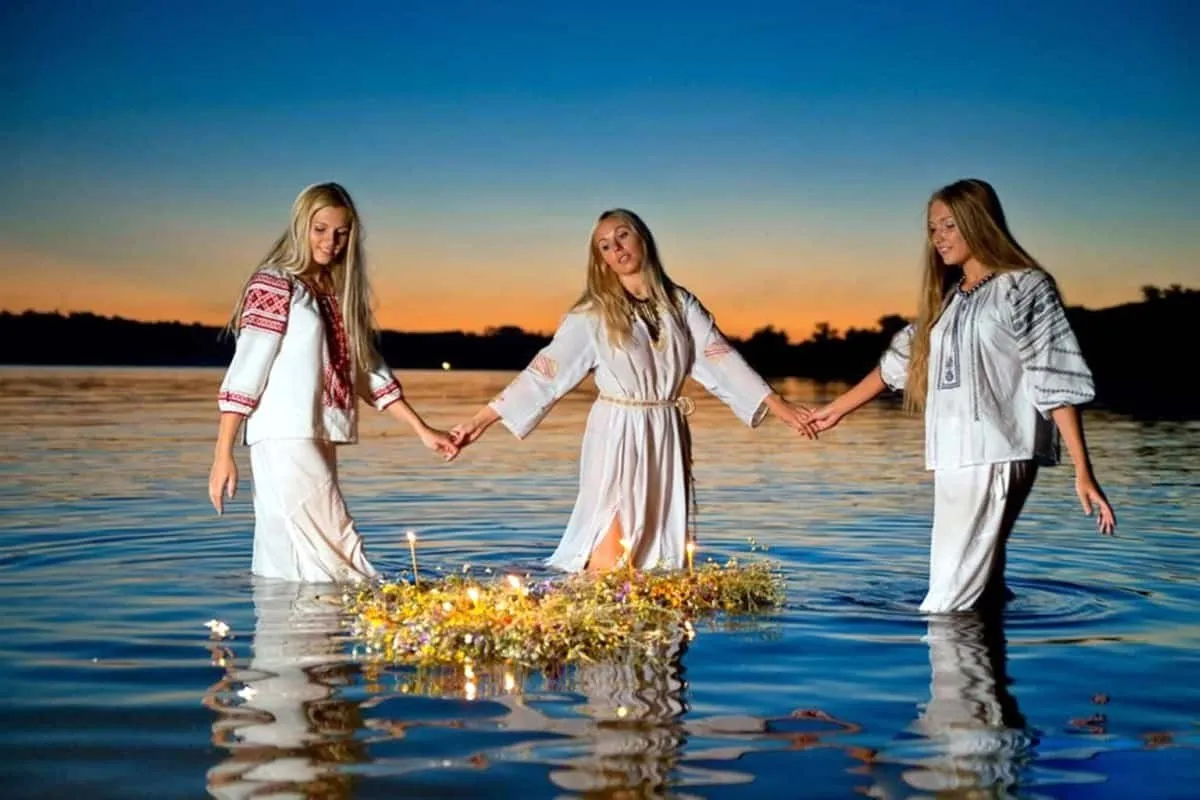
Similarly, Kupala night is used to conduct marriage divinations: single women throw their floral wreaths into the river currents, observing their flow; if the garland floats quickly towards the center of the channel, tradition augurs an upcoming marriage, a long life, and total happiness.
2. Ysyakh: The Pastoral New Year of Yakutia
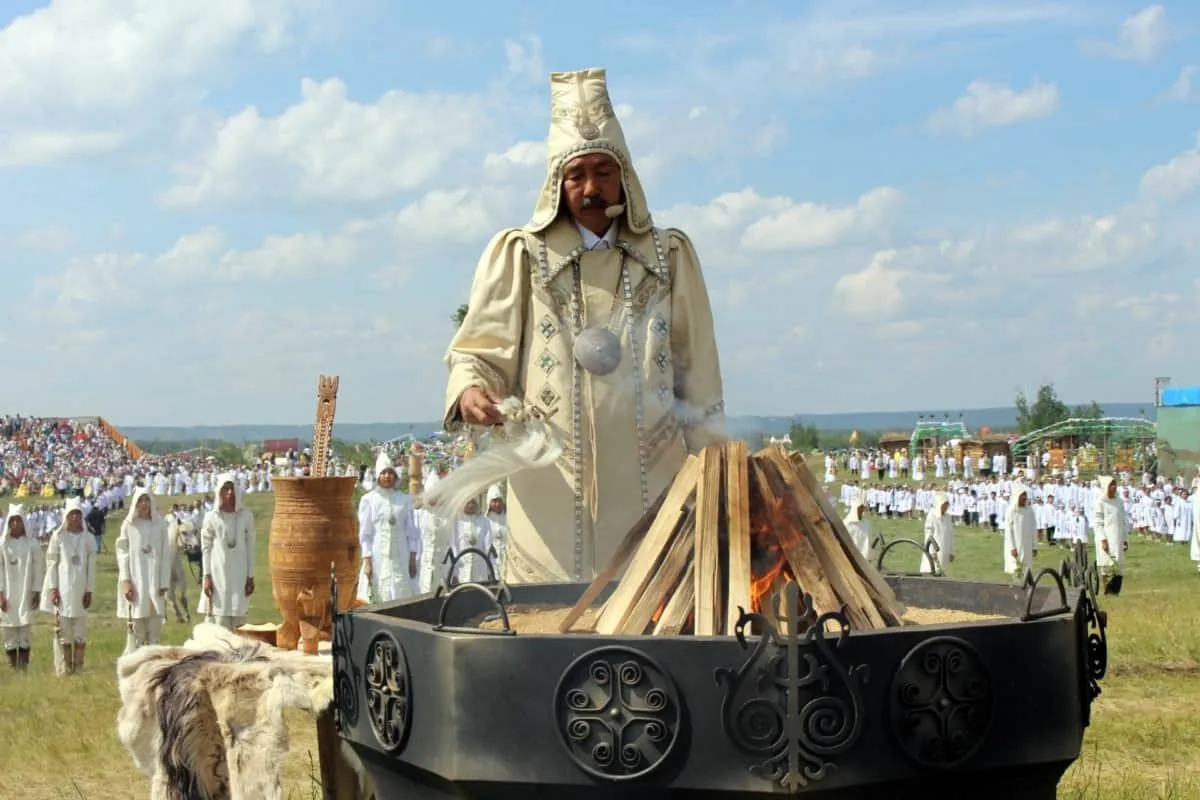
The main summer celebration of the Yakut people in the immensity of Siberia is Ysyakh. Traditionally coordinated with the summer solstice on June 21, this milestone formally marks the start of the New Year according to the historical pastoral calendar of the boreal steppes. In these days of perpetual light, Yakut ancestors organized solemn ritual assemblies to pay homage and receive the Aiyy deities, the patron spirits responsible for ensuring prosperity, horse breeding, and livestock multiplication.
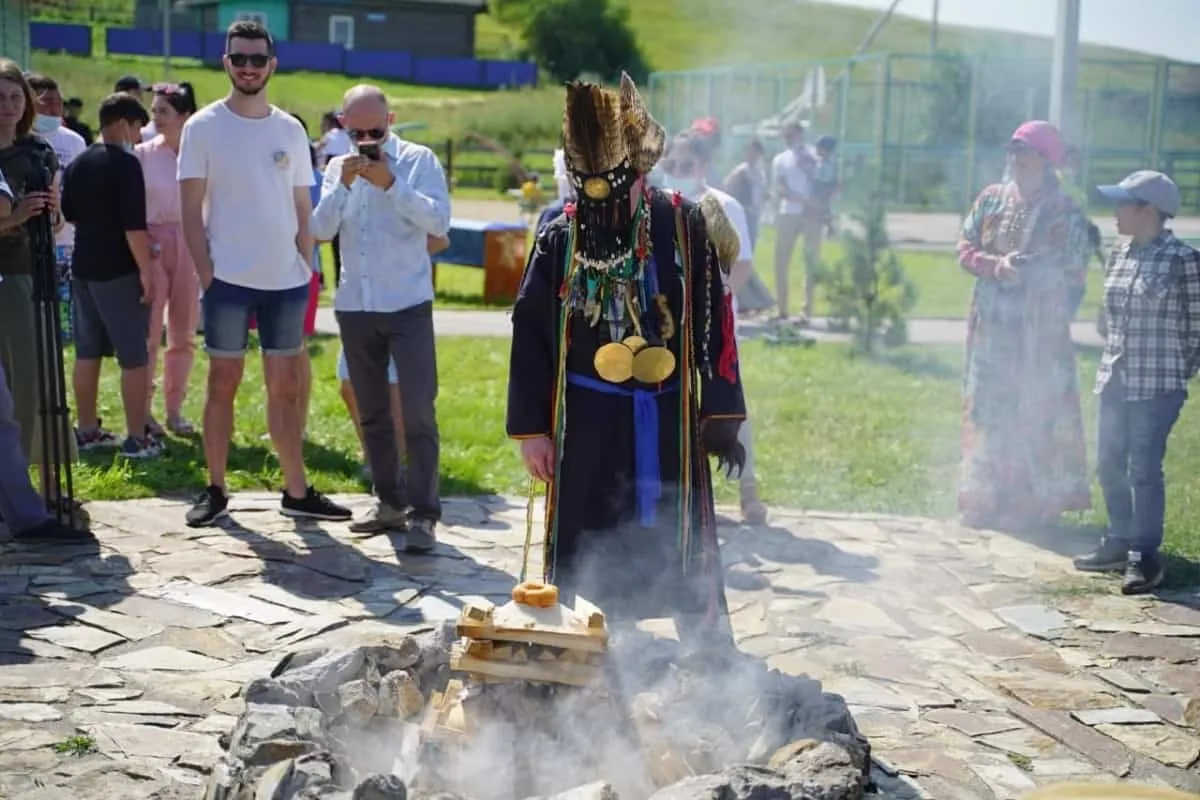
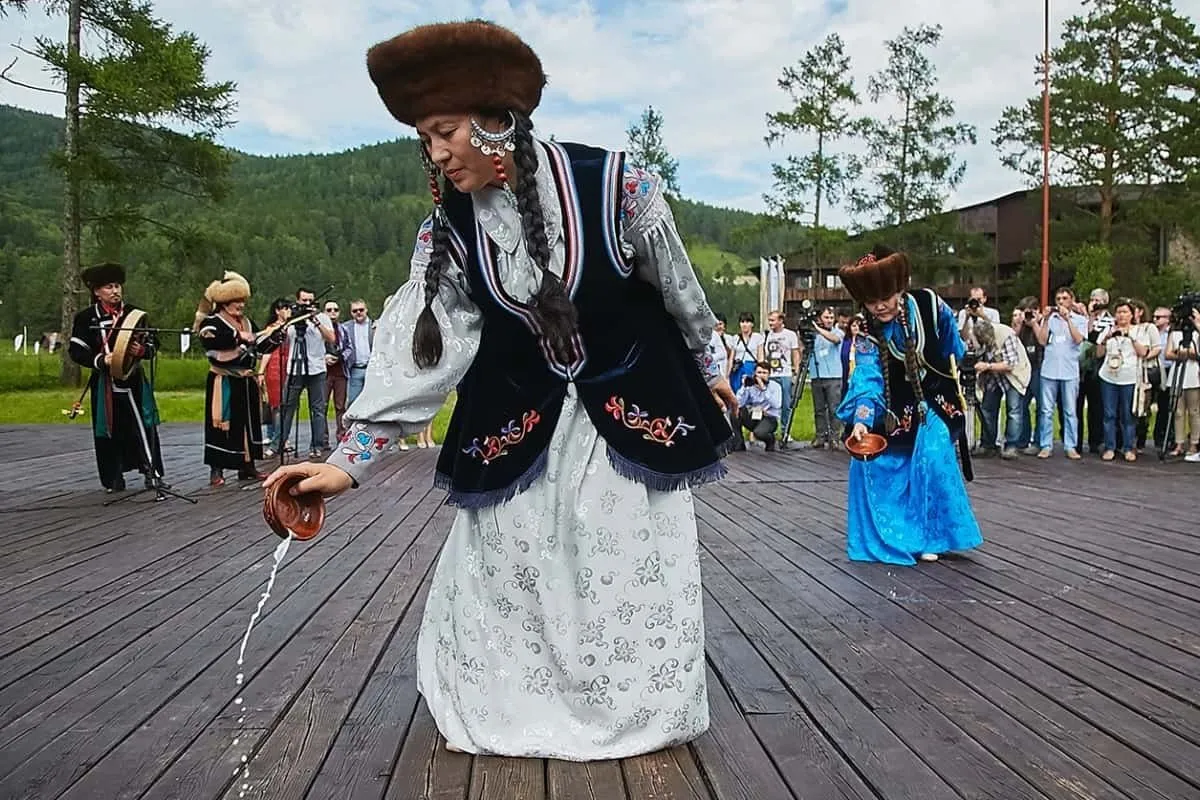
Etymologically, the word Ysyakh is derived from the native root Ys, which describes the action of "splashing" or "pouring." From this concept stems the central ritual of the holiday, during which the shamans of the taiga sprinkle the woods of the earth and feed the sacred fire by pouring Kumys (a traditional lactic drink made from fermented mare’s milk), likewise treating all guests.
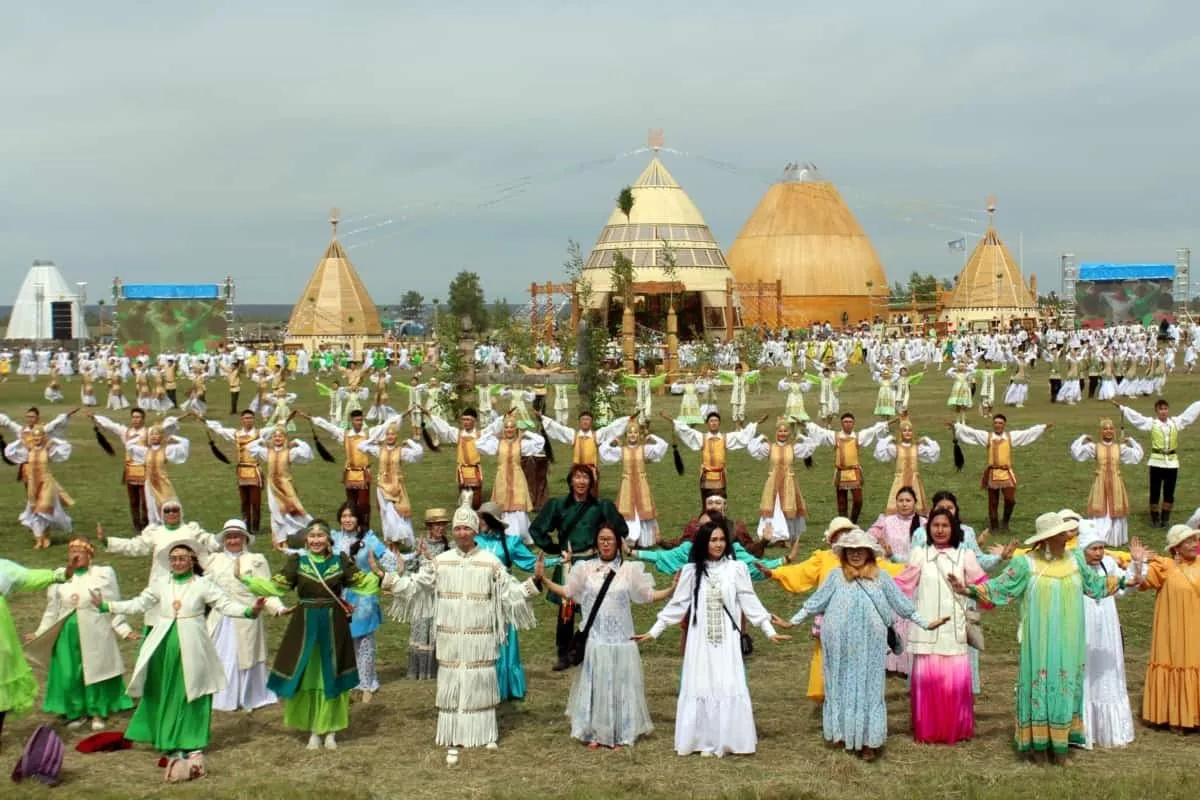
The celebration is strictly organized by delimiting a large elastic circle flanked by young birch trees, considered the sacred tree of Siberian culture.
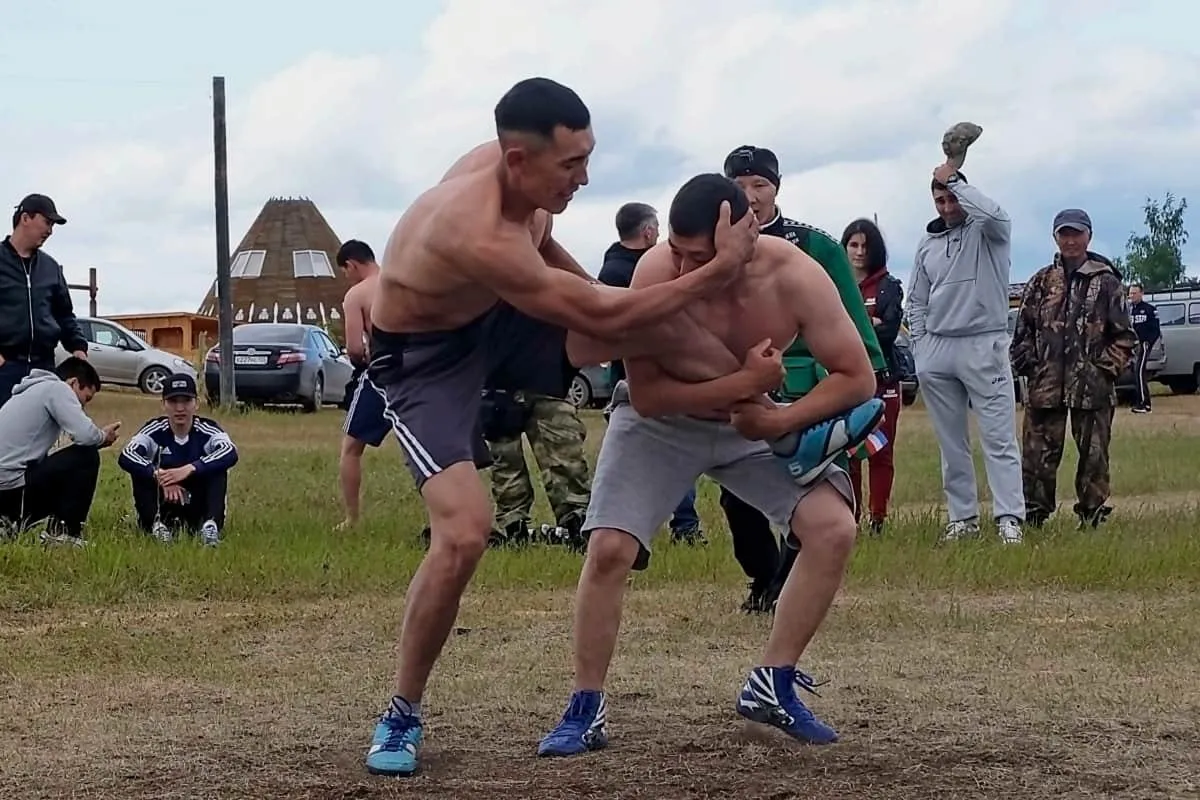
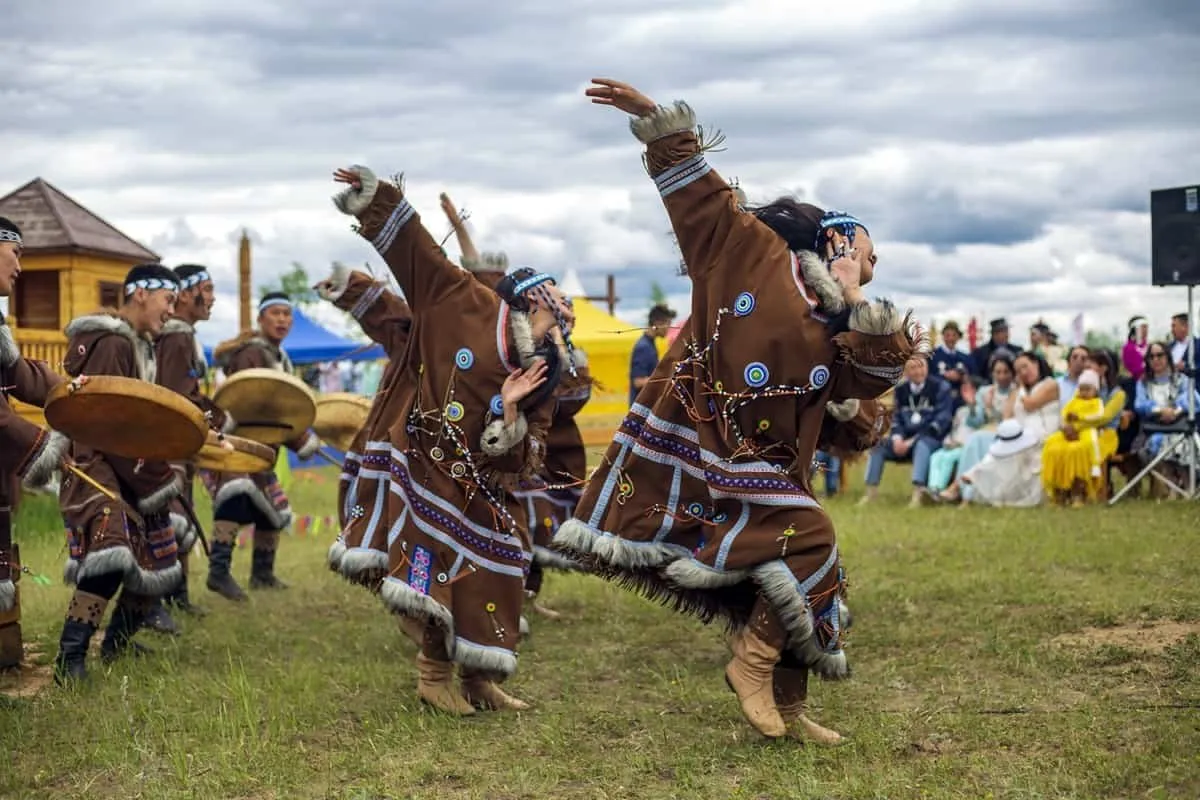
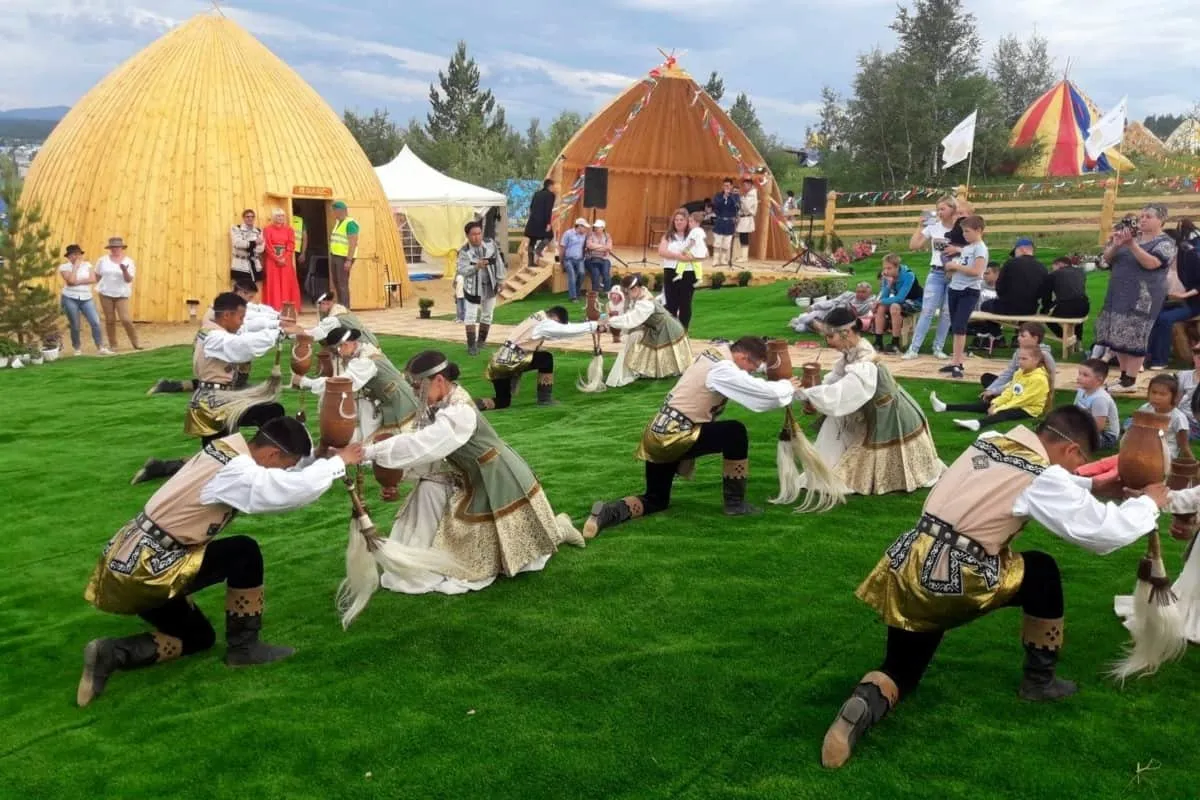
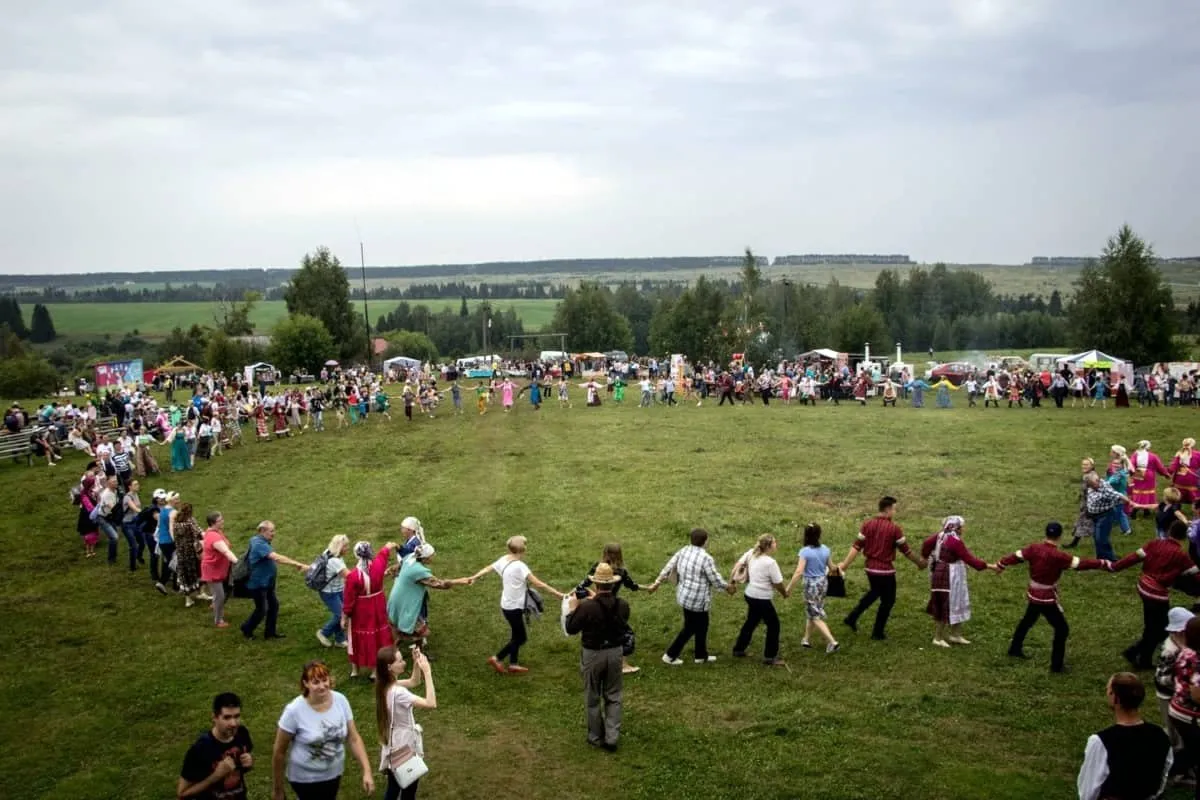
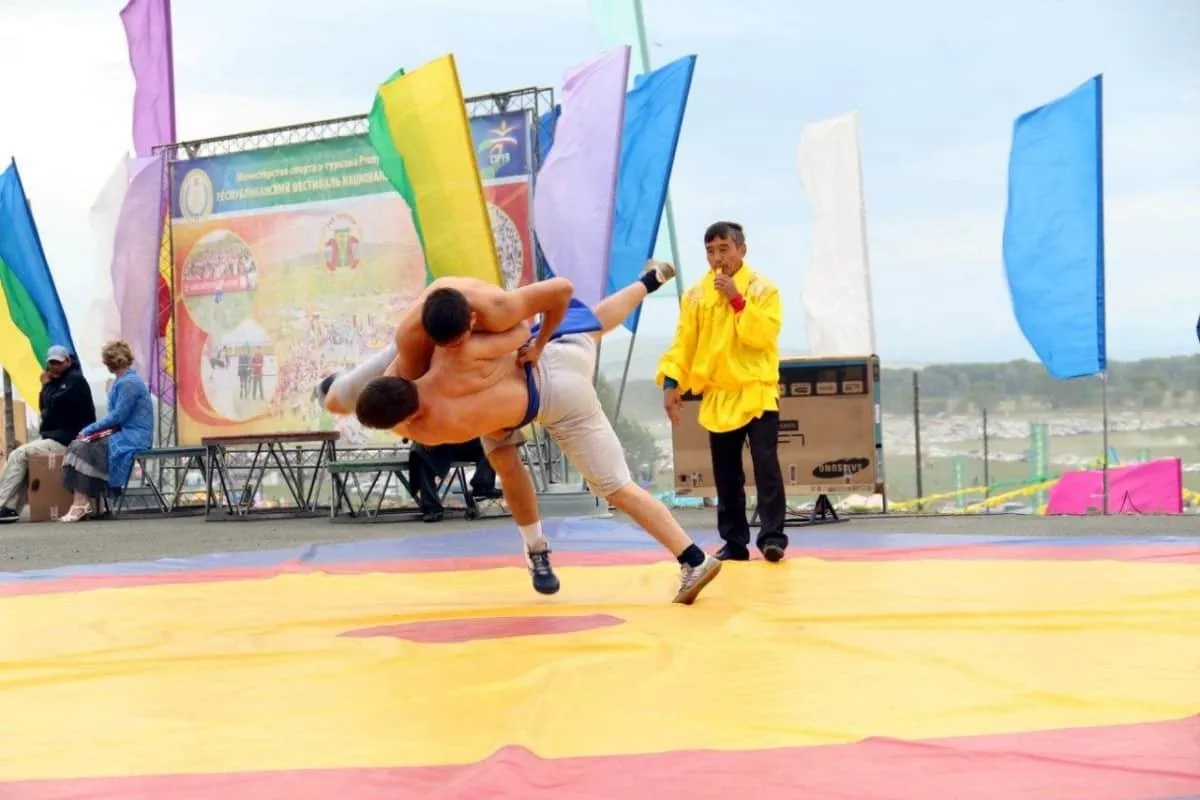
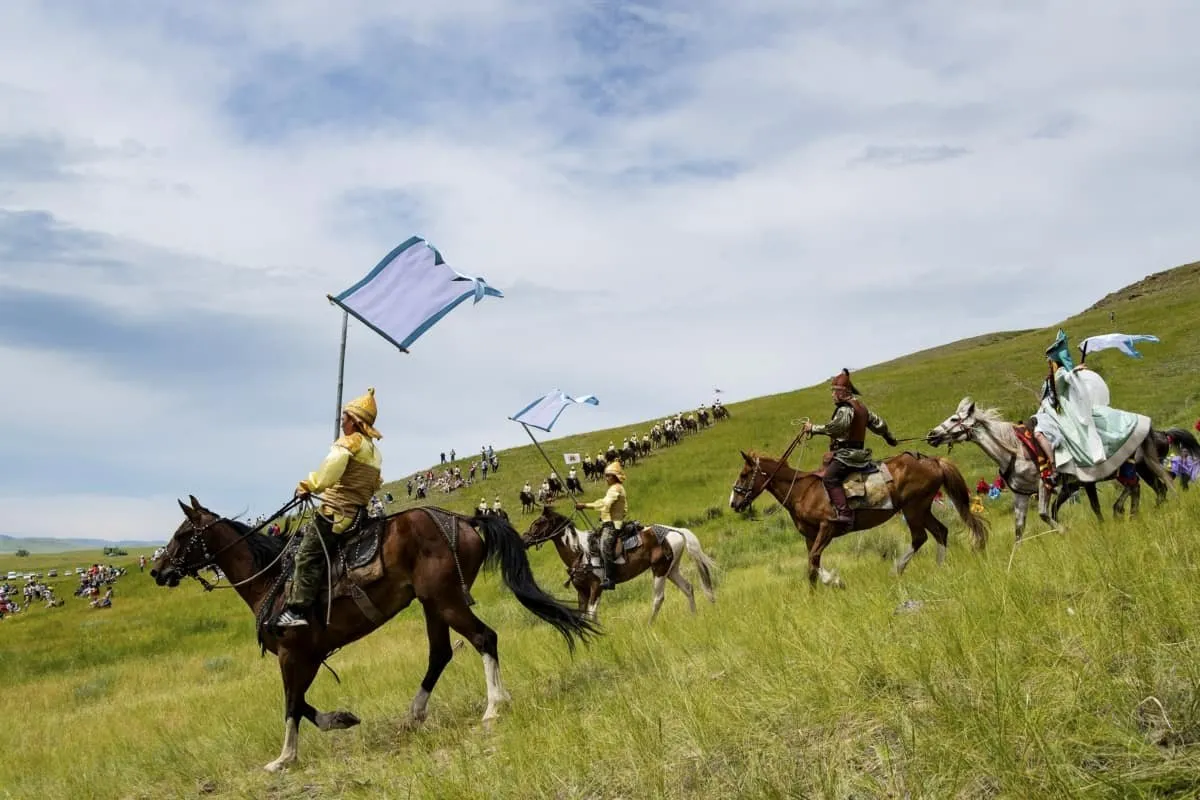
During the festive days, vibrant wild horse races, triple jump athletic contests, and traditional Yakut wrestling tournaments are programmed, disciplines that act as a direct echo of old ritual games of seasonal transition. The social epicenter of the festival is the Osuokhay, an immense massive circular dance where participants hold hands and move rhythmically, simulating the flow of the sun in a clockwise direction; every guest has a moral duty to complete at least one full round of this circular dance to attract fortune upon their family.
3. Sabantuy: The Plough Festival of the Tatar Peoples
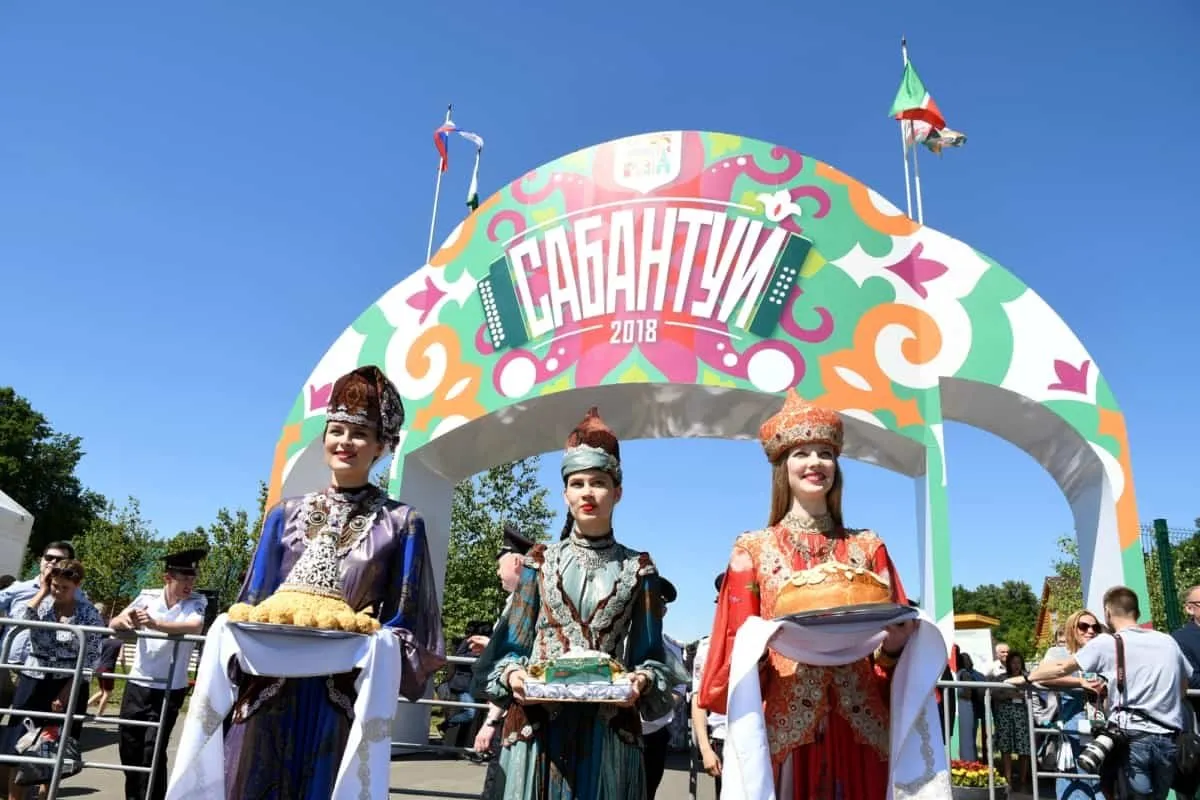
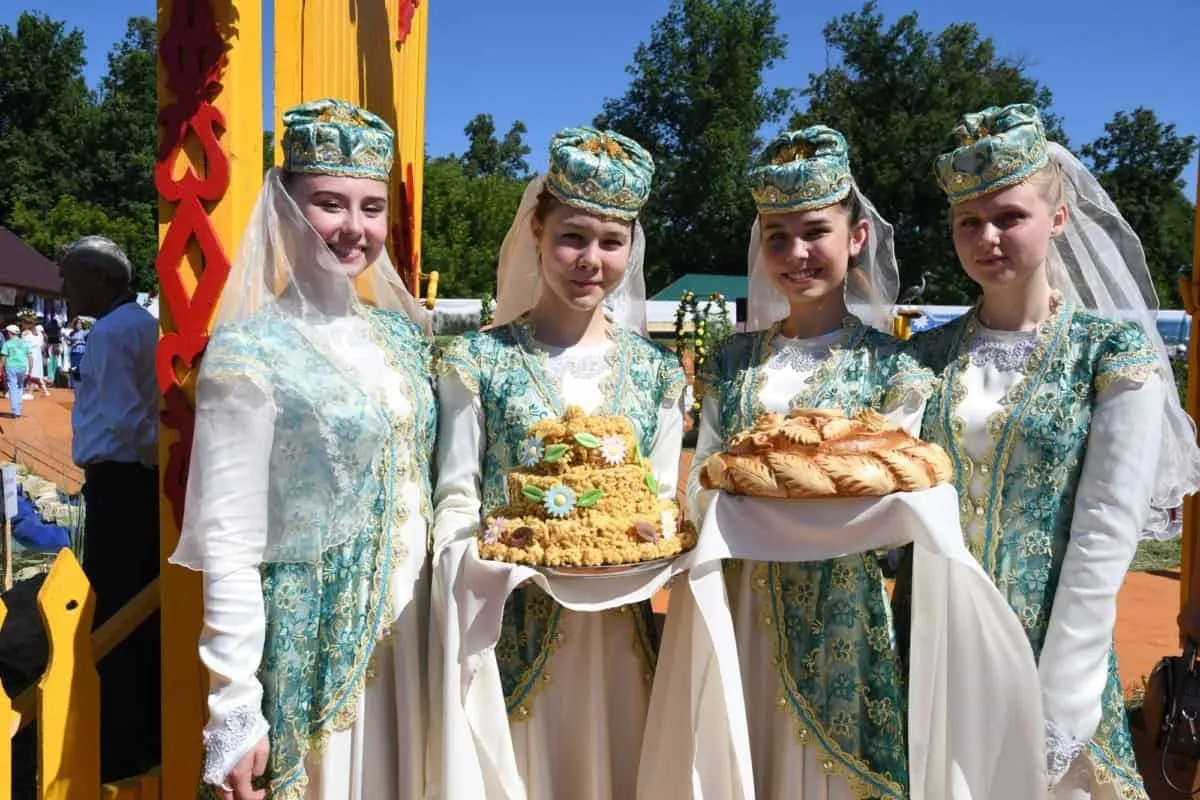
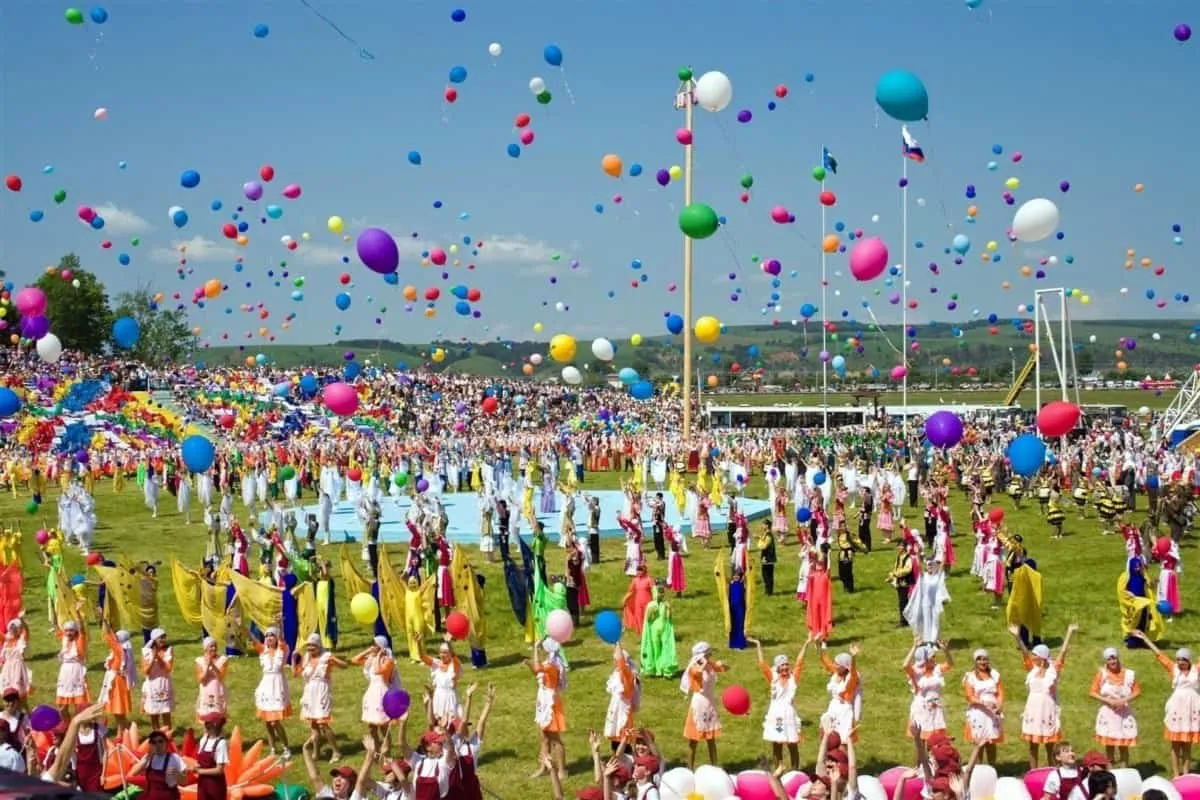
The roots of Sabantuy sink into the annals of the Eurasian Early Middle Ages. The physiognomy of its name was forged by coupling the Turkic words Saban (which describes the "plough") and Buy (which translates to "wedding, party, or celebration"). In its remote origins, Tatar clans celebrated this milestone in the middle of spring to invoke earth’s fertility before starting harsh tillage labors; however, in the era of Soviet infrastructure, the date practically moved towards the beginning of summer to joyfully celebrate the definitive end of sowing campaigns.
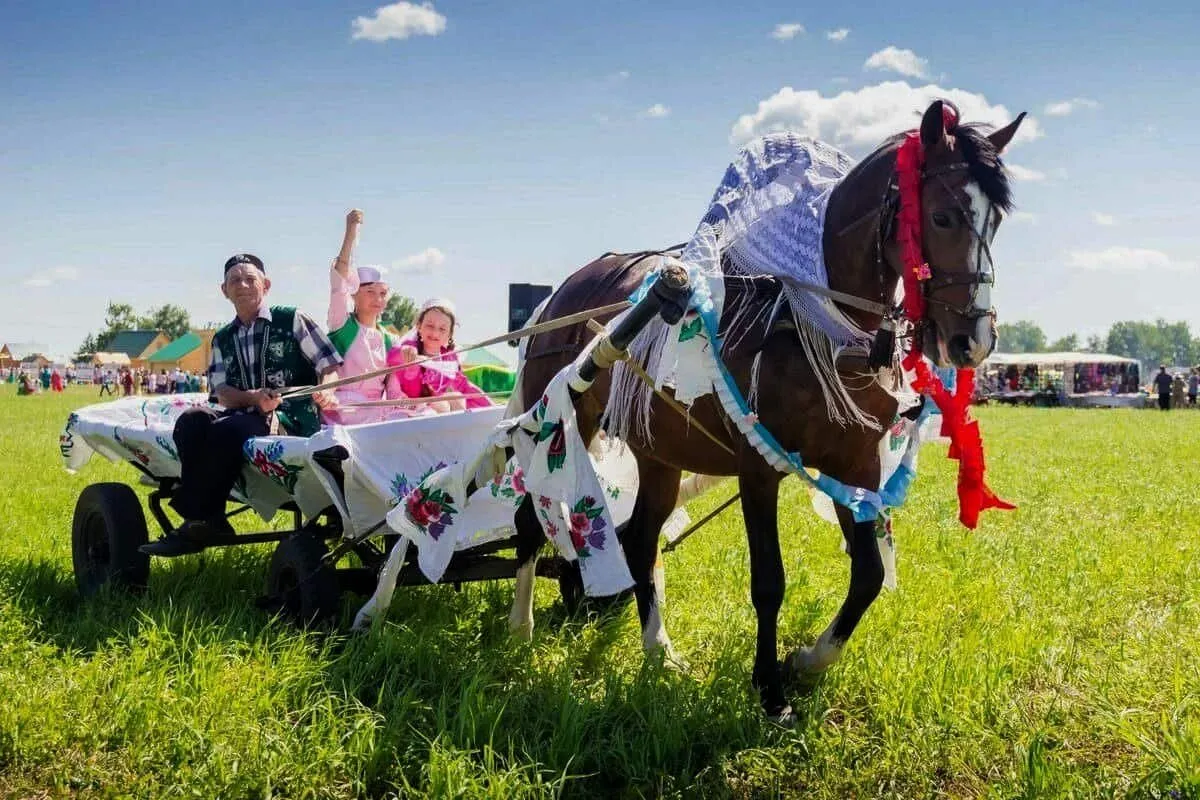
At present, Sabantuy constitutes the absolute national festival of the republics of Tatarstan and Bashkortostan, being also celebrated with great pomp in the main capitals of Russia and international centers where Tatar communities reside. The grand Federal Sabantuy is usually organized at the beginning of July in the city of Cheboksary.
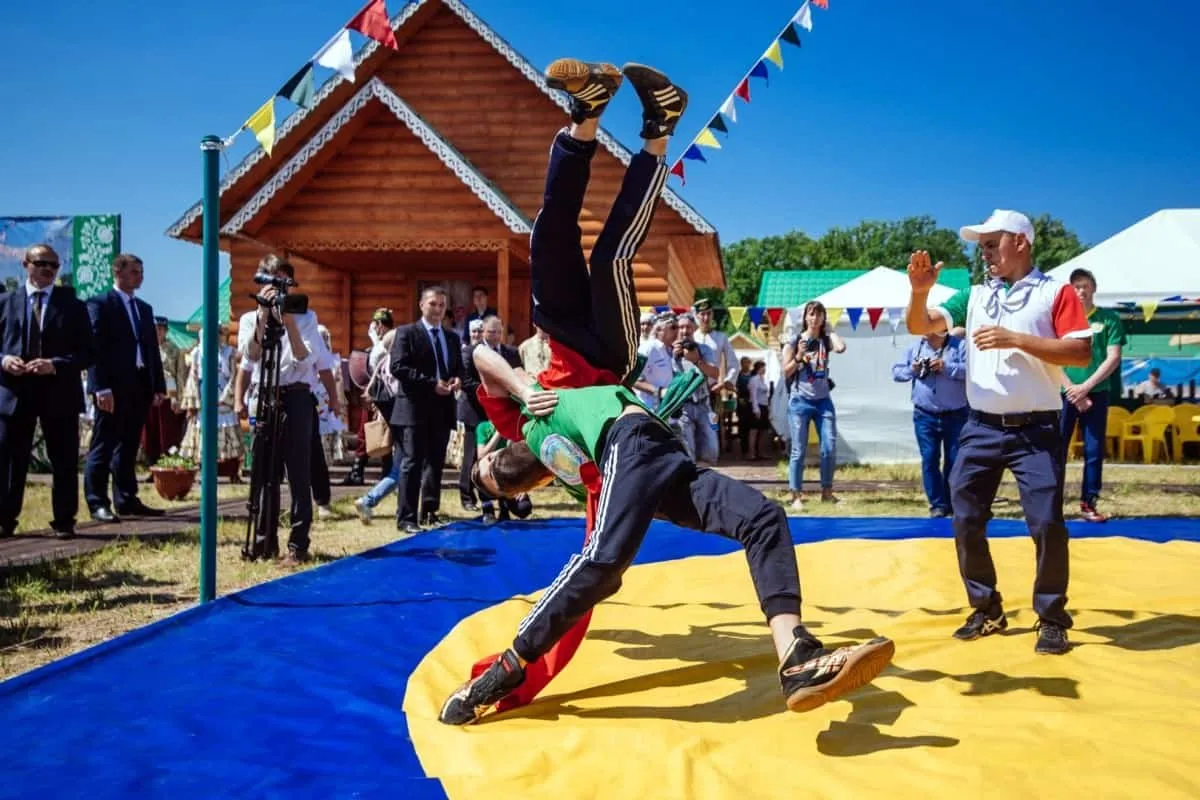
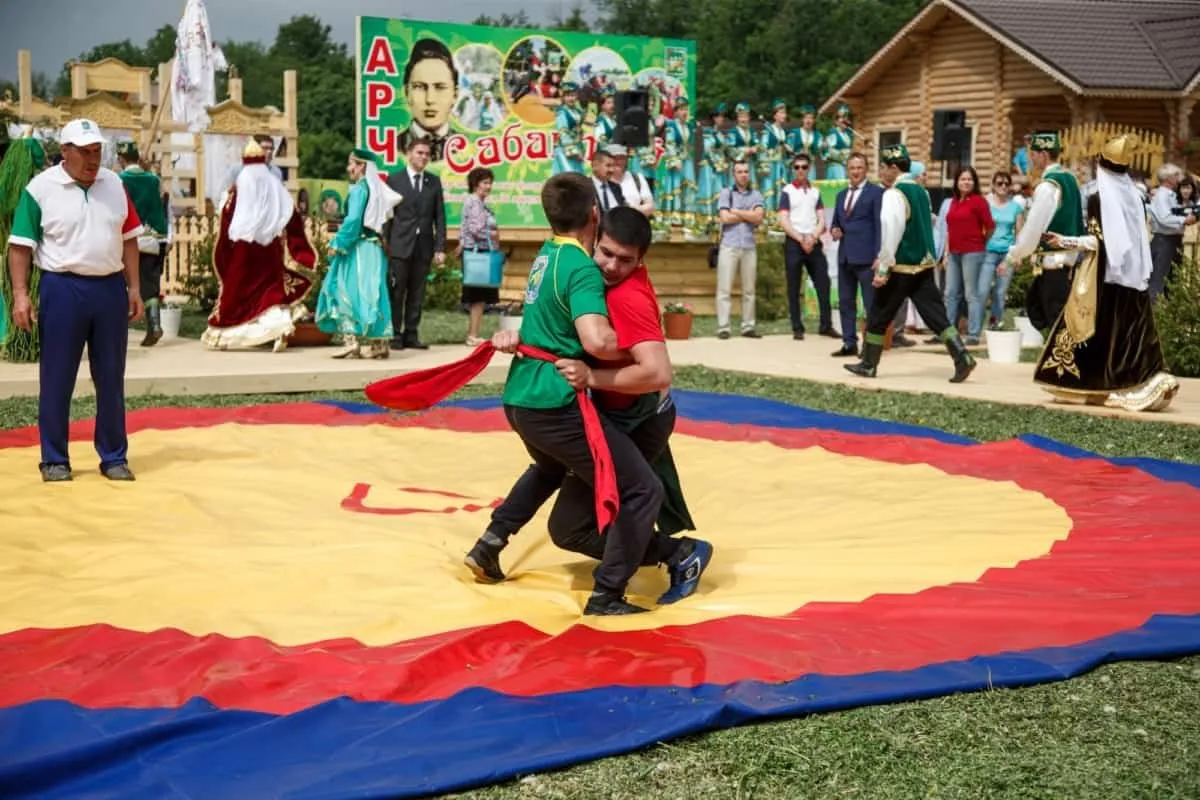
The traditional guidelines preserved with greatest institutional zeal cover wrestling tournaments on mats (Kuresh), long-distance runner races, and equestrian exhibitions by Tatar riders.
Throughout the 19th century, funny popular comic contests were incorporated that today unleash laughter among our agency’s tourists: speed races inside burlap sacks, climbing a completely smooth and greased vertical pole 10 meters high, balance fights on logs hitting each other with sacks stuffed with straw, and the traditional team tug-of-war game.
4. Semik: Remembrance of the Taiga Souls
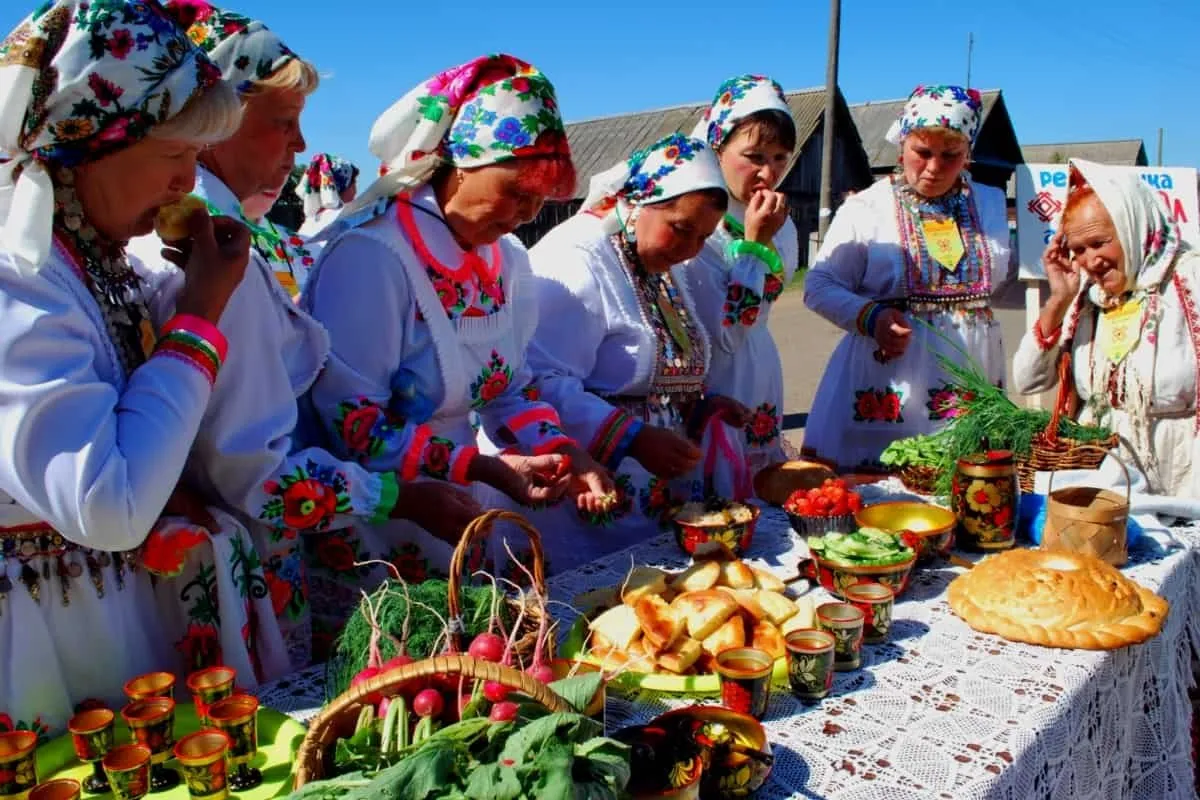
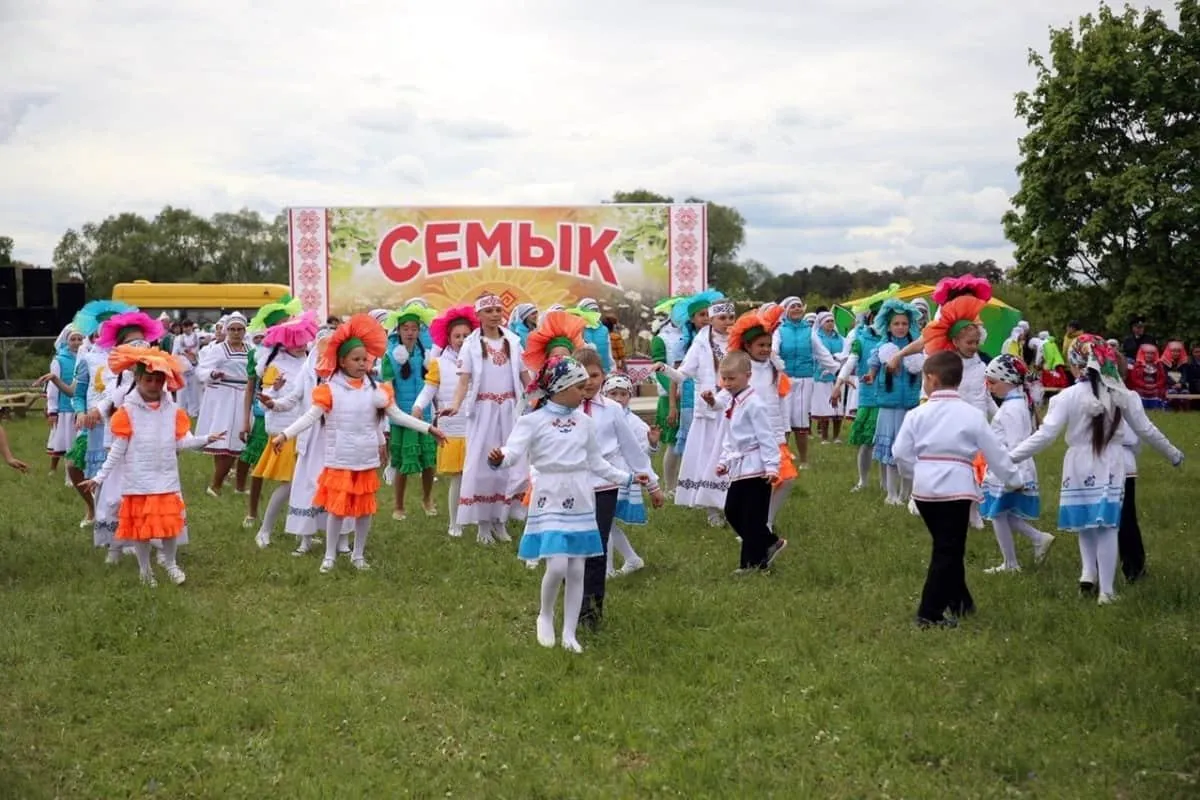
This is a festival of great importance marking the arrival of summer. It is related to the ancient Slavic festival of Green Holy Days, whose main day was Semik.
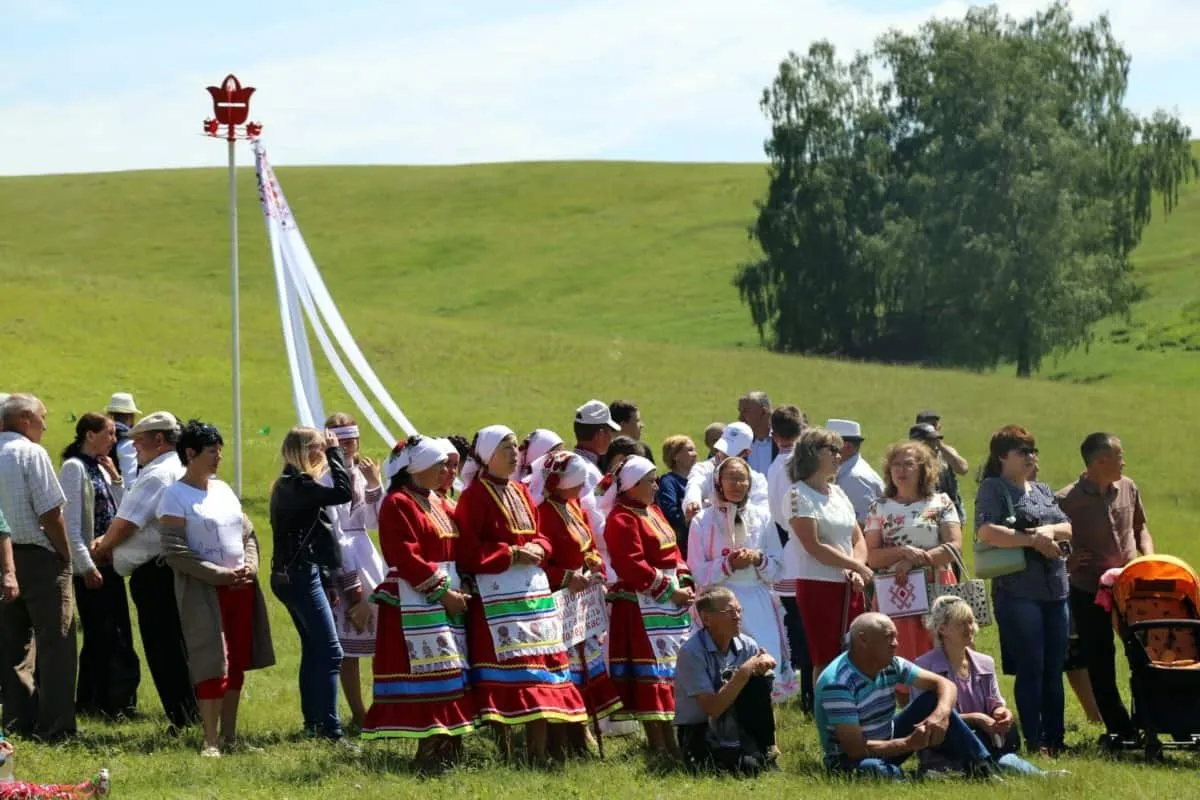
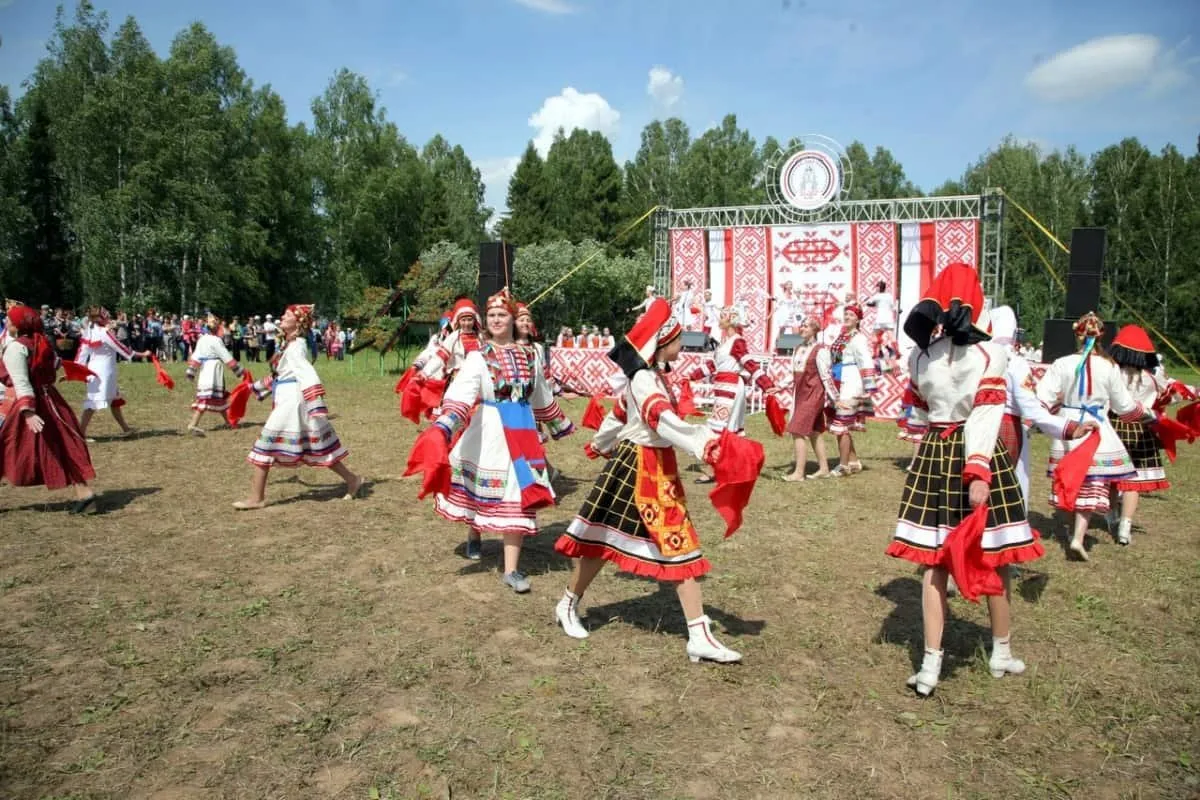
It is celebrated shortly before Trinity, the seventh Thursday after Easter. In Russia, however, this festival was displaced by the Orthodox Trinity; for the baptized Mari people, Semyk exists as an independent festival today. They celebrate it during Trinity week—from Wednesday to Sunday. On these days, the Mari people commemorate deceased relatives.
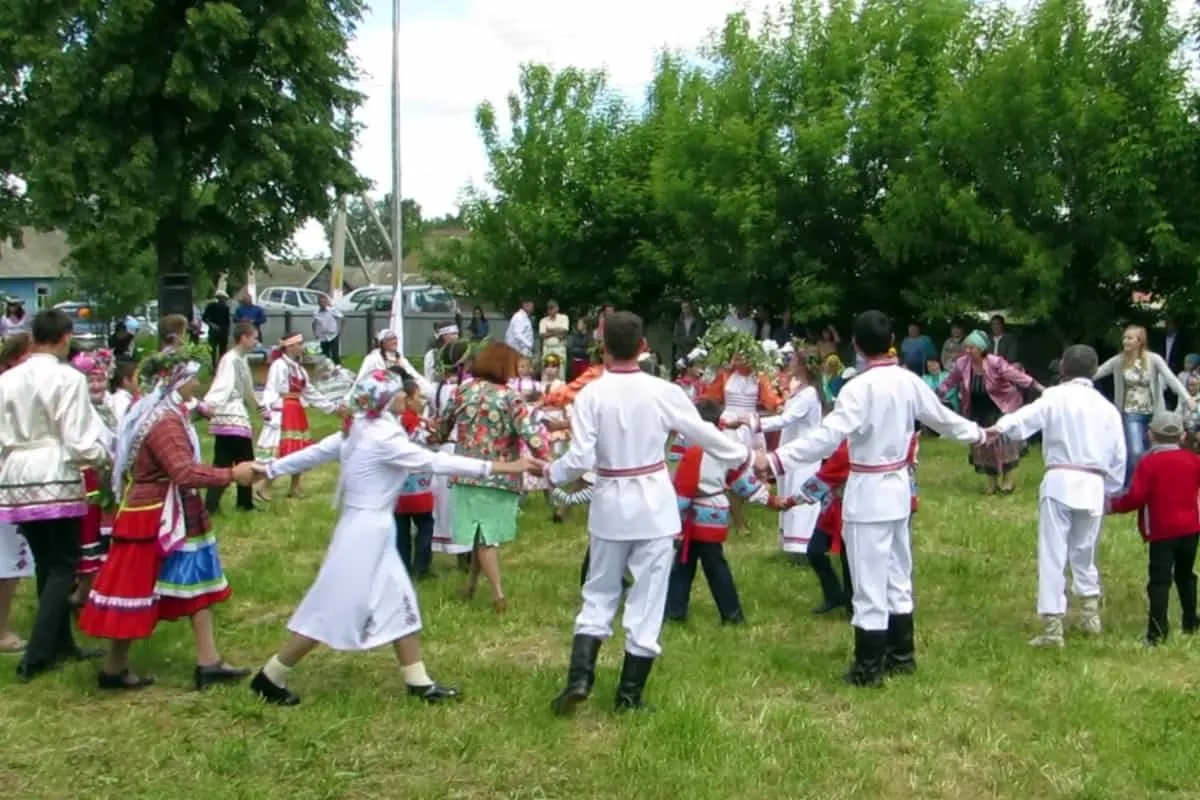
The first day of Semyk was always considered especially dangerous. In ancient beliefs, it was stated that the souls of the dead woke up from hibernation, so people tried not to leave the house and not drive livestock out of the yard so that no curse would fall upon them.
To soothe the deceased, each Mari family held a commemorative dinner: for the dead, a gift was placed on a separate plate.
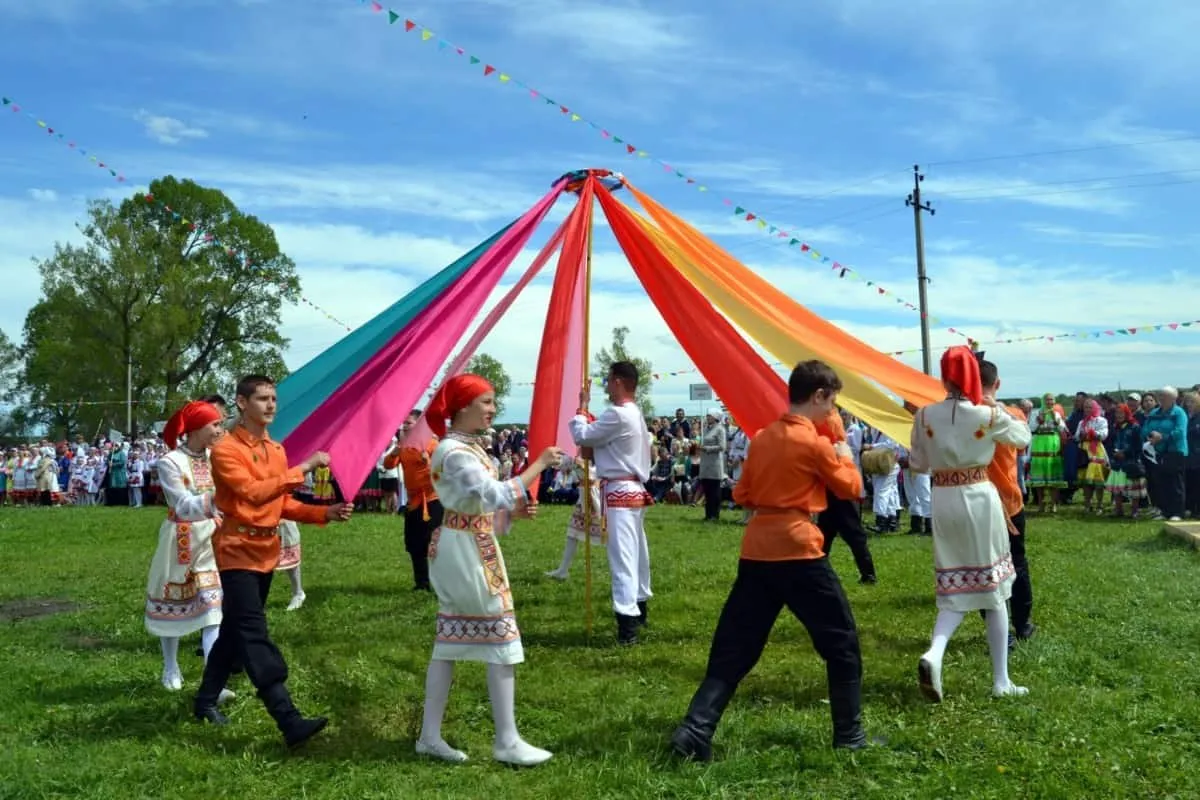
At night, bonfires were lit, medicinal herbs were gathered, and young people played and had fun until morning. Today, this celebration has changed extensively and resembles a folklore festival more.
Gerber
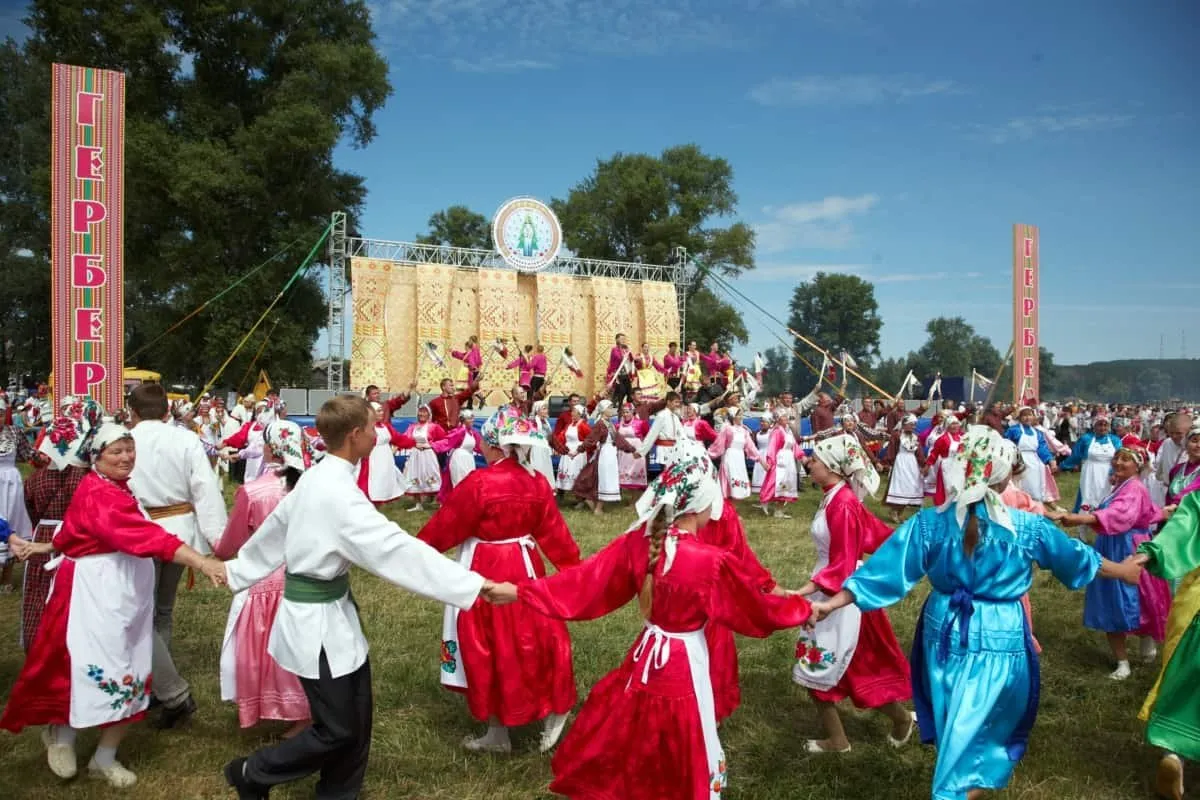
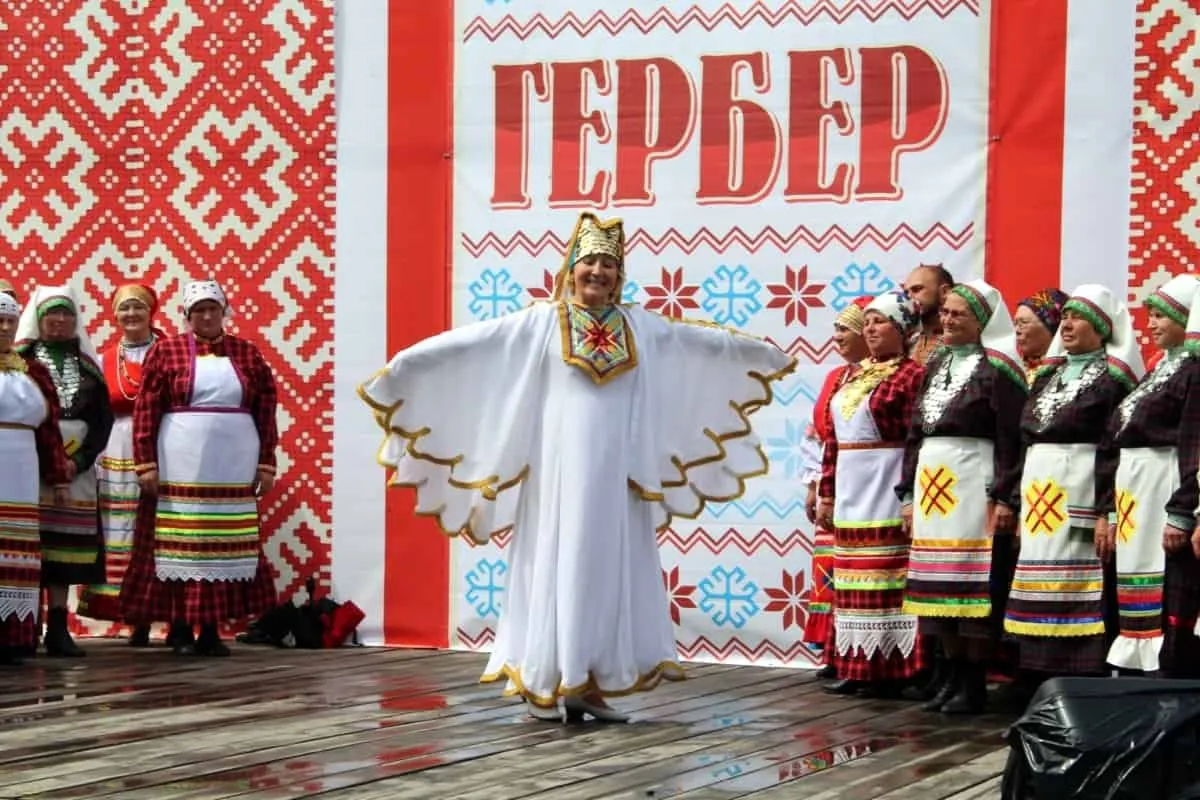
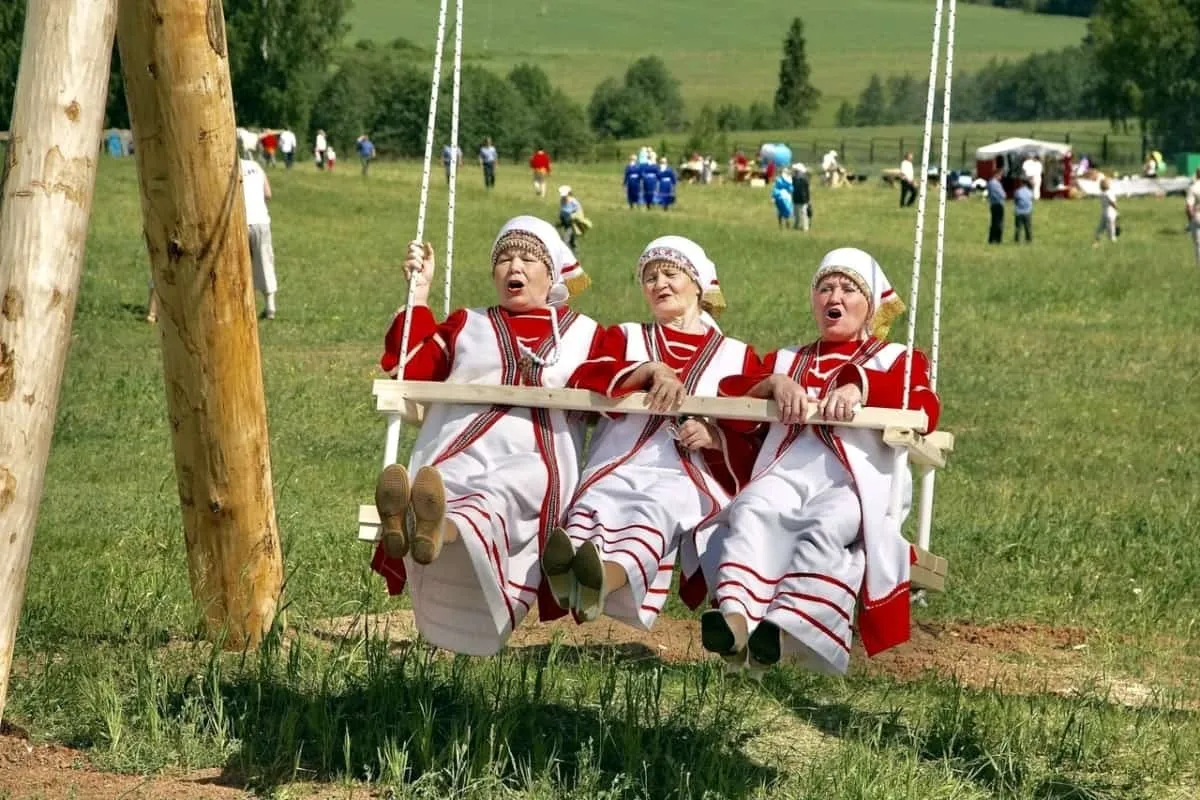
Gerber is an Udmurt national festival, another of the typical summer festivals in Russia. It became republican in 1992; previously it was celebrated in different villages under different names.
In the past, the day of the Gerber celebration depended on the weather and the timing of field work: the sowing season ended with Gerber.
Ritual mowing, throwing eggs into the first furrow, a meal in the field, cooking a special porridge, and the ritual of the “field wedding” with the participation of a girl and a young man representing the bride and groom—all this was supposed to ensure soil fertility and a good harvest.
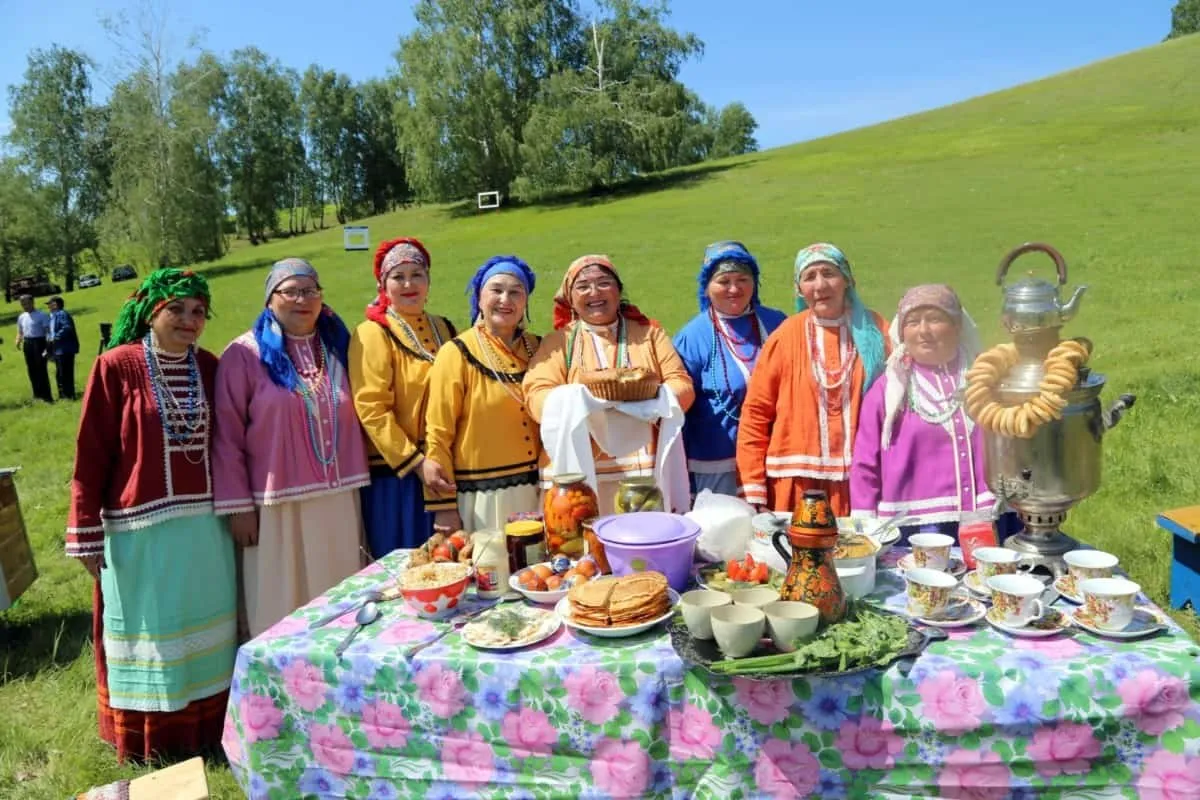
Modern Gerber is an opportunity to immerse yourself in Udmurt culture, listen to folk music, buy crafts from local artisans, and taste perepechi (cheesecakes stuffed with meat, egg, mushrooms, or vegetables) accompanied by traditional drinks: coomyshkoy and surom.
Hebdenek
The Even people, a northern folk, lived in ancient times according to the lunar calendar. The countdown of the new calendar cycle began in summer, specifically on June 22.
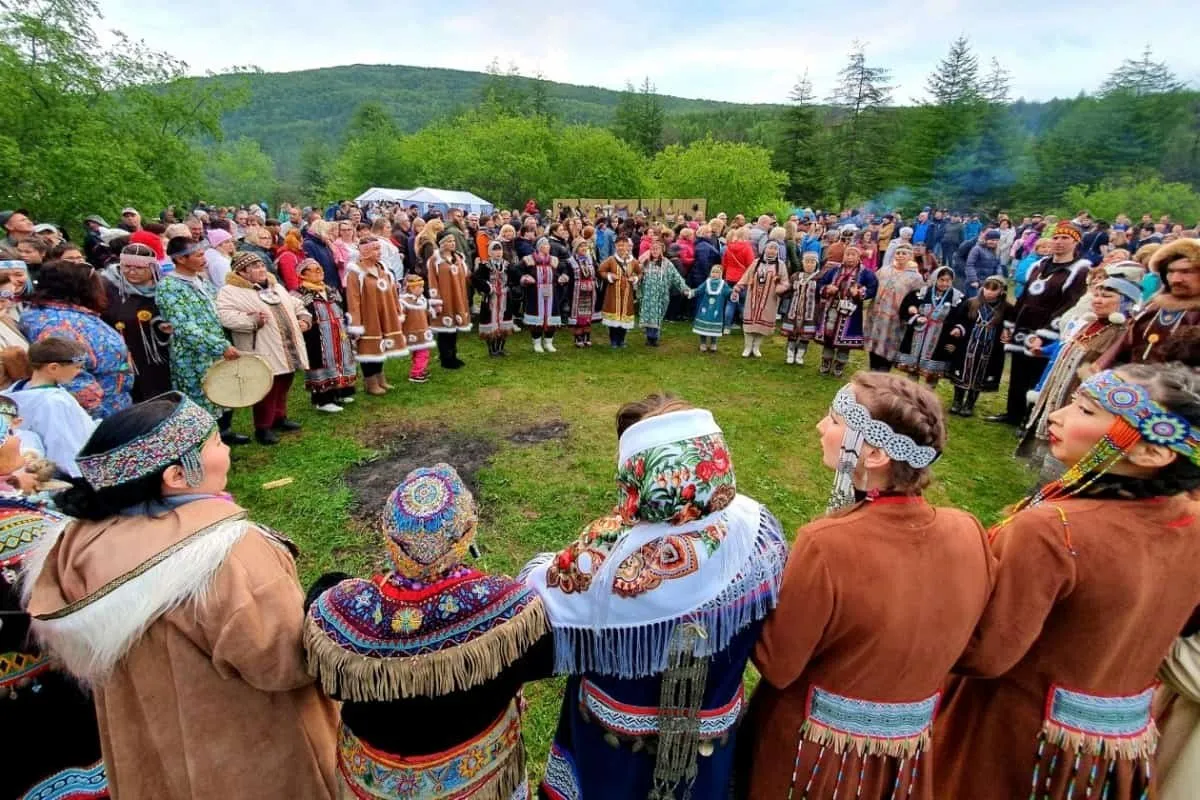
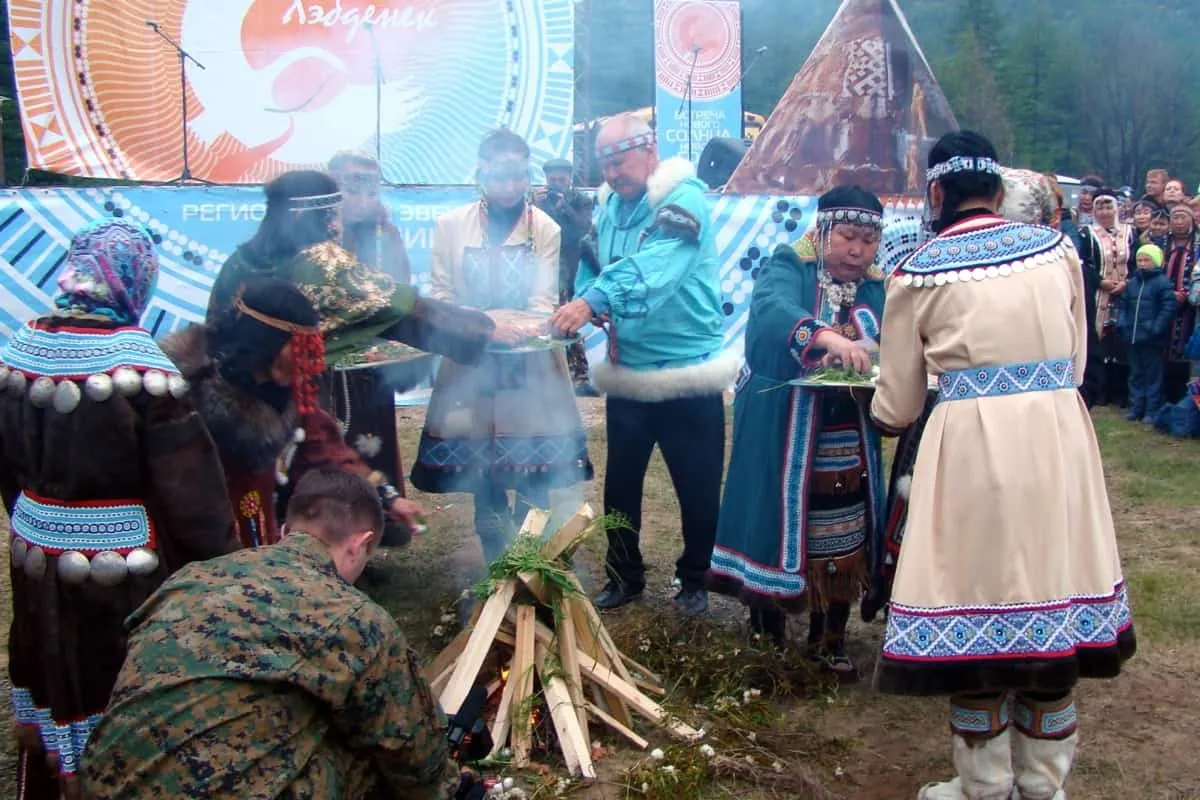
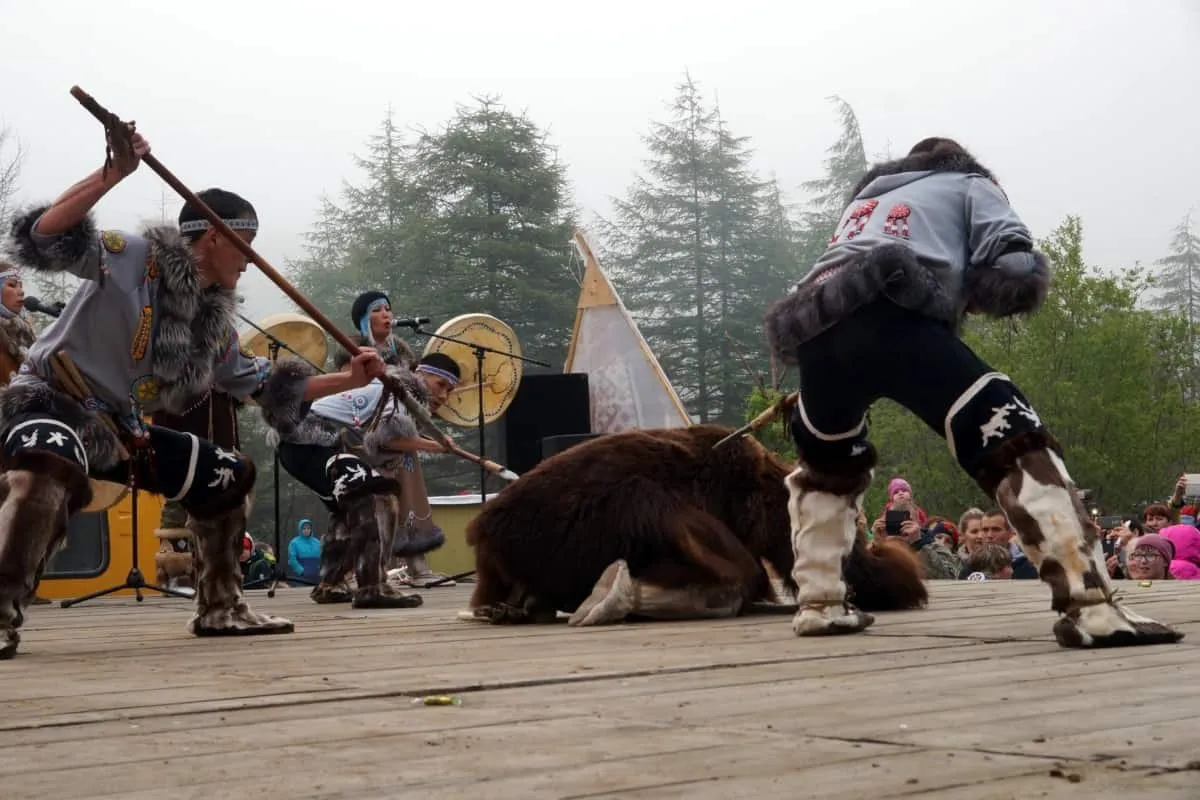
The Evenian new year is called Hebdenek, which means “fun,” and is celebrated on the day of the summer solstice. The Even people believed that at this time the gates between worlds opened and spirits heard everything people asked for.
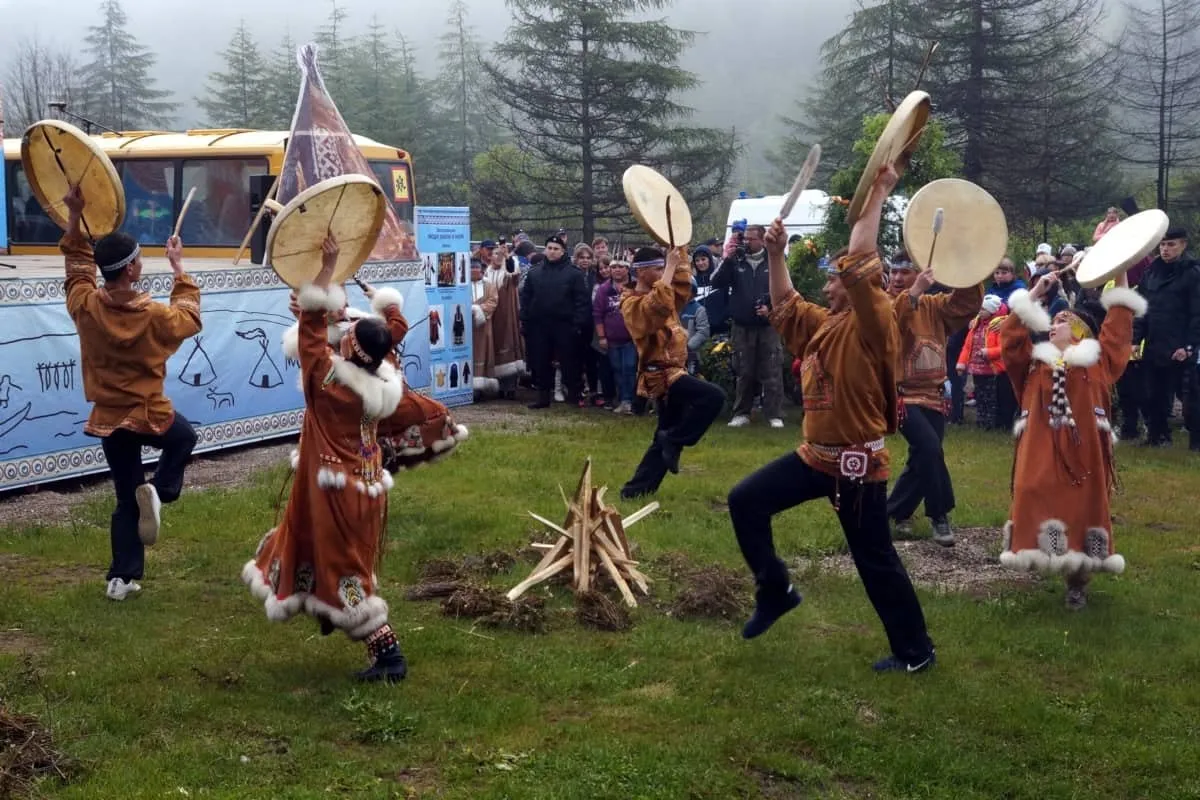
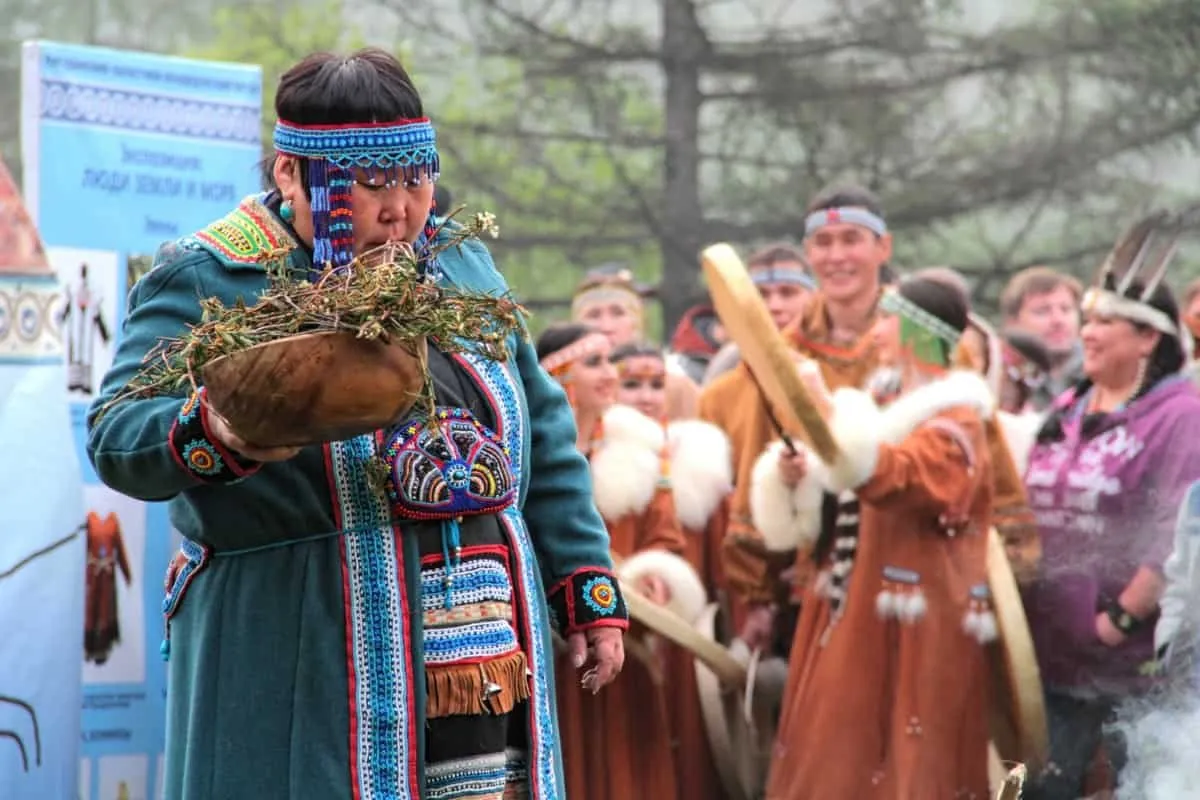
Since 1997, Hebdenek started to be celebrated in Magadan, near the mouth of the Dukcha River. As in the old days, people gather at five in the morning to see the first rays of the new sun. Elders carry out the ritual of feeding the fire and thanksgiving to the Earth.
Across different venues, they organize an exhibition of crafts from the indigenous peoples of the North, prepare Magadan ukha fish soup with Taiga herbal tea, and participate in a choir to the sound of tambourines.
One of the favorite traditions of Hebdenek, which continues today, is making wishes; to fulfill them, you must tie a ribbon to a special rope: “delburgue”.
Thun-Pairam: Another Typical Summer Festival in Russia
The festival of the first ayran, or Thun-pairam, is one of the main events in the cultural calendar of Khakassia.
Nomadic Turkic herders celebrated the day of ayran 2000 years ago. The festival is celebrated in late May and early June, when livestock is distilled from winter pastures to summer ones. This is when animals began to feed on fresh grass and plenty of milk appeared.
For the festival, ayran was prepared from the first milk, and Araka milk vodka was distilled from ayran milk. People gave sacred food to the spirits, asking for abundance.
The guardian of the livestock was considered a specially selected horse, which during the ritual was washed with milk, fumigated with incense, and set loose.
At present, the Thun-pairam festival has been celebrated since 1980. The main festival takes place in the Sagay clearing near the village of Askiz and is timed to the Day of the Republic of Khakassia, celebrated on July 3.
The ritual of offering to the spirits is still celebrated, and guests compete in horse races, archery, jumping, and wrestling.
In one of the traditional competitions, each participant must choose a stone weighing around 80 kg, squat down grasping it with their hands, stand up to full height, and throw it over their shoulder—no easy challenge.
Visiting Russia with Us
During our excursions in Russia, we visit typical local festivals in each city where we have organized activities.
If you plan to travel to Russia, do not hesitate to contact us, and we will help you perfectly plan each day you will enjoy during your trip.
Do you wish to witness the rites of the taiga shamans or immerse yourself in the joy of the Sabantuy festival with the peace of mind of a VIP service coordinated in your own language? We shield your tranquility. Contact our travel advisors directly or explore the folkloric richness by discovering our select Private Tours Catalog in Russia.