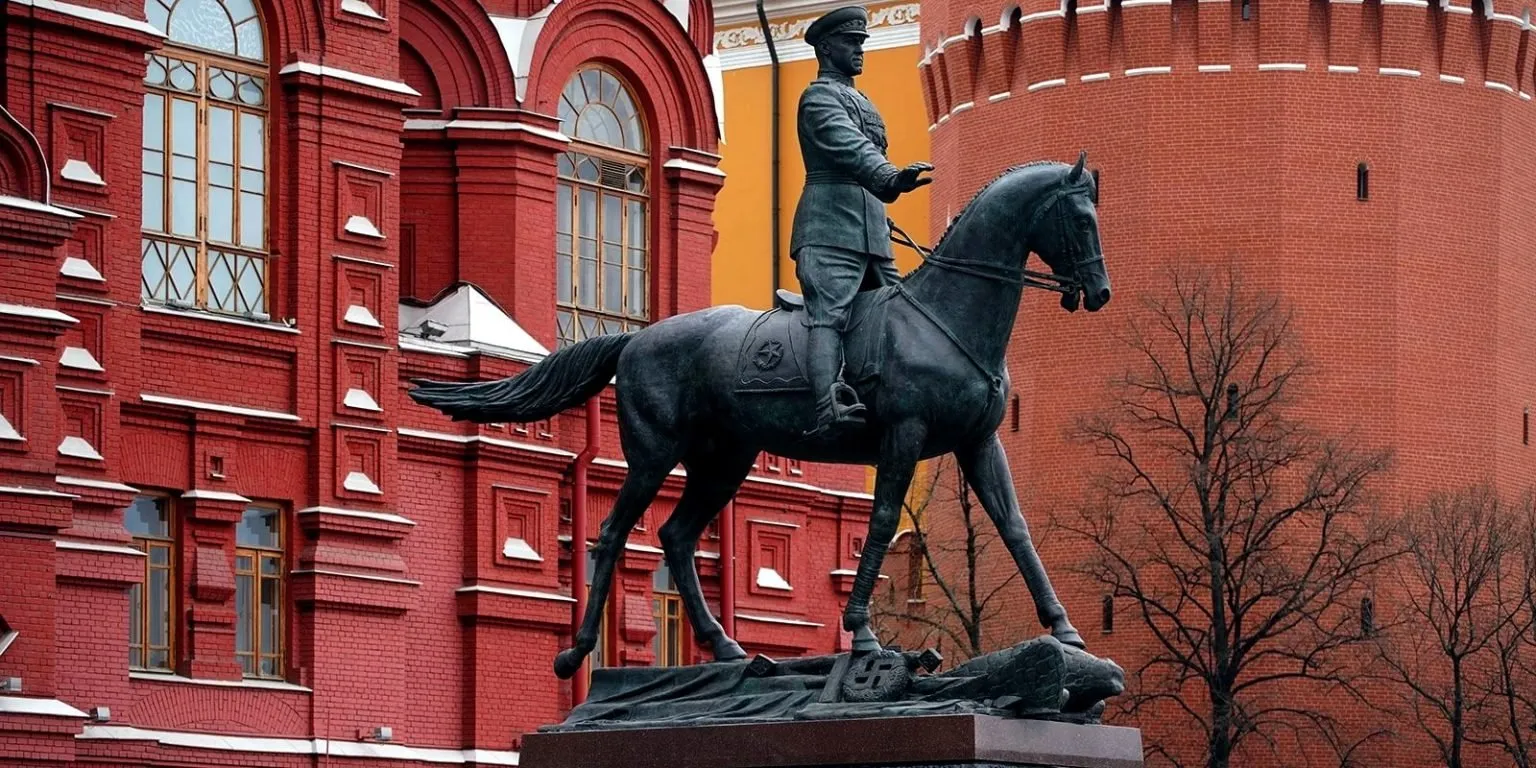
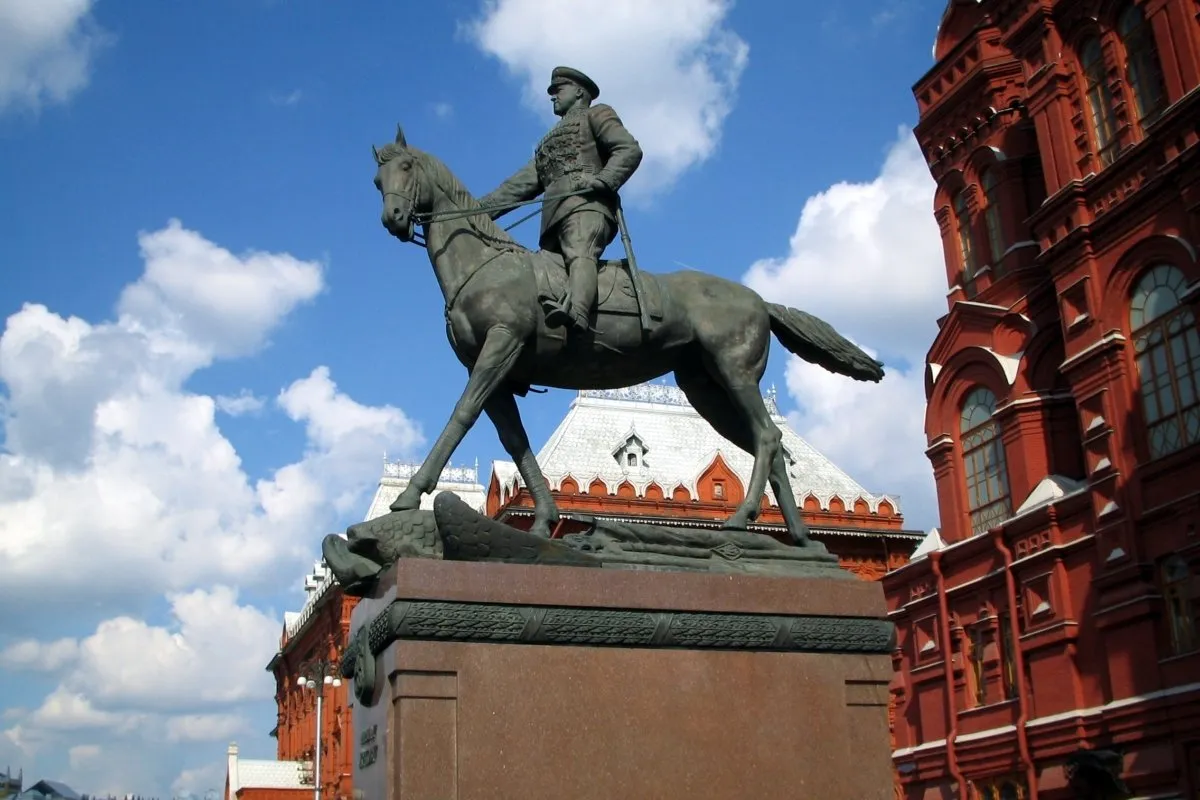
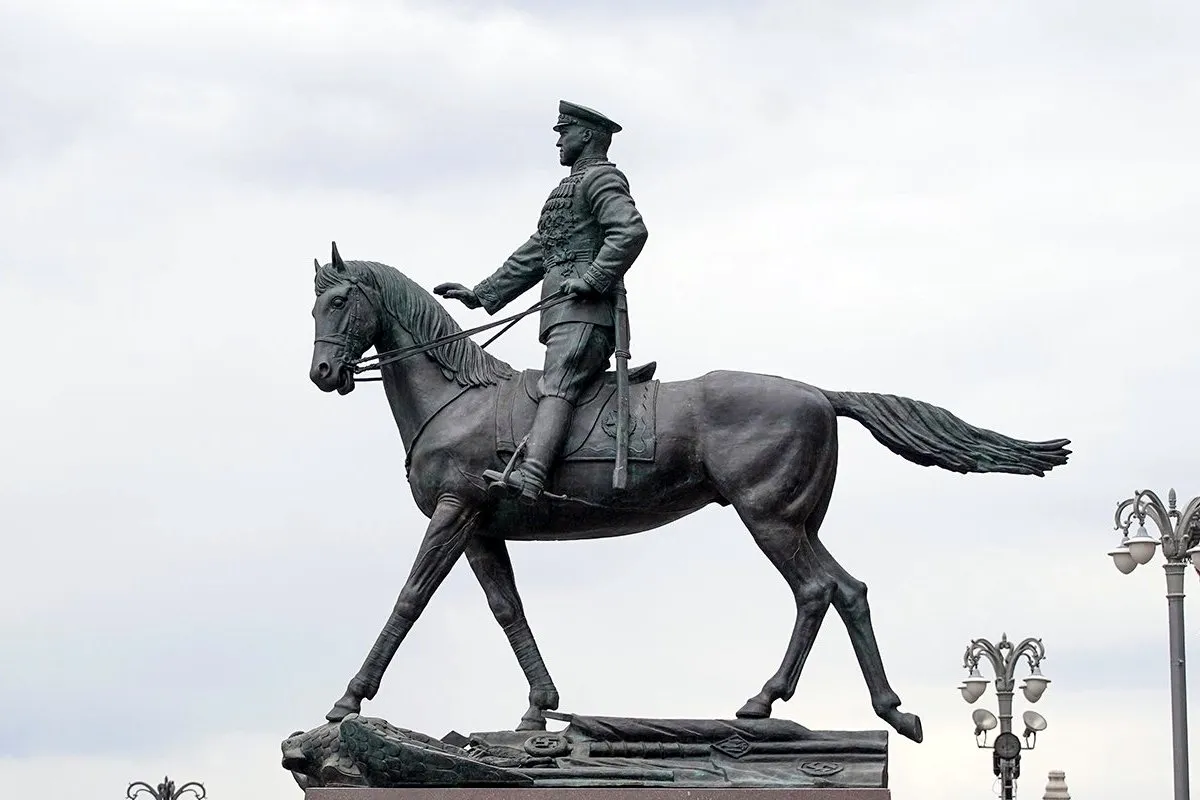
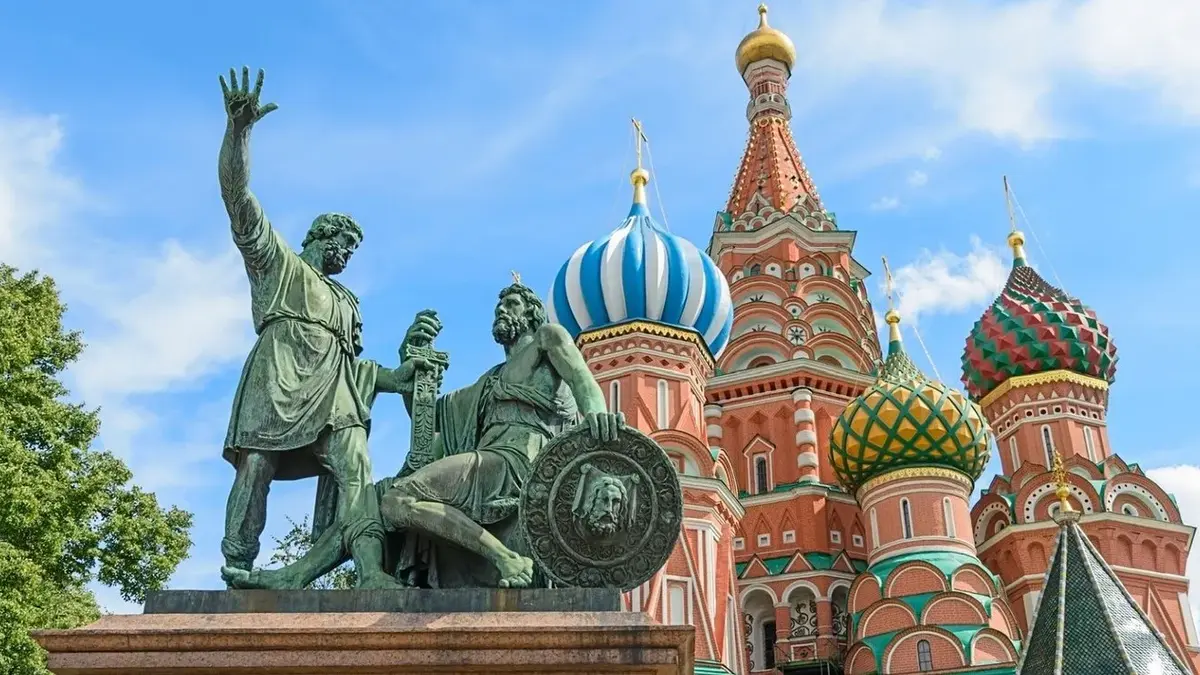
The monument to Marshal Zhukov on Manezhnaya Square stands as an equestrian sculpture of extraordinary bearing. Beyond its inestimable historical value as a testimony to the country’s military memory, its strategic geographical location has secured it a niche of honor, becoming one of the most famous, busy, and photographed monuments in all of Moscow.
The majestic bronze work was officially inaugurated on May 8, 1995. The courtly ceremony was meticulously scheduled to commemorate the celebrations of the 50th anniversary of the grand Victory of Allied troops over fascism in the Great Patriotic War.
Who Was Georgy Konstantinovich Zhukov?
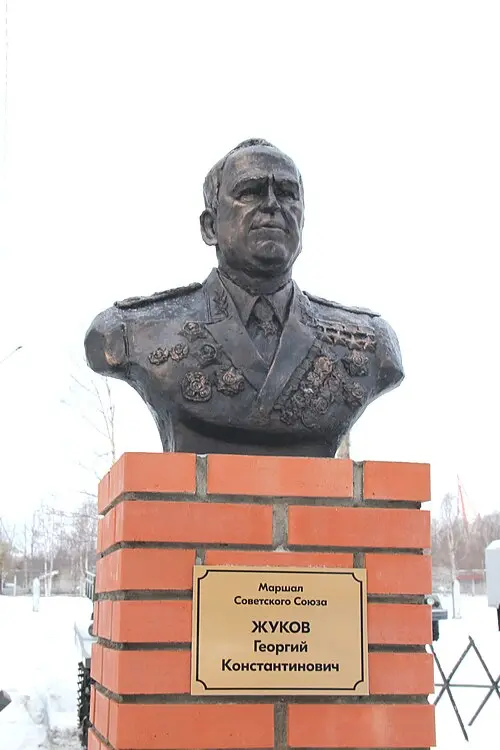
Georgy Konstantinovich Zhukov (1896 – 1974) consolidates his position in world annals as the most brilliant, laureled, and influential Soviet commander of the entire Second World War. Holding the rank of Marshal of the Soviet Union, he proudly held the title of four times Hero of the Soviet Union, possessor of two Orders of Victory—the highest military award of the Eastern bloc—and an endless list of national and foreign decorations.
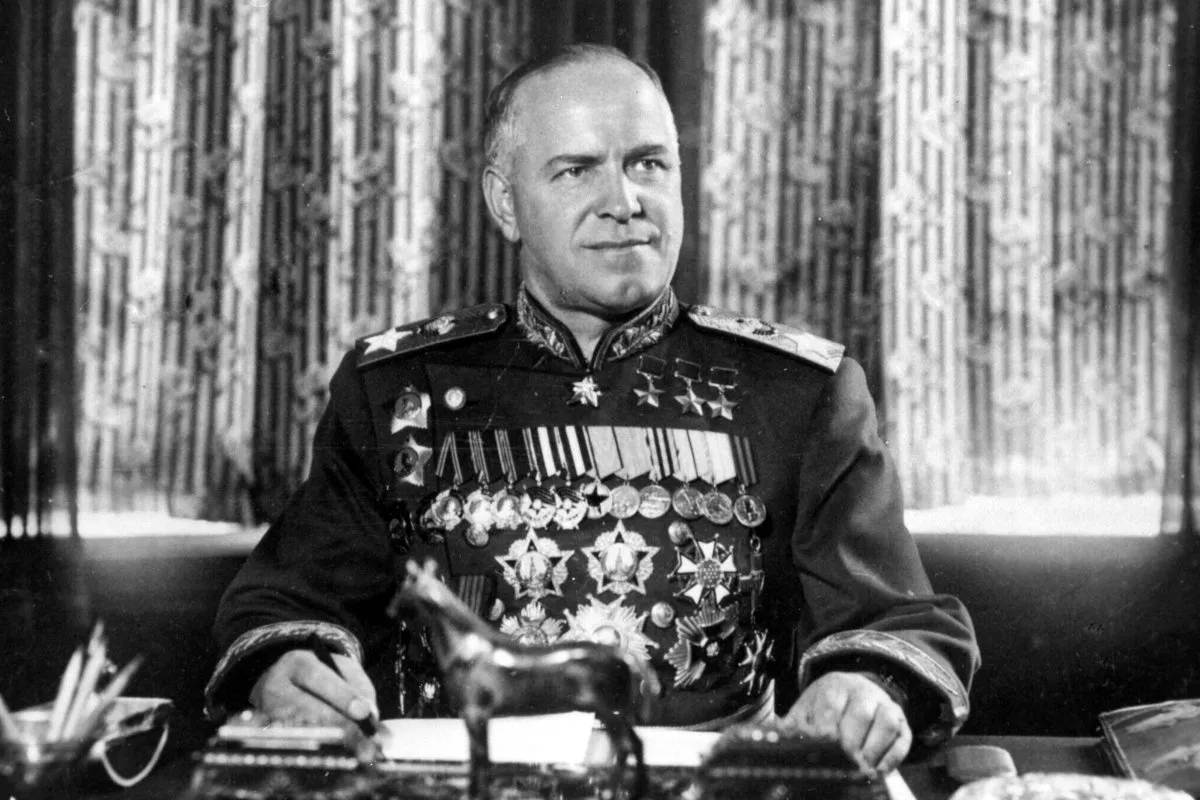
During the course of the military conflict against the Third Reich, Zhukov successively assumed positions of maximum responsibility and strategic trust for the State:
- Chief of the General Staff of the Red Army.
- Deputy Supreme Commander-in-Chief of the Armed Forces, operating as Stalin’s right hand in designing the grand strategic counteroffensives of Moscow, Stalingrad, Kursk, and the definitive capture of Berlin.
Post-War Political Purge
Once the war concluded, the marshal’s immense popularity and magnetism aroused suspicion in the political leadership. Following Stalin’s passing and Nikita Khrushchev’s arrival at the central power of the Kremlin, Zhukov fell victim to an internal purge: he was abruptly expelled from the Central Committee of the Communist Party of the Soviet Union and forced to sign his early retirement under severe ideological accusations of incurring in "political insolvency" and breaking the Leninist principles of the party in the leadership of the Armed Forces.
Whatever happened in official offices, the verdict of the Russian people was unalterable: due to his titanic services on the battlefront, Zhukov received the popular and everlasting nickname of "The Marshal of Victory", a name with which he entered world history in letters of gold.
Symbology of the Work: The Saint George of the 20th Century
The bronze sculpture reflects one of the most solemn, sacred, and triumphant moments in the commander’s life: the exact representation of the start of the historic Victory Parade of June 24, 1945, on Red Square. Mounted on the back of his majestic white horse, Kumir, the marshal stands straight on the stirrups in a gala gesture greeting his comrades-in-arms.
The design of the complex encloses a brutal symbolic and destructive weight against the enemy: the horse’s hooves fiercely trample the military standards of the defeated German divisions and the stylized Nazi double-headed eagle from the Third Reich’s coat of arms. The sculptor sought to capture the physiognomy of the strategist who, crushing the symbols of fascist oppression, led Victory back to the walls of the Moscow Kremlin.
The colossal artistic composition is seated on a rectangular pedestal of solid red granite from the Urals, with the total weight of the infrastructure reaching 100 net tons. On the allegorical plane, the work elastically and consciously evokes the mystical figure of Saint George the Victorious—the patron saint protector whose coat of arms graces the official emblem of the city of Moscow—defeating the serpent with his spear. The direct authors responsible for executing this aesthetic feat were the reputed sculptor Vyacheslav Klykov and the chief architect of the capital, Yuri Grigoriev.
The Intricate Odyssey of Its Urban Installation
A very curious and unknown passage for the usual tourist is that the plans to erect a monument to Zhukov originally sprouted in the ministerial offices of the Soviet era in the 1980s. The Ministry of Culture of the USSR even called a public competition to place the sculpture on Smolenskaya Square; however, the tensions of Perestroika relegated the idea to administrative oblivion.
Following the collapse of the Union of Soviet Socialist Republics, the government committee rescued the project in 1993. Initially, according to Vyacheslav Klykov’s guidelines, the statue was to be installed in the center of Red Square, right in front of the red brick facades of the State Historical Museum; the sculptor firmly defended that this was the only territorial sanctuary that held the mystical correspondence to house a hero of such stature.
However, this location proved legally unviable because Red Square is officially listed as a UNESCO World Heritage Site, a strict regulation that prohibits injecting modern monuments that alter its historical physiognomy. As an elastic contingency solution, the monument was installed at the other end of the Historical Museum building, fully presiding over Manezhnaya Square, seamlessly integrating into our exclusive Moscow Historical Center Tour.
Do you wish to walk through Manezhnaya Square and unveil the mysteries of the military parades on Red Square accompanied by accredited official guides in your language? We shield your vacation. Contact our travel consultants directly or explore our select Private Tours Catalog in Moscow.